


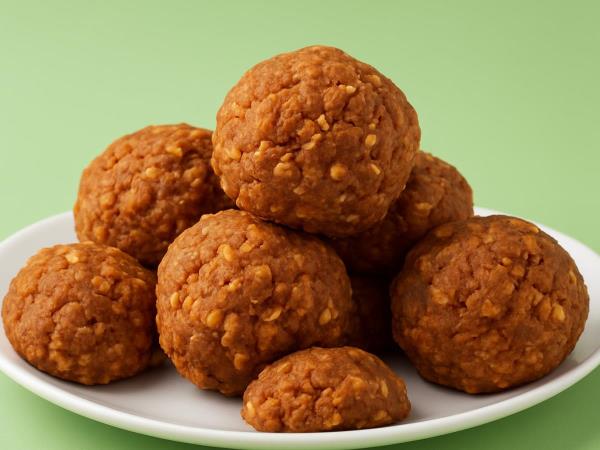


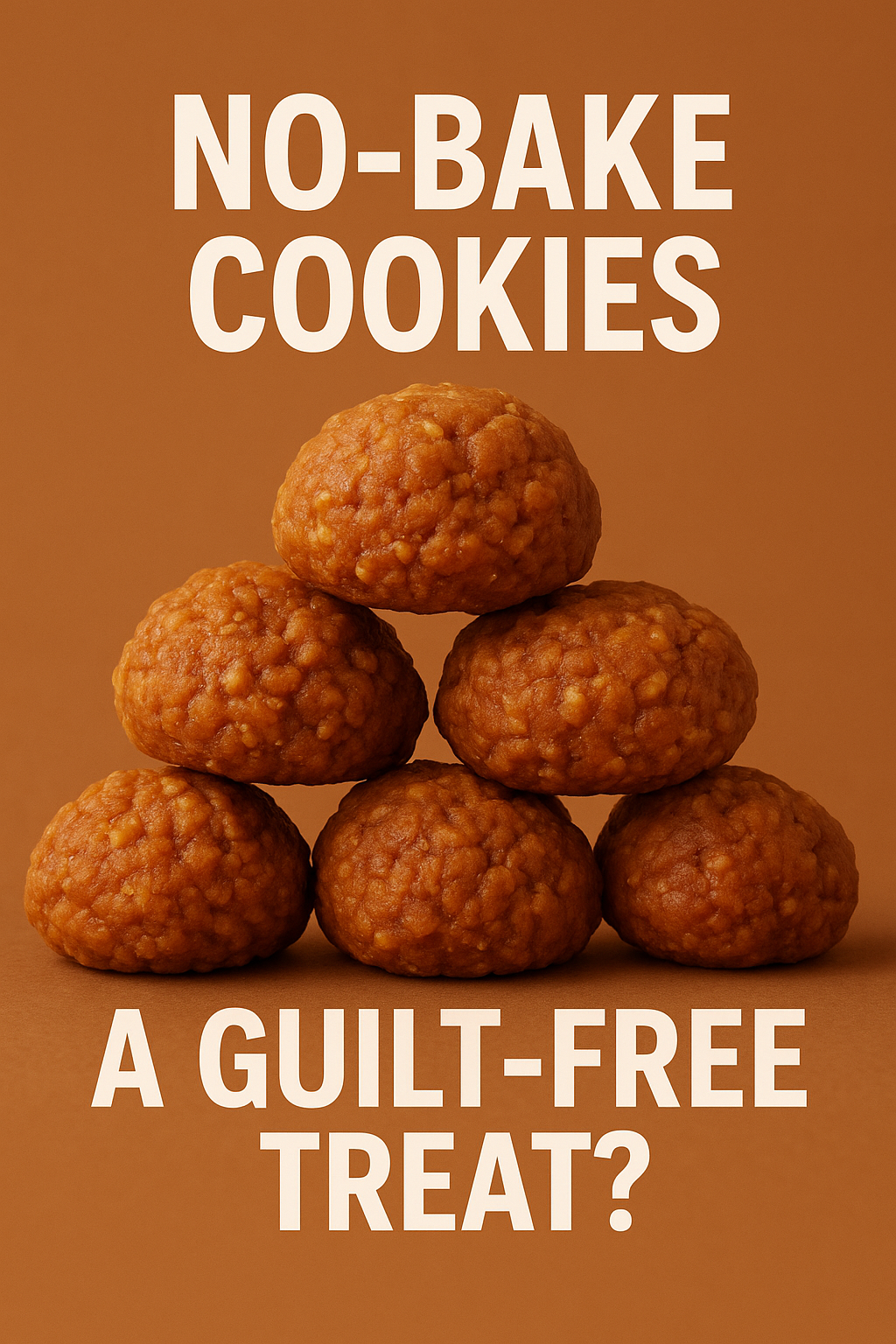

Preacher Cookies: The Irresistible No-Bake Treat You Can Make in Minutes
expert, nutritionist
Imagine a farmhouse in the Appalachian hills. A woman glances out her window and spots the local preacher making his way up the mountain path on horseback. She has maybe ten minutes. She reaches for a saucepan. Legend has it that preacher cookies got their name many years ago when it was common for preachers to visit their church members; a housewife in the mountains could look out and see the preacher riding on his horse from a good distance away, and because of the simplicity of the recipe and common household ingredients, she could have the cookies prepared by the time he arrived. The name stuck, and these cookies became an American classic.
A Cookie Born from Necessity
Food historians note that unbaked confections composed of nuts, dried fruit, seeds, and sweeteners were made by ancient Middle Eastern cooks, but "no-bake" cookies as Americans know them today surfaced in cookbooks published during the Great Depression. The history of no-bake cookies goes back to at least the 1930s, when a recipe for a version appeared in Streamlined Cooking by Irma Rombauer {-15454}€” the same author behind The Joy of Cooking {-15454}€” though her version didn't include peanut butter, relying instead on chocolate and breakfast cereal. The cookies gained their greatest popularity in the 1950s.
No-bake cookies go by many names depending on where you are. In the American South, drop cookies can be called cow patties in reference to their appearance, while in other regions they are known as mudballs, haystacks, fudgies, or preacher cookies. Other colourful aliases include Chewy Charlies, Chocolate Poodles, Top of the Range Cookies, and Tummy Ticklers. The name "preacher cookies" is still common in the Appalachians.
The recipe's journey to Europe is itself a story of culinary history. Several of its key ingredients {-15454}€” cocoa, peanuts, vanilla {-15454}€” were unknown on the continent before the age of exploration. It was only after centuries of trade and exchange that recipes like this one could even be conceived, let alone written down. And for a long time, recipes were closely guarded secrets; it was the arrival of the internet that democratised them and brought classics like this into every kitchen.
Why These Cookies Actually Work {-15454}€” No Oven Required
Technically, when you make preacher cookies, you're making something closer to candy than a baked good. Boiling together butter and sugar is a classic candy-making technique {-15454}€” the heat drives off water, concentrates the sugars, and creates a syrup that sets firm as it cools. The butter, sugar, milk, and cocoa melt into a glossy chocolate syrup; peanut butter blends in to create a thicker mixture; and finally the oats absorb the moisture and provide body. No eggs, no flour, no oven needed.
For best results, opt for natural unsweetened cocoa powder, which yields creamier cookies than Dutch-processed cocoa; and use quick oats rather than old-fashioned oats, as they soften more readily in the hot sugar mixture. Once scooped and left to firm, the resulting treats are fudgy and decadent {-15454}€” not unlike peanut butter cups in cookie form.
Oats are not just a binder here {-15454}€” they bring real nutritional substance to the treat. According to Foodwhisper's own look at smart carbohydrate choices, 7 healthy carbohydrates you can eat without worry, oatmeal is an excellent choice as it contains beta-glucan, a type of soluble fiber that helps lower cholesterol levels and regulates blood sugar, with a cup of cooked oatmeal containing about 4 grams of fiber.
The Recipe
Ingredients
- 1 cup sugar
- 3 tablespoons unsweetened cocoa powder
- {-15486}{-13411} cup butter
- {-15486}{-13411} cup milk
- 1 tablespoon vanilla extract
- {-15486}{-13411} cup peanut butter
- 2 cups rolled oats
Method
- In a medium saucepan over medium heat, combine the sugar, cocoa powder, butter, and milk. Bring to a full boil and let it boil for exactly one minute, then remove from the heat and allow to cool slightly. When the mixture comes to a full boil, stop stirring and time it for one minute {-15454}€” this is the step that determines whether your cookies set properly, so don't rush it.
- Stir in the vanilla extract, peanut butter, and oats. Mix thoroughly until the oats are completely coated and the mixture is as uniform as possible.
- Line a baking sheet with parchment paper. Drop the mixture by spoonfuls onto the lined sheet. Work quickly, as the mixture begins to set almost immediately.
- Leave the cookies at room temperature until firm. If the weather is very warm, they may need to go in the refrigerator to stay firm.
Tips, Tweaks, and Variations
Crunchy vs. smooth: Honey-roast crunchy peanut butter adds a lot of extra flavour and a pleasant texture contrast to the chewy oats. Smooth peanut butter gives a more uniform, fudgy result {-15454}€” both are delicious.
Add-ins: Chopped nuts, dried fruit, or even coconut flakes can give these cookies an extra layer of flavour and texture.
Going nut-free: You can skip the peanut butter entirely and let the chocolate shine. The result is a pure cocoa-forward cookie with a soft, fudgy centre and just enough oat texture to hold it together.
Storage: These cookies keep well in an airtight container at room temperature for several days, or in the fridge for longer {-15454}€” where they become slightly firmer and even more fudge-like.
A Treat That Tells a Story
When the preacher came calling with very little warning, these quick confections were the answer to serving up something sweet without the need for a hot oven or a larder full of fancy ingredients. The recipe was born out of necessity, but it has since passed down through generations and across kitchen tables, with each family adding their own loving twist.
Few recipes carry that kind of weight {-15454}€” a full story packed into seven humble ingredients. If you enjoy no-bake treats and want to explore more wholesome ingredient combinations, Foodwhisper's piece on How Empty Calories Deceive Our Body is worth a read alongside this one, as it puts the value of real, satisfying ingredients like oats and peanut butter into perspective.
Information on this website is for educational purposes only and is not medical advice.
expert, nutritionist
 Would you like to be informed about news on the website?















|

