



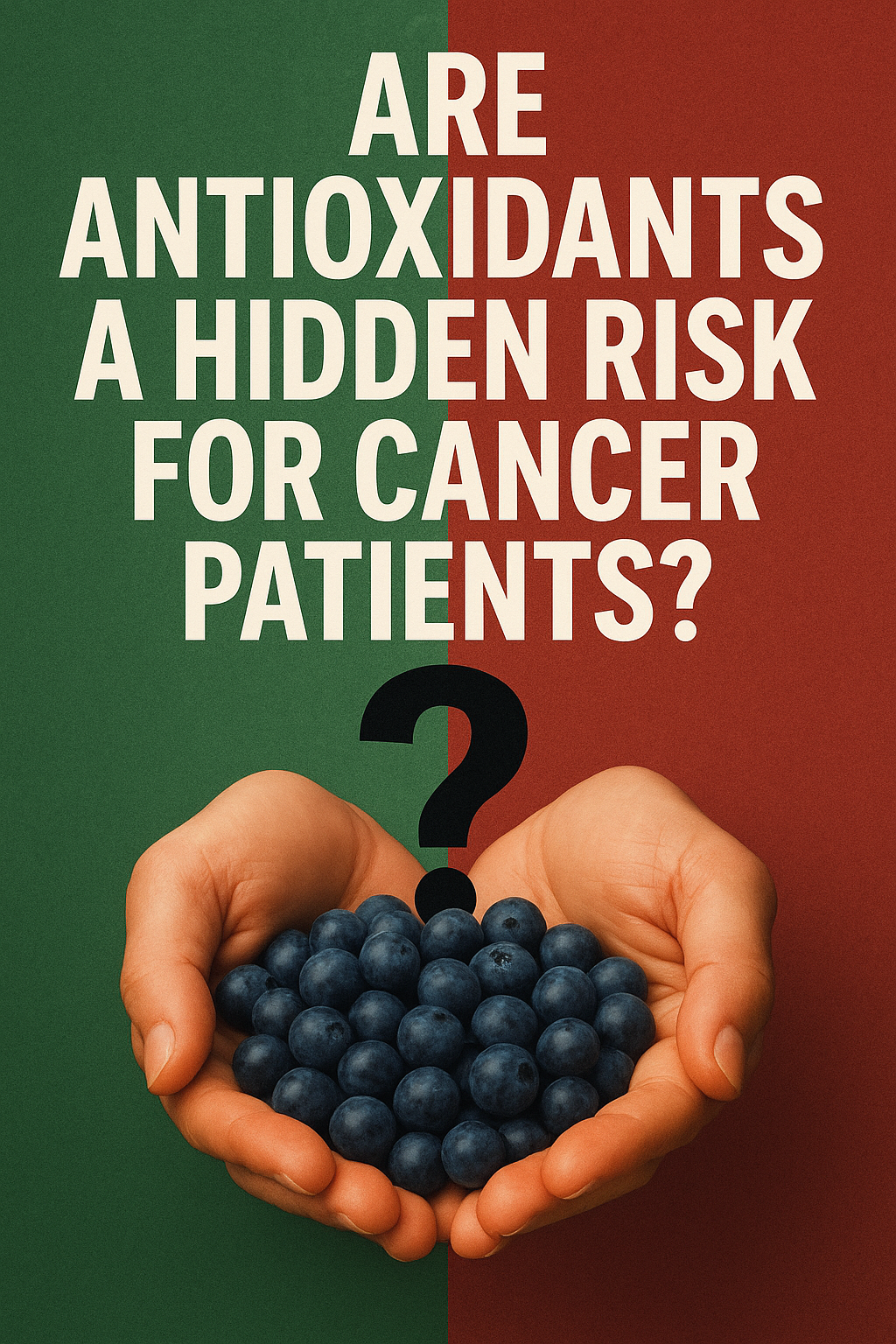


Are Antioxidants a Hidden Risk for Cancer Patients?
expert, nutritionist
We have been convinced for years that antioxidants are unambiguously good for us {-15454}€” a bright line in an otherwise confusing nutritional landscape. But what if the story is more complicated than that? Just as nutrition science has taught us to distinguish good cholesterol from bad, healthy fats from trans fats, and complex carbohydrates from simple sugars, there may be a meaningful difference between antioxidants that protect a healthy body and antioxidants that inadvertently protect cancer cells.
The Study That Changed the Conversation
A team of scientists at the Children's Medical Center Research Institute at UT Southwestern (CRI) made a discovery suggesting that cancer cells benefit more from antioxidants than normal cells do, raising concerns about the use of dietary antioxidants by patients with cancer. The study was led by Dr. Sean Morrison, CRI Director and Mary McDermott Cook Chair in Pediatric Genetics at UT Southwestern. Published in Nature in 2015 (DOI: 10.1038/nature15726), it showed that antioxidants promoted distant metastasis in the mice used in the experiments, and that oxidative stress actually limits distant metastasis by melanoma cells in vivo.
The studies were conducted in specialised mice that had been transplanted with melanoma cells from human patients. Dr. Morrison explained: "We discovered that metastasizing melanoma cells experience very high levels of oxidative stress, which leads to the death of most metastasizing cells." In other words, that oxidative stress {-15454}€” the very thing antioxidants are designed to suppress {-15454}€” was quietly doing the body a favour by killing off cells trying to spread to new locations.
As Morrison put it: "Administration of antioxidants to the mice allowed more of the metastasizing melanoma cells to survive, increasing metastatic disease burden." The rare melanoma cells that do successfully metastasize undergo metabolic changes that increase their capacity to withstand this stress. Giving them antioxidants removes an obstacle that nature had placed in their path.
Important Caveats: This Was Animal Research
It is important to be clear about what this study was and was not. While the study's results have not yet been tested in people, they raise the possibility that cancer should be treated with pro-oxidants and that cancer patients should not supplement their diet with large doses of antioxidants. Animal studies do not automatically translate to human outcomes, and no causal conclusions can be drawn about antioxidant supplements causing cancer to spread in humans based on this research alone.
But the Clinical Evidence Echoes the Warning
What makes Morrison's work especially significant is that it offers a potential explanation for troubling patterns already observed in human clinical trials. Dr. Morrison noted: "The idea that antioxidants are good for you has been so strong that there have been clinical trials done in which cancer patients were administered antioxidants. Some of those trials had to be stopped because the patients getting the antioxidants were dying faster. Our data suggest the reason for this: cancer cells benefit more from antioxidants than normal cells do."
The Alpha-Tocopherol, Beta-Carotene Cancer Prevention Study (ATBC) was stopped early after male smokers who received antioxidant supplements showed a significantly higher incidence of lung cancer compared to the placebo group. Similarly, the Beta-Carotene and Retinol Efficacy Trial (CARET) and the Selenium and Vitamin E Cancer Prevention Trial (SELECT) were stopped prematurely because participants receiving antioxidants had higher rates of lung and prostate cancer, respectively. A detailed summary of these trials is available from the National Cancer Institute's antioxidants and cancer prevention fact sheet.
Based on these large trials, there was no significant benefit for cancer prevention, and in two trials where there was actual harm, early termination was required.
The Berries in the Study {-15454}€” Context Matters
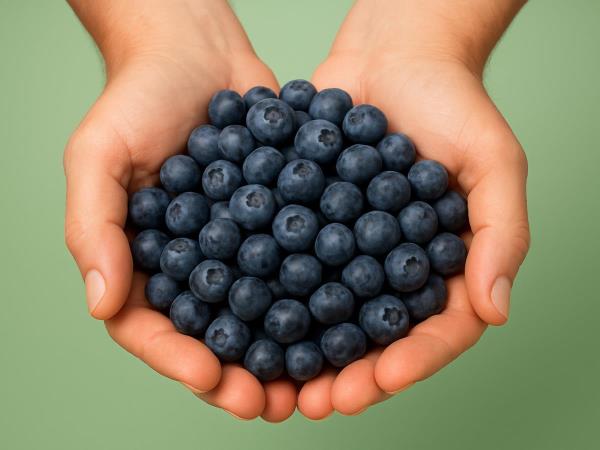
The antioxidants used in the UT Southwestern mouse experiments were the kind most commonly found in everyday foods {-15454}€” specifically those abundant in blueberries and raspberries. This is worth noting because those very foods enjoy a strong and largely well-deserved reputation for health benefits in people without cancer. Blueberries are rich in polyphenols {-15454}€” plant compounds with antioxidant properties that help protect cells from everyday oxidative damage. Blueberries consistently rank among the highest-antioxidant fruits tested, largely thanks to their anthocyanins {-15454}€” the pigments that give them their colour. Early research from the USDA Agricultural Research Service found that antioxidant-rich extracts, including blueberry, protected brain cell function in animal studies. That said, most of the strongest evidence still comes from animal and lab studies rather than large human trials.
The key point is not that blueberries or raspberries are dangerous {-15454}€” they almost certainly are not, for most people. The issue Morrison's research raises is specifically about supplementing with concentrated antioxidant doses when cancer is already present, not about eating berries as part of a normal diet.
What the Research Suggests Going Forward
Morrison's finding opens up the possibility that when treating cancer, it may be worth testing whether increasing oxidative stress through pro-oxidants could prevent metastasis. One potential approach is to target the folate pathway that melanoma cells use to survive oxidative stress, which would increase oxidative stress levels in the cancer cells.
Morrison also warned against cancer patients adding antioxidants to their diets even before more research confirms the findings of his and other studies. This is a nuanced position: antioxidants remain valuable for general health in people without cancer, but their use in oncology settings deserves much more careful scrutiny than it has historically received.
The Bigger Picture
Nutrition science rarely delivers clean, universal answers. The same compound can support health in one context and complicate it in another. Antioxidants appear to follow this pattern. For healthy cells under everyday oxidative pressure, they perform a protective role. For cancer cells trying to spread through the bloodstream, they may provide a survival advantage those cells would not otherwise have.
If you or someone close to you is managing a cancer diagnosis, the most important step is an open conversation with an oncologist before making any changes to supplements or diet {-15454}€” including high-dose antioxidant products that are widely marketed as beneficial. The science here is still evolving, but the signals from both animal studies and prematurely halted human trials are consistent enough to take seriously.
For further reading on how everyday foods interact with antioxidants and health, see also Blueberries: The Humble Forest Berry Science Keeps Circling Back To and 10 Foods Nutritionists Swear By on Foodwhisper.
Information on this website is for educational purposes only and is not medical advice.
expert, nutritionist
 Would you like to be informed about news on the website?












|

