





The Pantry's Quiet Threat: Why Canned Food Is Less Innocent Than It Looks
expert, nutritionist
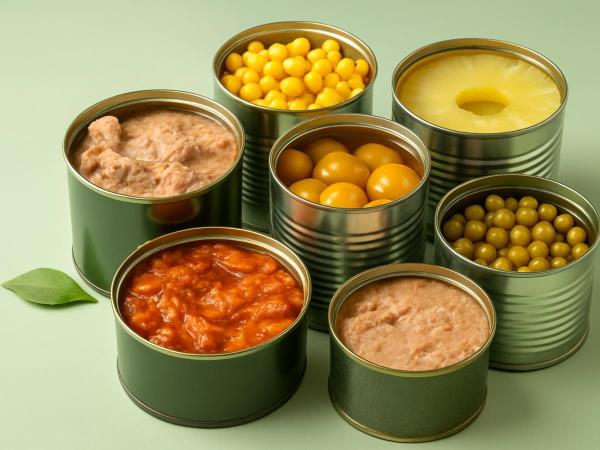
Picture this: you open the cupboard on a busy weeknight, grab a tin, and dinner is basically done. It feels harmless - practical, even frugal. But a single serving of canned soup or pate can contain anywhere from 700 to 1,200 mg of sodium, and the World Health Organization recommends no more than 2,000 mg per day for the average adult. That means one tin can quietly eat through more than half your daily limit before you've even thought about breakfast.
Canned food didn't start as a health concern - it started as a survival tool. And the numbers show it never really went away: global canned-food sales surged dramatically from 2020 onward as people around the world stocked pantries for the long haul. The habit stuck well past the pandemic, with many households continuing to lean on tins for their convenience and shelf life.
What's Actually in That Can?
Why Can't You Stop Eating? It Might Not Be Willpower - It Might Be Your Food makes the point well: most people dramatically underestimate how much sodium they consume from processed and packaged foods. Most major health bodies, including the World Health Organization, recommend keeping salt intake under 5 grams a day - roughly a teaspoon - while global average intake runs close to double that. A large international analysis published in the New England Journal of Medicine estimated that excess sodium consumption is associated with around 1.65 million cardiovascular-related deaths worldwide each year, mainly linked to its effect on blood pressure.
According to Health Canada, most of the sodium we eat comes from processed foods like deli meats, pizza, sauces, and soups. Packaged and ready-to-eat foods, fast foods, and restaurant meals are also often high in sodium. Canned goods are among the biggest contributors - and high intake of sodium is associated with increased risk of cardiovascular disease and stroke.
Sodium isn't the only concern. Food preservatives are often added to canned and processed foods to prolong their shelf life and help sustain quality, taste, color, and food texture. However, excessive usage of such food preservatives can lead to various diseases and health issues including palpitations, allergies, and cancer.
The Three Additives Worth Knowing by Name
E250 - Sodium Nitrite
Sodium nitrite (E250) is widely used as a preservative, color stabilizer, and flavor enhancer, particularly in processed meat products such as sausages, ham, and bacon. A 2021 mouse study published in Microorganisms examined the effect of common food preservatives - including sodium nitrite - on gut microbiota diversity and composition. The study found that diet is one of the most important factors regulating gut microbiome composition, and that the specific effects of commonly used antimicrobial food preservatives are not completely understood. It examined benzoic acid, potassium sorbate, and sodium nitrite in a mouse model. It is important to note that this was an animal study - results may not translate directly to humans. Sodium nitrite has been reported to disrupt the gut microbiota and may exert carcinogenic effects via N-nitroso compounds, though more human research is needed.
E211 - Sodium Benzoate
This common preservative helps prevent the growth of bacteria, yeast, and mould in acidic canned products. It has been associated with allergic reactions in sensitive individuals, and some studies have explored its broader effects on gut bacteria - though the evidence in humans remains preliminary.
E621 - Monosodium Glutamate (MSG)
A flavour enhancer frequently found in canned soups, broths, and savoury products. Some people report headaches and flushing after consuming MSG, though large-scale clinical research has not conclusively confirmed a causal link. If you notice a pattern, it is worth checking labels.
As the Foodwhisper article Health: 5 Foods That Shorten Your Lifespan notes, processed meats contain numerous preservatives, nitrates, and high amounts of sodium, and consuming too much sodium leads to high blood pressure, which increases the risk of heart disease and stroke.
What the Research Says - and What It Doesn't
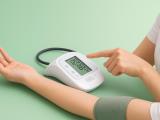
The relationship between dietary sodium and blood pressure is now well established. A 2022 systematic review published in Hypertension Research confirmed that high sodium intake was found to be associated with increased blood pressure, and decreasing dietary sodium intake can effectively reduce blood pressure, especially among hypertensive individuals, though the extent of reduction remains debatable. A 2022 international joint statement from the World Hypertension League, published in Journal of Human Hypertension, noted that approximately 30% of hypertension prevalence can be attributed to high dietary sodium, which could result in hypertension in 400 to 500 million people worldwide.
It is worth being careful with the specific "23%" figure sometimes cited for sodium and hypertension risk - the studies behind it vary in design and population, and the effect of sodium on blood pressure is not identical for everyone. What the evidence does clearly support is that chronically high sodium intake raises cardiovascular risk over time.
On the gut front, today we know that the gut microbiome - that internal garden made up of about 100 trillion microorganisms - strongly affects our health. As explored in Legumes Against High Blood Sugar and Fats, a healthy gut microbiota is associated with better digestion, a stronger immune system, and even better mood. When regularly disrupted by preservatives, the balance of that community can shift in ways that show up as digestive discomfort, skin problems, and low-grade fatigue - though the degree to which food additives at typical consumption levels affect the human gut remains an active area of research.
How the Body Signals the Strain
The body rarely shouts. It whispers first. When canned and heavily processed foods become a daily staple, the signals that something is off tend to be easy to dismiss:
- Bloating after meals - this can occur due to excessive sodium and sugar intake.
- Dry or irritated skin - sodium causes fatigue, emotional tension, puffy eyes, dry skin, and may accelerate the aging process.
- A heart that seems to race or flutter after salty meals
- Sluggish digestion or persistent heartburn
- Broken or restless sleep
None of these symptoms are proof that canned food is the cause - many things contribute. But if they recur after meals heavy in processed or canned ingredients, your diet is a sensible place to start looking.
Smarter Choices, Not an Outright Ban
The goal is not to swear off cans for life. It's to use them more deliberately. Why Can't You Stop Eating? It Might Not Be Willpower - It Might Be Your Food offers a simple and effective tip: if you're trying to eat a bit lighter on salt, easy swaps include leaning on citrus, garlic, and fresh herbs, and rinsing canned foods like beans or vegetables before cooking with them. That last step alone can remove a meaningful portion of the sodium added during the canning process.
Instead of reaching for ready-made canned tuna, consider a quick spread made from canned tuna (choose the kind packed in water, with minimal additives) and ripe avocado. As covered in Forget the French Salad: This Avocado and Salmon Bowl Might Just Steal Your Heart (and Your Taste Buds), a number of clinical studies have looked at how replacing some saturated fats with avocado affects cholesterol markers, and several - including a study published in the Journal of the American Heart Association - found favorable changes in LDL ("bad") cholesterol among participants who added avocado to a moderate-fat diet. Bear in mind, however, that canned tuna also contains a significant amount of salt - around 30% of the daily salt requirement per serving, so look for a low-sodium version if it's going to be a regular fixture.
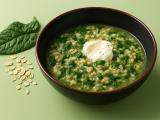
Another practical habit: cook a larger pot of homemade vegetable soup once a week and freeze it in individual portions. The investment is about twenty minutes of active time, and the payoff is a stack of ready meals with no hidden additives, no guessing at labels, and a flavour that no tin has ever genuinely matched.
What to Look for on the Label
When canned food is unavoidable - or simply the best option on a given day - these label terms are worth seeking out:
- No added salt or low sodium
- No nitrites or nitrite-free
- No preservatives
- No MSG
- Natural ingredients
As highlighted in 6 Foods You Shouldn't Eat After Turning 40, the problem with many packaged soups and canned products is precisely the large amount of sodium, phosphorus, and salt, which can deplete calcium from the bones, increasing the risk of osteoporosis, followed by high blood pressure and heart problems. These effects are cumulative - they don't announce themselves overnight.
The Tin Remembers Every Meal You Don't
Canned food will always have a place in the kitchen - for emergencies, for speed, for the occasional shortcut on a long day. But the distinction worth making is between using cans as an occasional solution and letting them quietly become the foundation of your diet. Inflammation, persistent tiredness, skin flare-ups, and digestive sluggishness don't usually trace back to a single dramatic meal. They build, quietly and gradually, from the small packaging you open every day.
Keep the tin opener in the drawer. Just make sure it's a guest, not the household chef.
Information on this website is for educational purposes only and is not medical advice.
expert, nutritionist
 Would you like to be informed about news on the website?










|

