




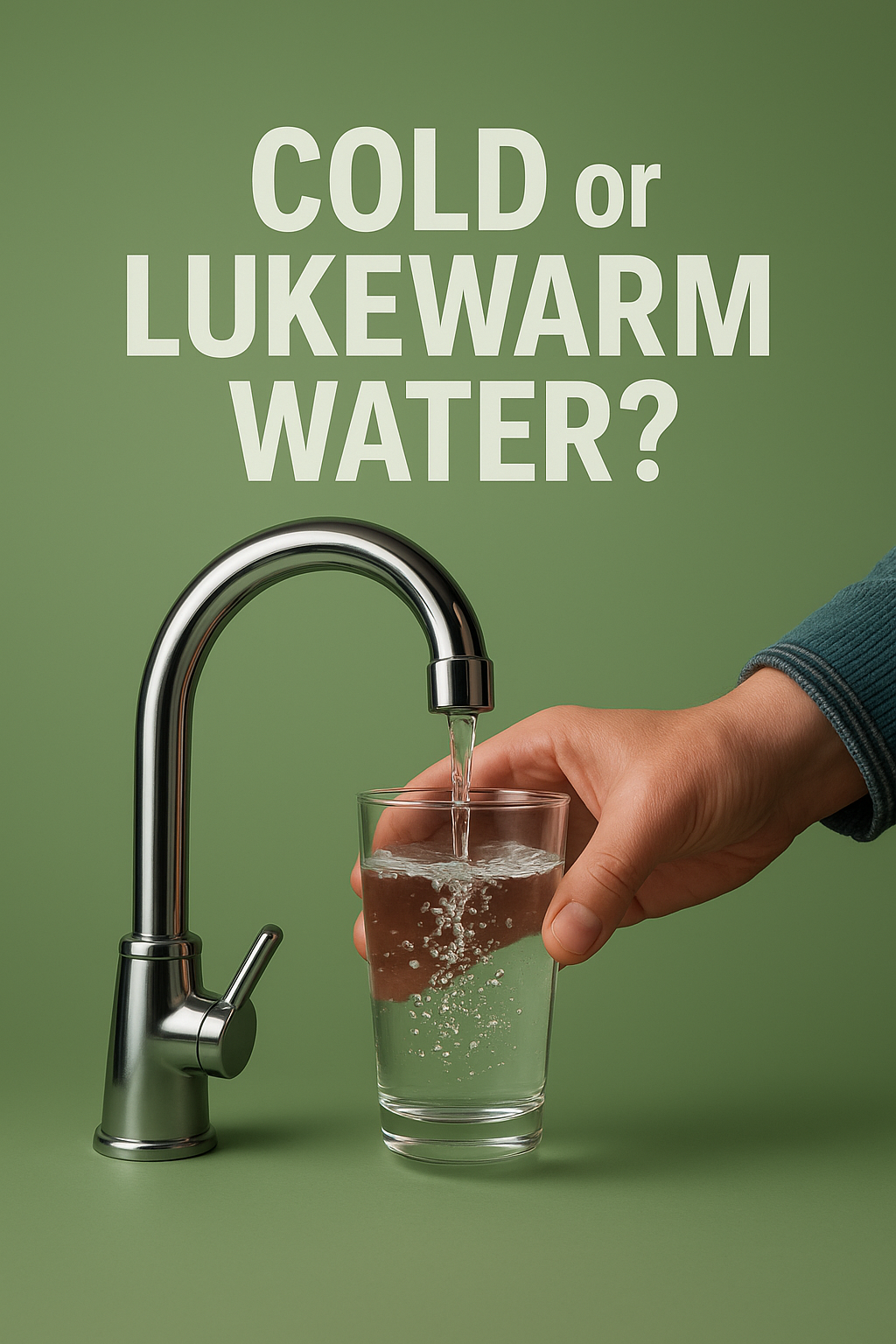


Cold or Lukewarm Water: When to Drink Which, and Why It Matters
expert, nutritionist
You probably think about what you drink, but how often do you think about the temperature of it? An ice-cold glass straight from the fridge and a mug of warm water may contain exactly the same thing, yet many people swear they feel completely different after each one. Some reach for ice water to "burn calories," others start every morning with a warm cup to "wake up the gut." Science has studied both habits, and the answers are more interesting (and more down-to-earth) than the myths.
One of the best-known fans of the warm morning glass is actress Jennifer Aniston. She has repeatedly said in interviews that the first thing she does after waking up is drink warm water with lemon, before breakfast and before coffee. In a 2022 interview with First For Women, reported by Woman & Home, she described warm lemon water as the start of a routine that continues with a protein-rich breakfast, exercise and meditation. She has never presented it as a cure for anything; for her, it is simply a calm, hydrating ritual that sets the tone for the day. And that is a good way to look at water temperature in general: it is not a medicine, but it can make healthy habits easier and more pleasant.
Readers who tried the "warm glass first" habit often report something similar. One reader told us she had never managed to drink enough during the day until she switched her morning coffee for a large mug of warm water: "Cold water in the morning made me shiver, so I simply didn't drink it. The warm cup felt like a small treat, and suddenly I was drinking twice as much." Another reader, a keen amateur runner, found the opposite: during summer training, only cool water tasted good enough to keep sipping. Both are right, and research helps explain why.
Exercise
The more physically active we are, the higher our body temperature rises, and the body tries to cool itself by sweating. For a long time, it was believed that very cold water "confuses" the body during exercise, because it would have to warm the icy fluid in the stomach while at the same time cooling the whole organism. That is why water at room temperature has traditionally been recommended during physical activity.
Newer research paints a somewhat different picture. A systematic review by Burdon and colleagues, published in the International Journal of Sport Nutrition and Exercise Metabolism (2012), found that people drank roughly 50% more when beverages were cool (below about 22 {-15696}C / 72 {-15696}F) than when they were warmer, and that this was linked to less dehydration during exercise. The same research group also reported in the Journal of Sports Sciences (2010) that cold drinks during long exercise in hot, humid conditions were associated with better body-temperature measures and performance. A 2012 study in the Journal of the International Society of Sports Nutrition similarly found that cold water helped delay the rise in core temperature during a workout.
The practical takeaway: during exercise, the best water is the water you will actually drink. For most people that is cool water, pleasant but not painfully icy. If very cold drinks make your stomach uncomfortable, room-temperature water is a perfectly good choice. Sip regularly rather than gulping a large amount at once.
Fever
When we have a fever, the body raises its temperature as part of the immune response to an infection. Neither ice-cold nor very hot water will "chase away" bacteria or viruses, but staying well hydrated is one of the most important things you can do, because a raised temperature and sweating increase fluid losses. The NHS advises adults with a high temperature to rest and drink plenty of fluids (water is best), enough to keep urine light yellow and clear. Ireland's Health Service Executive (HSE) suggests drinking little and often, aiming for around 2 to 3 litres over 24 hours while the fever lasts.
Many people find that lukewarm drinks, close to body temperature (about 36 {-15696}C / 97 {-15696}F), are the most comfortable during a fever, especially when they feel shivery. Since we sweat more with a fever, you can add a little lemon juice and a small pinch of salt to the water. This traditional home drink can make water more appealing and add a touch of the minerals lost through sweat. If you have been advised to limit salt, if the fever is very high, lasts more than a few days or comes with worrying symptoms, contact your doctor.
Weight Loss
You have probably heard that cold water "speeds up metabolism" because the body has to burn calories to warm it up. There is a grain of truth here, but the effect is much smaller than many articles suggest.
A widely quoted 2003 study by Boschmann and colleagues in the Journal of Clinical Endocrinology & Metabolism reported that drinking half a litre of water raised metabolic rate by around 30% for a short time. However, later research could not confirm such a large effect. A 2006 study by Brown, Dulloo and Montani in the same journal found that water cooled to 3 {-15696}C (37 {-15696}F) produced only a small increase in energy expenditure of about 4.5% over an hour, and concluded that water should not be seen as a meaningful tool for weight loss on its own. A 2015 reassessment published in Nutrition & Diabetes came to a similar conclusion. In other words, a glass of icy water burns only a few calories, nowhere near the numbers that circulate online.
There is also a popular belief that cold water makes fats in the stomach "solidify" and become harder to digest. There is no solid scientific evidence for this; food is quickly warmed to body temperature, and fat digestion depends mainly on bile and digestive enzymes, not on the temperature of your drink.
Where water really can help is with appetite. In a 12-week randomized trial by Dennis and colleagues, published in Obesity (2010), middle-aged and older adults on a reduced-calorie diet who drank 500 ml of water before each main meal lost about 2 kg more than those who followed the diet alone. The researchers believe this is partly because a glass of water before eating helps people feel full sooner. Temperature didn't matter in that study; what mattered was the habit.
If you are trying to manage your weight, it is still sensible to go easy on iced, sweetened drinks and to replace them with plain water, at whatever temperature you enjoy. For more ideas, read Hello, and Fattening: Foods that Sabotage Your Diet and When you sleep too little, your belly grows.
Digestion
Many people feel that a glass of cold water after a meal slows their digestion, while warm water makes them feel lighter. Some even believe that a glass of cold water after a plate of pasta slows the conversion of carbohydrates into blood sugar. There is no reliable research to support that particular claim, and in reality the differences in digestion between cold and warm water are small. Water of any temperature is quickly brought to body temperature in the stomach.
That said, comfort matters. As experts at UVA Health point out, there is limited evidence comparing warm and cool water, so the choice largely depends on your body and your preferences; some people simply find warm water gentler on the stomach. A glass of water before a meal is a good habit either way, because, as the study mentioned above shows, it may help you feel satisfied sooner. If you often feel heavy or bloated after eating, you may also find useful tips in Get Rid of Bloating and Excess Water.
A Gentle Morning Start ("Detox")
An ideal start to the day for many people is lukewarm water with a little lemon and a few slices of fresh cucumber. If you add a slice of apple and a pinch of cinnamon, you get a fragrant drink that feels refreshing and makes it much easier to drink your first glass of the day. Give it a try!
It is worth being honest about what such a drink does. Our body already has a highly effective "cleaning system": the liver and kidneys. Water supports them simply by keeping you hydrated, and Northside Hospital notes that water temperature itself does not affect detoxification. Similarly, a review of the claims about lemon water by Examine.com found that most of the dramatic promises rest on very weak evidence. So enjoy this drink for what it is: a tasty, low-calorie way to start the day well hydrated. If you like warming morning drinks, you might also enjoy Warm Water with Turmeric Against Winter Troubles.
A small tip: lemon is acidic, so if you drink lemon water daily, rinse your mouth with plain water afterwards and wait a while before brushing your teeth to protect your enamel.
For Everyday Aches
Many people find that a cup of warm water is soothing when they have a mild headache, menstrual cramps or general tension. Warmth tends to relax the body, and sipping something warm can be calming in itself. Sometimes a headache is also a sign that we simply haven't drunk enough, in which case any glass of water may help you feel better.
It is important to keep expectations realistic: warm water is not a painkiller and does not treat the cause of pain. If pain is strong, persistent or keeps coming back, or if you have toothache, see your doctor or dentist.
Constipation
You don't always need special teas or complicated drinks. Many people find that slowly sipping a glass or two of warm water first thing in the morning, on an empty stomach, helps get things moving. There is some small-scale research behind this tradition. In a 2019 study presented at the International Scholars Conference of Universitas Advent Indonesia, 25 adults with recurring constipation drank 500 ml of warm water before breakfast for three days, and most of them reported a bowel movement within that time. A randomized trial published in Gastroenterology Nursing ({-15481}ali{-14945}kan and colleagues, 2016) found that patients who drank warm water after gallbladder surgery regained normal bowel activity sooner. These studies are small, but the habit is simple and safe for most people.
One important correction to the old advice of drinking water "as hot as possible": very hot drinks can scald your mouth and throat. Warm water that you can comfortably sip is enough. And remember that water works best together with enough fibre from vegetables, fruit, whole grains and legumes, plus regular movement. If constipation lasts more than a couple of weeks, or comes with pain or blood in the stool, talk to your doctor.
Cold or Warm: A Quick Guide
- During exercise and on hot days: cool water (not icy) usually tastes best, so you drink more.
- When you have a fever: lukewarm water, drunk little and often; a little lemon and a pinch of salt are optional.
- Before meals: a glass of water at any temperature may help you feel full sooner.
- In the morning: warm water, with or without lemon, is a gentle way to rehydrate after the night.
- For a sluggish gut: one or two glasses of warm (not hot) water on an empty stomach.
- Always: the "right" temperature is the one that helps you drink enough throughout the day.
The bottom line: water temperature is not magic, but it is a useful tool. Cool water can make it easier to stay hydrated when you are hot and active, while warm water can feel more comforting in the morning, when you are unwell or when your digestion needs a nudge. Listen to your body, keep a glass within reach, and choose the temperature that makes drinking a pleasure rather than a chore.
Information on this website is for educational purposes only and is not medical advice.
expert, nutritionist
 Would you like to be informed about news on the website?












|

