




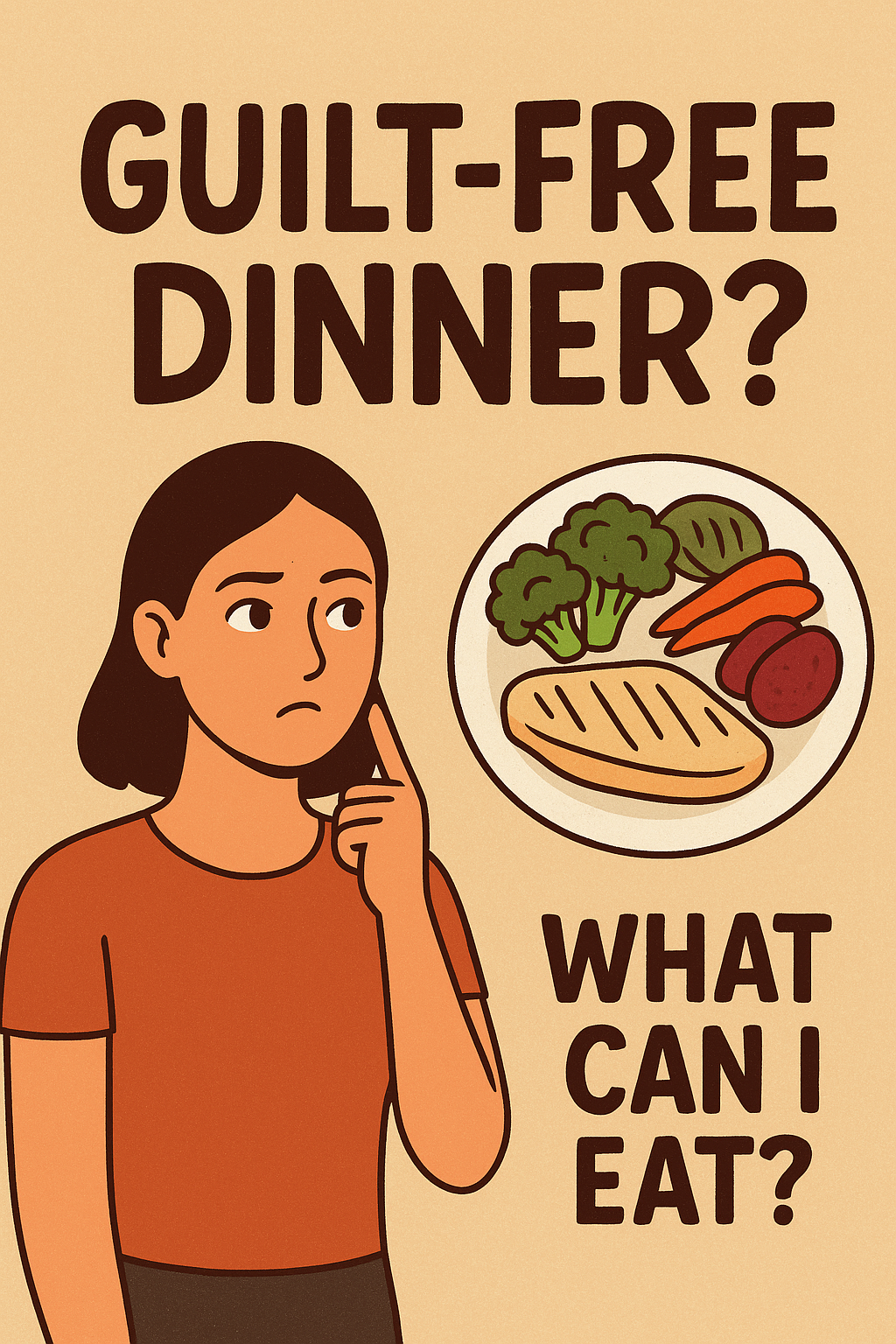
Guilt-Free Dinner: What You Can Eat in the Evening Without Gaining Weight
expert, nutritionist
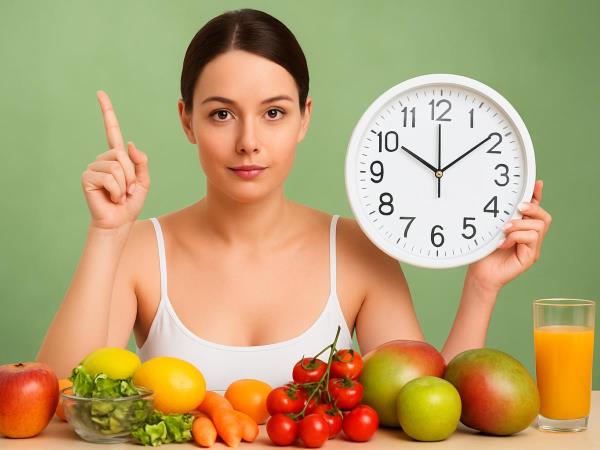
Do you go to bed hungry because you were told that every bite after 6 p.m. goes straight to your hips? You may be skipping dinner for nothing. Research from the UK suggests that the clock matters far less than we thought. The real difference comes from the choices we make once the sun goes down.
Cabbage, beetroot, prawns and white fish are among the foods that make a good evening meal. Potatoes, very spicy food and salty dishes are better kept in check.
Grilled fish and steamed vegetables: a famous dinner habit
One of the best-known examples of a simple, light dinner comes from the fashion designer and former Spice Girl Victoria Beckham. Her husband, football legend David Beckham, revealed on the River Caf{-15447} Table 4 podcast that since they met, "she only eats grilled fish, steamed vegetables", and very rarely changes it. According to HELLO! Magazine, she has kept this routine for about 25 years, apart from the occasional grilled-shrimp starter.
Few of us would want to eat the same meal for decades. Still, her plate looks a lot like the evening menu nutrition experts often suggest: a modest portion of fish or seafood, plenty of lightly cooked vegetables, and little fat, sauce or salt.
British researchers have busted the late-dinner myth
British researchers have busted the myth that a late dinner automatically harms your figure. A team from the Rowett Institute at the University of Aberdeen served volunteers carefully controlled meals for two months. For one month the largest meal was breakfast, and for the other month it was dinner. The daily calories were identical. In the study published in Cell Metabolism, timing made no difference to calories burned, resting metabolism or weight lost. The one thing that changed was appetite: participants felt less hungry during the day when they ate a bigger breakfast.
The message is simple. It is not true that you must not eat in the evening. You can. What counts is the total amount you eat during the day and the quality of the food. For dinner, choose foods rich in vitamins, minerals and above all fibre, which supports healthy digestion. Also choose foods that are nourishing yet easy to digest, so your body isn't working overtime when it should be winding down.
Fibre may also be good for your sleep. In a study in the Journal of Clinical Sleep Medicine, researchers at Columbia University found that people who ate more fibre spent more time in deep, restorative sleep. Diets higher in saturated fat and sugar were linked to lighter, more disrupted sleep. And since When you sleep too little, your belly grows, a good night's rest and a balanced dinner go hand in hand.
Cabbage and turnip: top of the evening list
At the top of the recommended foods are cabbage and turnip. In their fermented form, as sauerkraut and sour turnip, they also contain live, beneficial bacteria (probiotics). That is why it's worth putting them on the table regularly, at least every couple of weeks, and ideally more often.
Science backs up this old kitchen habit. A Stanford Medicine study, published in the journal Cell, found that 10 weeks of a diet rich in fermented foods increased the diversity of gut microbes in healthy adults. It also lowered several markers of inflammation. Cabbage is also low in calories and high in fibre and vitamin C, so a generous portion keeps you full without weighing you down.
Tip: Choose raw, unpasteurised sauerkraut, and rinse it briefly if you are watching your salt intake. Fermented vegetables can be quite salty.
Beetroot: colourful and practically irreplaceable
Beetroot is just as useful, and some would say irreplaceable. It is one of the richest natural sources of dietary nitrate. In the body, nitrate is converted into nitric oxide, a molecule that helps blood vessels relax. A review in the journal Foods describes nitrate and betalains, the pigments that give beetroot its deep red colour, as its key bioactive compounds. Both are being studied for their possible role in healthy blood flow.
Beetroot is often described as a "fat burner". No single food burns fat on its own, but beetroot is low in calories and rich in fibre and antioxidants, so it fits well into a lighter dinner. Cabbage, turnip and beetroot together can support regular digestion and good circulation, and they help you feel well overall.
Prawns, squid and white fish, in sensible portions
Scientists also suggest that in the evening we can eat prawns, squid or white fish such as cod, hake or sea bass. The key is the portion: about 100 grams, roughly the size of your palm. Seafood and white fish provide high-quality protein with very little fat, which keeps you satisfied without a heavy feeling at bedtime.
Go for grilled, baked or steamed fish rather than fried or breaded. A squeeze of lemon and fresh herbs give plenty of flavour without extra calories.
Steamed vegetables, and go easy on potatoes
All of this goes well with steamed or blanched vegetables such as broccoli, courgettes, carrots, green beans or spinach. With potatoes, it's better to be careful in the evening, especially fried, roasted in lots of fat or mashed with butter and cream. They are not "forbidden". In large portions and rich preparations, though, they easily turn a light dinner into a heavy one.
What about the glycaemic index?
You may have heard that carbohydrates in the evening will keep you awake. The research is actually more nuanced. In a small Australian study published in The American Journal of Clinical Nutrition, healthy volunteers fell asleep faster after a rice-based meal with a high glycaemic index, eaten four hours before bed, than after a low-GI meal. Most people don't need to cut carbohydrates out of dinner. Keep the portion modest, eat a few hours before bed, and pair carbohydrates with vegetables and some protein.
Foods that may feel "heavy" in the evening
Some foods are not unhealthy at all, but some people find them harder to digest late in the day. If you notice bloating, heartburn or restless nights, it's worth eating these in smaller amounts at dinner:
- Beans and onions, which can cause gas and bloating in sensitive people;
- Tomatoes and tomato sauces, which are acidic and may trigger heartburn in people prone to reflux;
- Mushrooms and dried fruit, which are rich in fibre and can cause discomfort in large amounts just before bed;
- Fatty or fried meat and rich poultry dishes. Lean chicken or turkey in a small portion is usually fine.
Milk and nuts are a different story. They are filling and calorie-dense, so watch the portion. In small amounts, though, the Sleep Foundation lists them among foods often linked with better sleep, thanks to tryptophan, magnesium and naturally occurring melatonin. A small glass of warm milk or a handful of almonds can be a better evening choice than a bag of crisps.
Dense, fatty meals are generally best avoided late in the evening. Digesting them takes time, and as the Columbia study above suggests, diets high in saturated fat are linked with less deep sleep. Be careful not to overeat, and try not to pile too many different foods into one evening meal. A simple plate with no more than three main components, such as a protein, a vegetable and perhaps a small serving of whole grains, is easier on your digestion. For more on hidden traps, see Hello, and Fattening: Foods that Sabotage Your Diet.
Skip spicy and very salty dishes
In the evening, avoid very spicy food. Spices can stimulate your appetite, and strong chilli can make it harder to settle down. In a small study at the University of Tasmania, published in the International Journal of Psychophysiology, young men who had Tabasco sauce and mustard with their evening meal slept noticeably worse. They had less deep sleep, more time awake and a raised body temperature during the first sleep cycle.
Also go easy on salty dishes, because too much salt makes the body hold on to water. The British Heart Foundation explains that sodium makes our bodies retain water, which in the long run is linked to higher blood pressure. UK guidelines, summarised in this NHS patient leaflet, recommend no more than 6 g of salt a day for adults, about one teaspoon. If you often wake up puffy, read Get Rid of Bloating and Excess Water.
The same goes for alcohol and caffeine
All of the above also applies to alcohol and caffeine. A glass of wine may make you drowsy at first, but according to the Sleep Foundation, alcohol disrupts normal sleep stages and leads to lighter, more fragmented sleep later in the night. Experts suggest avoiding alcohol for at least three hours before bed.
Caffeine stays in the body longer than most people think. In a study by researchers at Henry Ford Hospital and Wayne State University, published in the Journal of Clinical Sleep Medicine, a large dose of caffeine taken even six hours before bedtime noticeably reduced total sleep time. The participants didn't even notice it. The authors suggest that the last coffee or energy drink of the day should come no later than late afternoon.
What a guilt-free dinner can look like
Picture an ordinary weeknight. You come home tired, and instead of reaching for crisps or a takeaway, you put together a plate in 20 minutes:
- Protein: about 100 g of baked cod, grilled prawns or squid;
- Vegetables: a generous portion of steamed broccoli and carrots, or a warm beetroot salad;
- Gut-friendly extra: a few spoonfuls of sauerkraut or sour turnip;
- Drink: water or a caffeine-free herbal tea instead of wine or cola;
- Timing: ideally two to three hours before bed, leaving time for digestion.
A dinner like this is light, colourful and satisfying. It shows that the evening meal doesn't have to be a source of guilt. If you want a gentle approach to keeping your weight in check without strict rules, you may also enjoy Diet without dieting and 2 kg less per week.
The bottom line
You don't have to go to bed hungry to stay in shape. Research suggests that how much and what you eat over the whole day matters more than the hour on the clock. A light dinner built around vegetables, fermented cabbage or turnip, beetroot and a modest portion of fish or seafood can be both enjoyable and kind to your waistline. Go easy on salt, strong spices, heavy fatty dishes, alcohol and late caffeine, and you may find that you sleep better too.
Information on this website is for educational purposes only and is not medical advice.
expert, nutritionist
 Would you like to be informed about news on the website?










|

