





Honey: A Natural Treat That Isn't for Everyone – Are You One of Those Who Should Cut Back?
expert, nutritionist
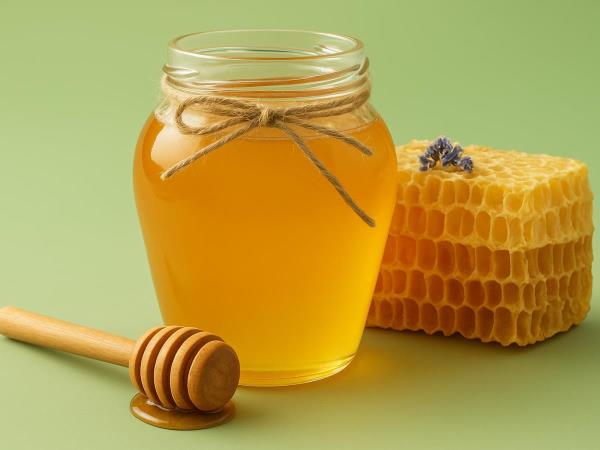
Golden, natural, straight from the hive – and, for some people, not nearly as innocent as it looks. When researchers funded partly by the honey industry set out to prove that honey is kinder to the body than table sugar, they ended up with the opposite result: in a controlled trial, honey, white sugar and high-fructose corn syrup had practically the same effects on blood sugar, blood fats and inflammation markers. For most healthy people, a spoonful of honey is simply a pleasant treat. But for some, it deserves a lot more caution than its "natural" halo suggests.
"You've graduated": a famous wake-up call about blood sugar
Oscar-winning actor Tom Hanks is one of the best-known examples of how quietly elevated blood sugar can creep up on a person. On the Late Show with David Letterman in 2013, he explained that his doctor had pointed to the high blood sugar numbers he had lived with since the age of 36 – roughly the time he was filming Forrest Gump – and told him they had now turned into type 2 diabetes. Hanks joked about it, but the message was serious: for years, his readings were "just a bit too high" without causing obvious problems. You can read the full report on NBC News.
That grey zone of "slightly elevated" blood sugar is exactly where honey is most often misunderstood. Many people in this situation swap white sugar for honey in their tea, yogurt and baking, believing they have made a healthy switch – when, as far as blood sugar is concerned, they may have changed very little.
Honey can be a real risk for some people
As surprising as it may sound, honey can pose a genuine health concern for certain groups, and the situation is more serious than it first appears. People who are sensitive to high concentrations of glucose in the blood should be very careful with honey. In certain cases, honey is practically no different from regular sugar.
This is not just an opinion. In a crossover study published in the Journal of Nutrition (Raatz et al., 2015), researchers at the USDA Agricultural Research Service's Grand Forks Human Nutrition Research Center gave 55 volunteers – some with normal glucose tolerance and some with impaired glucose tolerance (prediabetes) – 50 grams of carbohydrate a day from honey, table sugar or high-fructose corn syrup, each for two weeks. The result: all three sweeteners had similar effects on blood sugar, insulin and blood fats, and all three raised triglycerides. In the group with impaired glucose tolerance, blood sugar and inflammatory responses were higher across the board. The study was partly funded by the National Honey Board, which makes the finding all the more telling.
Chemically, this makes sense. Honey is roughly 80 percent sugar, mostly glucose and fructose – the same two building blocks that make up table sugar. According to the University of Sydney Glycemic Index Research Service, the glycemic index of honeys tested so far ranges from about 32 to 87, and many commercial blended honeys have an effect on blood sugar equal to or greater than that of sugar. A study in the Journal of the American Dietetic Association found that four common US honeys (clover, buckwheat, cotton and tupelo) all had glycemic index values of around 69 to 74.
The World Health Organization's guideline on sugars intake reflects this as well: it counts sugars naturally present in honey as "free sugars," in the same category as table sugar and syrups, and recommends keeping all free sugars below 10 percent of daily energy intake – ideally below 5 percent.
Is there any good news for honey lovers?
To be fair, the picture is not entirely black and white. A 2022 systematic review and meta-analysis by researchers at the University of Toronto, published in Nutrition Reviews (Ahmed et al., 2022), pooled 18 controlled trials with more than 1,100 mostly healthy participants. It found that honey – especially raw, single-flower (monofloral) honey such as robinia (acacia) or clover – was associated with modest improvements in fasting blood sugar and cholesterol. However, the authors stressed two important points: the participants were following healthy diets with limited added sugars, and the message was about replacing other sugars with honey, not adding honey on top. The certainty of most of the evidence was rated as low. In other words, honey is not a remedy – and for people who already struggle with blood sugar, it is still a concentrated source of sugar.
Pollen allergies: a rare but real concern
In addition, many nutritionists do not recommend honey to people who are allergic to pollen – and this can be a particular issue for children. Honey naturally contains small amounts of pollen from the flowers bees visit, especially raw and artisanal honey, which is usually less filtered than supermarket varieties.
Honey allergy is rare, but it has been documented. A case report in the Journal of Medical Case Reports (2021) describes a five-year-old boy, already sensitized to ragweed and mugwort pollen, who had a severe allergic reaction after eating artisanal flower honey. The authors noted that commercial honey is usually more heavily filtered, which removes much of the pollen, and advised doctors to be aware of the risk in children sensitized to weed pollens. A separate report in Asia Pacific Allergy (2017) estimates honey allergy at well under 0.001 percent of the general population and names pollen proteins from the Compositae family (such as ragweed and sagebrush) and proteins from the bees themselves as the main triggers.
People who are allergic to animal fur are sometimes also advised to be cautious with honey, although the evidence for this link is much weaker. For anyone with several known allergies, it is sensible to reduce the amount of honey considerably – or avoid it entirely – until an allergist has confirmed that it is safe. Typical warning signs after eating honey include itching in the mouth, hives, swelling or difficulty breathing; the last two always call for urgent medical help.
Babies under 12 months: no honey at all
There is one group for whom the advice is absolutely clear. The Centers for Disease Control and Prevention (CDC), the American Academy of Pediatrics and the National Honey Board all recommend that honey should not be given to infants younger than 12 months. As explained by the University of Florida IFAS Extension, honey can contain dormant spores of Clostridium botulinum, which a baby's immature gut cannot yet keep in check, potentially leading to infant botulism. This also applies to honey in baked goods and to honey-dipped pacifiers. Michigan State University Extension lists warning signs such as constipation, drooping eyelids, a "floppy" appearance and a weak suck – any of which needs immediate medical attention.
The biggest problem: slightly elevated blood sugar
The greatest challenge, however, concerns people whose blood sugar is only slightly elevated and whose problems are not yet very pronounced. This is far more common than most people think. According to the CDC, about 98 million US adults – more than a third – have prediabetes, and more than 8 in 10 of them do not know it. Prediabetes usually causes no symptoms at all, which is why it so easily goes unnoticed for years, just as it did in Tom Hanks's case.
For these people, some nutritionists suggest a few months of strictly limiting all types of added sugar, including honey, together with refined carbohydrates such as white bread, pastries and sweetened drinks. This is not about cutting out carbohydrates completely, but about choosing slow-release sources and keeping sweets to a minimum, ideally under the guidance of a doctor or registered dietitian. Lifestyle changes really can make a difference: as UW Medicine points out, the landmark US Diabetes Prevention Program found that a structured lifestyle program, in which participants lost about 5 to 7 percent of their body weight, reduced progression to type 2 diabetes by 58 percent.
Fiber-rich foods are a good place to start. Lentils and other legumes release sugar into the blood slowly – read more in our articles Small, but great fighter against diabetes and cholesterol and Legumes Against High Blood Sugar and Fats. For more budget-friendly ideas, see Affordable Foods that Reduce the Risk of Diabetes. And don't forget rest: short sleep has been linked to insulin resistance, as we explain in When you sleep too little, your belly grows.
A familiar story from the nutritionist's office
Nutritionists often hear a version of the same story. Someone gets a routine blood test showing fasting glucose "a little above normal." They decide to eat more healthily – and the first thing they do is replace sugar with honey: a spoonful in the morning tea, a drizzle over oatmeal, honey instead of jam on toast. A few months later, the numbers have not improved, and they are confused, because they "stopped eating sugar." In reality, they simply changed the type of sugar. The turning point usually comes when they start measuring sweeteners honestly – all of them, including honey, syrups and fruit juices – and cut the total back.
Who should consider limiting or avoiding honey?
- People with prediabetes or slightly elevated blood sugar – honey counts as added sugar and should be limited, as agreed with a doctor or dietitian.
- People with diabetes – honey can fit into a meal plan only in small, counted amounts; it is not a "free" or diabetic-friendly sweetener.
- People with known pollen allergies, especially to ragweed, mugwort or other Compositae plants – particularly with raw or artisanal honey; check with an allergist first.
- Children with allergies – introduce honey cautiously and only after consulting a pediatrician.
- Babies under 12 months – no honey in any form, including baked goods and pacifiers.
How to enjoy honey more wisely
- Use it as a replacement, not an extra. If you use honey, swap it for other sweeteners rather than adding it on top.
- Measure it. A teaspoon is easy to overshoot; a "drizzle" can easily be a tablespoon or more.
- Pair it with protein, fat or fiber – for example, a little honey in plain yogurt with nuts – which can soften the rise in blood sugar compared with eating it on its own.
- Choose quality over quantity. If you enjoy honey, a small amount of a good raw or monofloral honey is a better choice than large amounts of a cheap blend.
- Get tested. If you have risk factors such as excess weight, a family history of diabetes or an inactive lifestyle, ask your doctor for a blood sugar check.
The bottom line
Honey is a delicious, natural food with a long history in kitchens around the world, and for most healthy adults a small amount is perfectly fine. But "natural" does not mean "free of sugar." For people with elevated blood sugar, those with certain pollen allergies, and especially for babies under one year old, honey deserves real caution. If you are unsure which group you belong to, a simple blood test and a conversation with your doctor or dietitian is the best first step.
Information on this website is for educational purposes only and is not medical advice.
expert, nutritionist
 Would you like to be informed about news on the website?











|

