


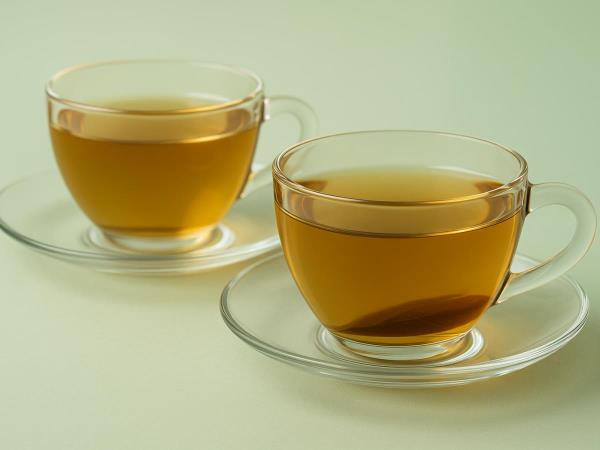



Homemade Apple and Cinnamon Tea: Why It Beats the Tea Bag Every Time
expert, nutritionist
That cheap tea bag you dunk into your mug every evening may contain less "tea" than you think, and in some cases a little extra you never asked for. Most bagged teas are filled with tea dust and fannings, the tiniest fragments left over after the processing of whole tea leaves. A homemade apple and cinnamon tea, on the other hand, gives you a cup that smells like a winter kitchen, warms you from head to toe and contains exactly what you put into it: nothing more and nothing less.
Even well-known chefs reach for cinnamon when they want something warm and comforting. American TV chef and cookbook author Carla Hall, former co-host of The Chew, has said she doesn't like coffee at all. When she needs a hot drink to warm up or soothe her soul, she turns to a cinnamon spice tea she absolutely loves. And she is far from alone. In early 2026, so-called "boiled apple tea" (apples simmered with cinnamon, cloves, honey and lemon) went viral on TikTok. Many people described it as soothing, cozy and easy to make, although experts reminded viewers that the promised "miracle" effects are often oversimplified. Our grandmothers would simply smile, because they were making exactly this drink long before social media existed.
Not All Teas Are Created Equal
Teas differ from one another, and it does matter which ones you buy. Of course, the best are those you prepare yourself at home. Homemade teas tend to be richer in natural plant compounds and more aromatic, and above all, you know exactly what is in them.
Store-bought teas, especially those in bags, usually contain so-called tea dust and fannings. According to the international tea leaf grading system, these are the lowest grades: tiny particles created during the sorting and crushing of real tea leaves. They are not harmful, but because they are so finely broken, much of the aroma and essential oils are lost before the tea ever reaches your cup. That is why bagged teas are generally considered less flavorful and less valuable than whole-leaf or freshly made infusions.
There is another reason to think twice about the bag itself. Researchers at McGill University in Montreal tested plastic "silky" tea bags made of nylon and PET. In their study, published in the journal Environmental Science & Technology, a single plastic tea bag steeped at brewing temperature released around 11.6 billion microplastic and 3.1 billion nanoplastic particles into the water. Possible effects on human health are not yet known, and most paper tea bags are not made this way. Still, a pot of fresh apples and a cinnamon stick neatly sidesteps the question altogether.
How to Make Homemade Apple and Cinnamon Tea
Ingredients:
- 2 to 3 organic apples
- 1/2 liter (about 2 cups) of water
- 1 cinnamon stick
- juice of one lemon
- 1 tablespoon of honey (to taste)
Preparation:
Cut the apples into wedges and place them in the water together with the cinnamon stick. Organic apples are worth it here, because the peel stays on and gives the tea much of its color and aroma. As soon as the water begins to boil, remove the pot from the heat, cover it and let it stand for at least 15 minutes while the tea cools. Then strain it, sweeten with honey if needed, and sharpen the flavor with lemon juice. How much extra sweetness you add depends on your taste and on how sweet your apples are.
Always add honey and lemon at the end, once the tea has cooled to a pleasant drinking temperature, so you don't destroy the heat-sensitive vitamin C from the lemon or the delicate aromas of the honey.
Nutritionist's tip: Don't throw away the softened apple wedges! Most of the fiber stays in the fruit, not in the liquid. Eat them with a spoon of yogurt or a sprinkle of extra cinnamon for a warm, comforting snack.
Which Cinnamon Should You Choose?
Not all cinnamon is the same. The cheaper and more common cassia cinnamon contains coumarin, a natural compound that may burden the liver when consumed in large amounts over long periods. According to the U.S. National Center for Complementary and Integrative Health (NCCIH), cinnamon is likely safe in the amounts normally used in food, and ordinary cassia usually does not contain enough coumarin to cause problems. Bodies such as the European Food Safety Authority (EFSA) and the German Federal Institute for Risk Assessment (BfR) have nevertheless set cautious intake guidelines for coumarin. If you plan to enjoy this tea daily, choose Ceylon cinnamon, the "true" cinnamon from Sri Lanka, which contains only traces of coumarin. Bonus: its flavor is softer and slightly citrusy, and it pairs beautifully with apples.
Why a Cup in the Evening Feels So Good
Apple and cinnamon tea is a lovely evening drink because it is naturally caffeine-free, warming and relaxing. Many people find it soothing for both the body and a scratchy throat. Apples contain natural plant compounds such as quercetin, catechin and chlorogenic acid, which researchers at Cornell University describe as strong antioxidants in their review "Apple phytochemicals and their health benefits" in the Nutrition Journal. Cinnamon adds its own polyphenols and the warming compound cinnamaldehyde.
A warm drink can also help you feel warmer. Many people notice it first in their hands, their feet and especially their nose. The nose is one of the places where we often feel the cold the most, and a chilly nose is not the ideal companion in cold season. Researchers at Yale University found that common cold viruses replicate more easily at the slightly lower temperatures found inside the nose (published in PNAS). Earlier, scientists at Cardiff University's Common Cold Centre reported that chilling the feet was followed by more cold symptoms in some volunteers (Family Practice). A warm cup won't work miracles, but feeling cozy and warm certainly improves your overall well-being.
Many people also say that apple and cinnamon tea helps them breathe more easily. Interestingly, there is research behind this old folk wisdom. In a small study led by Professor Ron Eccles at Cardiff University and published in the journal Rhinology, a hot apple and blackcurrant drink did not measurably change nasal airflow, but volunteers with colds felt they could breathe more freely. They also reported quick and lasting relief from a runny nose, cough, sneezing, sore throat, chilliness and tiredness. The same drink at room temperature helped less. The warm steam and the pleasant taste both seem to play a part.
This is welcome news in winter, when the airways can be troubled in two ways: either there is too much mucus, or the mucous membranes become completely dried out. The latter is especially common during the central-heating season, when indoor air becomes very dry. The Mayo Clinic notes that dry indoor air can irritate the nose and throat, so warm drinks, a humidifier and airing out rooms regularly all make a difference. If you like warm winter drinks, you may also enjoy our guide Warm Water with Turmeric Against Winter Troubles.
The Honey and Lemon Finish
Honey isn't just there for sweetness. A systematic review by researchers from the University of Oxford, published in BMJ Evidence-Based Medicine, found that honey was associated with better relief of upper respiratory symptoms, particularly cough frequency and severity, than usual care. The authors added that more high-quality placebo-controlled trials are still needed. Remember that honey is still a form of sugar, so a single spoonful per pot is plenty. Honey should never be given to babies under one year of age. Many everyday ingredients lose their value when we handle them the wrong way, and honey stirred into boiling water is a classic example. Read more in Foods We Use Incorrectly.
Morning, Day or Evening?
The tea is especially pleasant in the evening, when you want to slow down. Because it contains no caffeine, it won't keep you awake, and a calm evening ritual is one of the simplest things you can do for better rest. Good sleep matters more than many people realize, as we explain in When you sleep too little, your belly grows.
During the day, a warm cup gives you a gentle, natural lift without the jitters of coffee. And if you drink a cup in the morning on an empty stomach, many people find that apples and cinnamon help get their digestion going comfortably, especially if they also eat the softened apple wedges. If bloating is your winter companion, take a look at Get Rid of Bloating and Excess Water. Together, apples and cinnamon bring antioxidant plant compounds into your cup, and cinnamon has traditionally been valued for its antibacterial and antiseptic properties, which is one reason it has been used in food preservation for centuries.
A Reader's Winter Ritual
One of our readers, a retired schoolteacher, wrote to us that she started making apple and cinnamon tea when her grandchildren stopped by after school on cold November afternoons. "At first it was just a way to use up the apples from our garden," she told us. "Now the whole house smells of cinnamon by four o'clock, and the kids ask for 'the apple tea' before they even take their coats off. I haven't bought a box of fruit tea bags in two winters." Her trick: she adds a strip of orange peel and a single clove to the pot for an extra festive aroma.
Cheaper, Fresher and Available All Winter
Since fresh apples are available throughout the winter, this kind of tea is a far more worthwhile choice than cheap tea bags. It costs very little, takes ten minutes of your time and fills your home with an aroma no tea bag can match. Make a pot tonight, and you may never look at that cardboard box of tea bags the same way again.
Frequently Asked Questions
Can I use ground cinnamon instead of a cinnamon stick?
You can, but a stick gives a clearer tea and a more rounded flavor. Use about half a teaspoon of ground cinnamon and strain the tea through a fine sieve or cloth.
Which apples work best?
Sweet, aromatic varieties such as Gala, Fuji or Pink Lady give a naturally sweet tea that needs little or no honey. Tart apples give a fresher taste.
Can I keep the tea in the fridge?
Yes, for up to two days in a closed jar. Warm it gently before drinking, and add honey and lemon only after reheating.
Is this tea suitable for children?
It is a pleasant, caffeine-free drink for children, but use Ceylon cinnamon, keep the amount modest and never give honey to babies under one year old.
Information on this website is for educational purposes only and is not medical advice.
expert, nutritionist
 Would you like to be informed about news on the website?













|

