




Six Tricks to Turn Your Favourite Foods into Healthier Choices – Without Giving Anything Up
expert, nutritionist
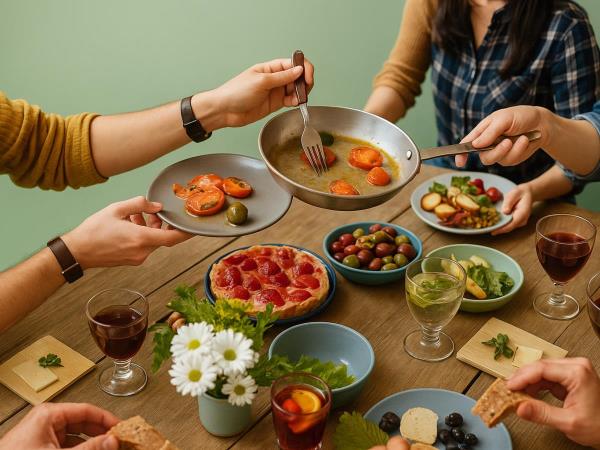
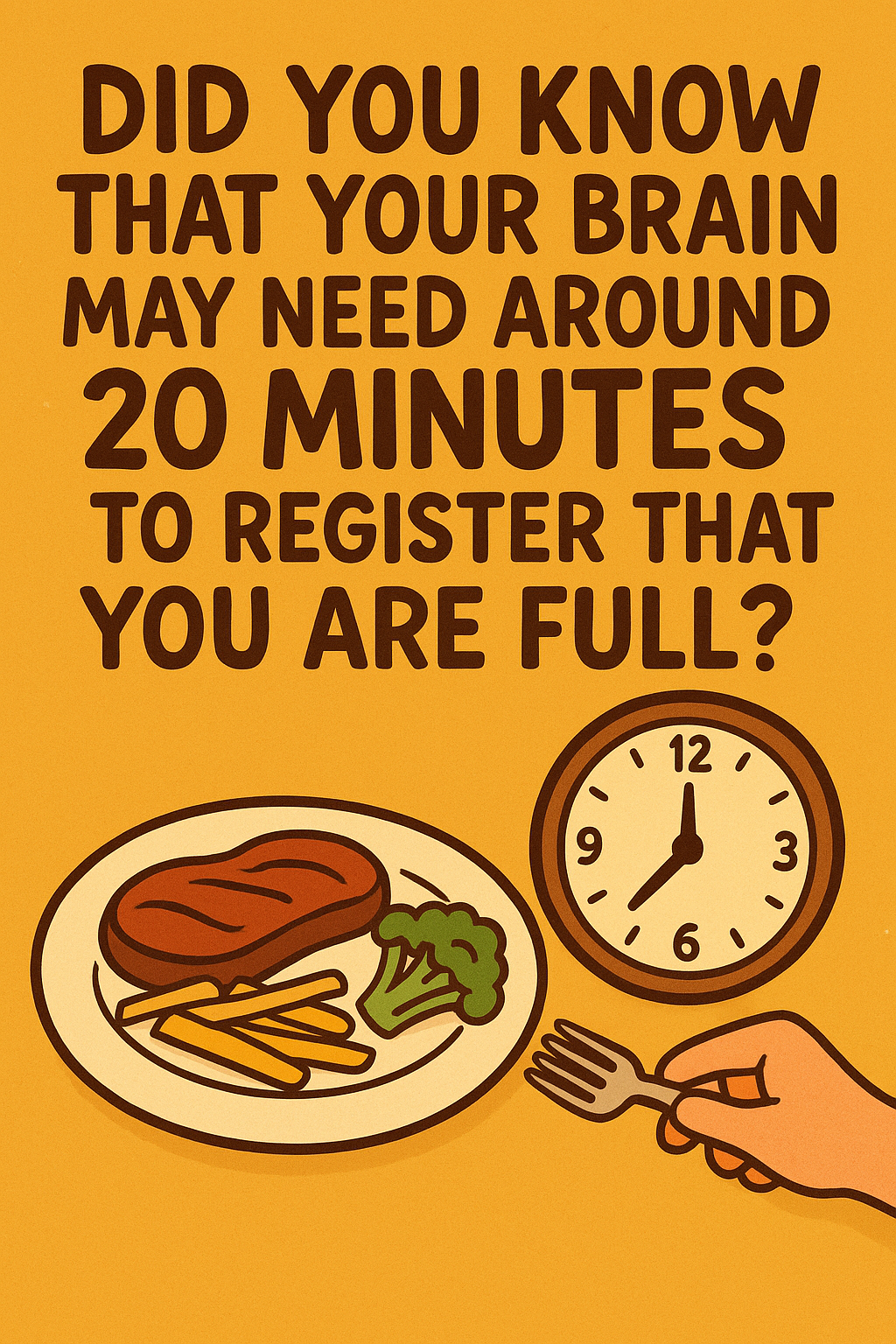
Did you know that your brain may need around 20 minutes to register that you are full? If you finish your plate in ten, the "I've had enough" signal may simply arrive too late, and that second helping is already gone. The good news: you don't have to banish fries, pizza or pasta from your life. From fries to salads, small changes can make a big difference.
Even supermodels don't live on lettuce alone. Former Victoria's Secret model Miranda Kerr has said in interviews that she really enjoys food and tries to stick to an 80/20 approach: eating healthily most of the time and leaving room for a little indulgence. And her favourite treat? According to ABC News, it's a plate of French fries. Her approach is a reminder that balance usually works better than strict rules, which is exactly what the six tricks below are about.
1. French Fries
Most people think fries are a French speciality, but Belgians have long claimed them as their own, and the origin of French fries is still a matter of friendly debate between the two countries. Wherever they come from, how you prepare them matters a lot.
Whenever possible, don't deep-fry your fries in oil; bake them in the oven instead. Oven-baked fries need only a spoonful of oil, which can noticeably reduce the fat and calorie content compared with deep-frying. Season them with just a pinch of coarse sea salt, and enrich the flavour with garlic cloves and sprigs of rosemary. Aim for a golden-yellow colour rather than dark brown: the U.S. Food and Drug Administration (FDA) notes that acrylamide, a compound that forms when starchy foods are cooked at high temperatures, tends to increase with longer, darker cooking.
Our tip: rather than serving fries alongside a heavy portion of fatty meat, pair them with a large serving of vegetables or a fresh salad. This keeps the meal lighter and more balanced. Curious about fries and mood? Read our article Does French fries really increase the risk of anxiety and depression?
2. Portion Size
Wherever possible, order a children's portion. Don't even think about ordering large portions, because they almost always contain considerably more calories than you need. Large portions do nobody any good! Restaurant servings have grown steadily over the decades, a phenomenon the U.S. National Heart, Lung, and Blood Institute calls "portion distortion".
In addition, follow the 80/20 rule: 80 percent of your food should be what is good for you, and only 20 percent what you simply crave. Interestingly, people in the so-called Blue Zones, such as the Japanese island of Okinawa, traditionally stop eating when they feel about 80 percent full, a habit known as hara hachi bu.
If you want to learn which everyday foods can quietly undermine your efforts, take a look at Hello, and Fattening: Foods that Sabotage Your Diet.
3. Healthy Swaps
If you can't resist pizza, at least choose a lighter, homemade version. A thin crust, plenty of vegetables, a moderate amount of cheese and lean toppings make a big difference compared with a thick, cheese-stuffed takeaway pizza. Gluten-free pizza is an excellent option for people with coeliac disease or gluten sensitivity, although for everyone else the choice of toppings and the portion size usually matter more than the gluten itself.
If you can't resist pasta, choose healthier pasta. Wholegrain pasta, legume-based pasta (made from lentils or chickpeas) or vegetable "noodles" made from courgette (zucchini) offer more fibre and can be more filling. Combine them with a simple tomato sauce and plenty of vegetables instead of heavy cream sauces.
Many of these swaps are about using familiar foods a little differently. For more ideas, read Foods We Use Incorrectly.
4. Salads
By all criteria, salads should be the healthiest meal. However, that isn't true if you drown them in a ready-made, industrial yoghurt dressing, which can contain added sugar, starches and a surprising amount of calories. Piling pasta, fatty meats, croutons and lots of cheese on top of your salad can also turn a light meal into a heavy one.
A good salad starts with fresh green leaves and a tablespoon of good-quality extra virgin olive oil. Instead of vinegar, we recommend the juice of half a lemon, which adds freshness and a pleasant tang. If you'd like your salad to be a full meal, add a modest portion of something filling, such as a boiled egg, a handful of beans or a few walnuts, rather than heavy, processed toppings. Olive oil is a cornerstone of the Mediterranean diet, one of the most widely studied eating patterns in the world.
5. Don't Rush Your Meal
Only if your meal lasts more than 20 minutes can you expect your brain to properly catch the signal from your stomach. Only then will you feel truly full.
Science seems to support this old advice. In a study at the University of Rhode Island, nutrition researcher Kathleen Melanson asked women to eat a large plate of pasta either quickly or slowly. When they ate fast, they consumed 646 calories in about nine minutes; when they paused between bites and chewed thoroughly, they ate 579 calories in 29 minutes, felt more satisfied, and even reported enjoying the meal more. A follow-up study published in the International Journal of Behavioral Nutrition and Physical Activity found that participants felt less hungry an hour after a slow meal.
A few simple tricks: put your fork down between bites, chew each mouthful well, eat at the table rather than in front of a screen, and start with vegetables. For a gentle, non-restrictive approach to eating, see Diet without dieting and 2 kg less per week.
6. Drinks Matter
Drinks have calories too. In fact, lots of them. A single can of regular soda, a sweetened iced coffee or a large glass of juice can add as many calories as a small meal, without making you feel full. The Harvard T.H. Chan School of Public Health lists sugary drinks among the biggest sources of added sugar in many people's diets. Whenever possible, drink water or unsweetened tea.
If you can, always drink a glass of water before a meal. In a 12-week study by researchers at Virginia Tech, published in the journal Obesity, middle-aged and older adults who drank two glasses of water before meals ate fewer calories at those meals and lost more weight than those who didn't.
What about drinking during a meal? Many people prefer not to, believing that too much water dilutes stomach acid. However, according to the Mayo Clinic, there's no real evidence that water with meals harms digestion. Still, there's something worth knowing: a study from Cornell University, published in the journal Appetite, suggested that frequent sipping between bites may "refresh" the palate and lead some people to eat a little more. So the simplest rule is: a glass of water before the meal, and small, moderate sips during it.
The Bottom Line
Eating well doesn't mean saying goodbye to your favourite foods. Bake instead of deep-fry, choose smaller portions, swap a few ingredients, keep salads simple, slow down at the table, and watch what you drink. None of these tricks require willpower or sacrifice, just a little attention. As Miranda Kerr's example shows, a sensible balance leaves plenty of room for the foods you love.
Information on this website is for educational purposes only and is not medical advice.
expert, nutritionist
 Would you like to be informed about news on the website?









|

