




Five Foods Healthy People Always Keep at Hand – Do You Have Them Too?
expert, nutritionist
The woman with the longest confirmed lifespan in history did not credit a miracle pill. She credited the bottle of olive oil in her kitchen. And she is far from the only one: nutrition researchers keep returning to the same handful of humble foods that turn up again and again in the kitchens of people who eat well and age well.
Olive oil, tomatoes, sardines, carrots and walnuts are among the most nutrient-dense foods you can buy, and many nutrition experts suggest putting them on the menu at least three times a week. None of them is exotic or expensive – which is exactly why it pays to make sure you never run out.
A 122-year-old secret from Provence
Frenchwoman Jeanne Calment, who lived to 122 and remains the oldest person whose age has been officially verified, was famously fond of olive oil. According to her obituary in The New York Times, she poured it generously over her food and rubbed it into her skin, and she was happy to mention it among the reasons for her long life – alongside a good sense of humour, a calm temperament and a weakness for chocolate. Of course, one remarkable life proves nothing scientifically; genes and luck played a huge role. But her story captures a habit that research has since taken seriously.
Closer to home, one of our readers, a retired teacher in her late sixties, told us she began "stocking the five" after her doctor suggested she eat more like her Mediterranean neighbours. "I didn't change my whole life," she wrote. "I just made sure there was always a can of sardines, a bag of walnuts and a bottle of good olive oil in the pantry. After a few months, cooking healthy simply stopped feeling like effort."
Large studies point in the same direction. In the well-known Spanish PREDIMED trial published in The New England Journal of Medicine, people at higher cardiovascular risk who followed a Mediterranean diet enriched with extra-virgin olive oil or nuts had noticeably fewer major cardiovascular events than those on a reduced-fat control diet. No single food works wonders on its own, but together, as part of an overall eating pattern, these staples appear to make a real difference.
1. Olive oil
[s2]
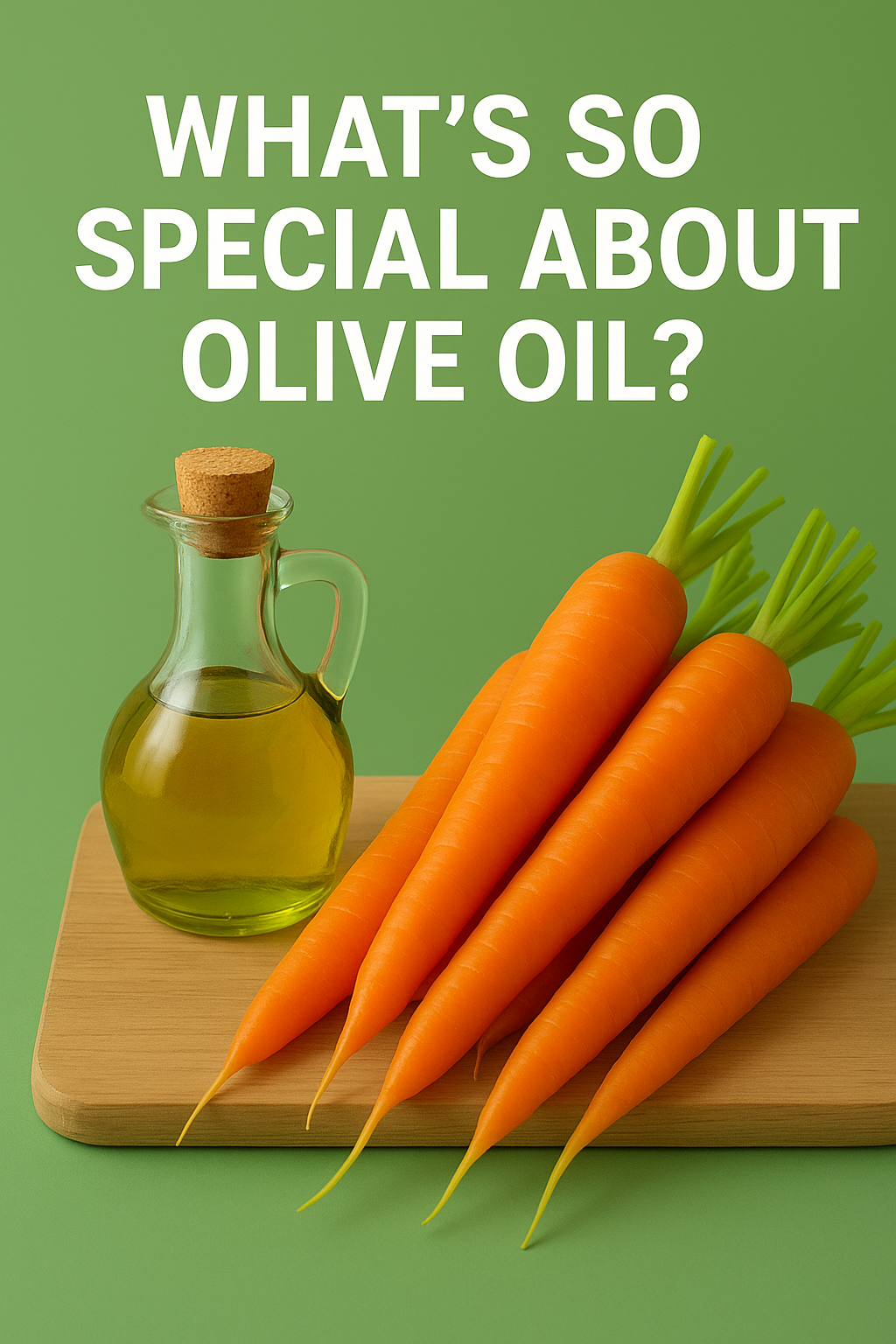
Olive oil contains plenty of healthy unsaturated fatty acids, mainly monounsaturated oleic acid. And despite being high in calories, olive oil is considered one of the best natural allies of a heart-friendly diet. A large Harvard study published in the Journal of the American College of Cardiology, which followed more than 90,000 American adults for 28 years, found that people who consumed more than half a tablespoon of olive oil a day had a lower risk of dying early from any cause than those who rarely used it.
According to Mayo Clinic, part of olive oil's appeal may lie in its anti-inflammatory compounds and in its gentle effect on blood vessels and the gut microbiome, while experts at Cleveland Clinic point out that extra-virgin olive oil is especially rich in antioxidant polyphenols because it is pressed without high heat or chemical solvents. Just as important is what olive oil replaces: when it takes the place of butter, lard and other saturated fats on your plate, your overall diet tends to improve.
Nutritionist's tip: one to two tablespoons a day is plenty. Use extra-virgin olive oil for salads and finishing dishes, and don't be afraid to cook with it at moderate temperatures.
2. Tomatoes
[s3]
Most of us think of salad when we think of tomatoes, but cooked tomatoes may be even more valuable, because heat makes lycopene – one of the most potent natural antioxidants – easier for the body to absorb. A study in the Journal of Agricultural and Food Chemistry by researchers at Cornell University found that the amount of available lycopene in tomatoes rose markedly the longer they were cooked, even though some vitamin C was lost along the way.
Add a drizzle of olive oil and the effect may be even better, since lycopene is fat-soluble – a good reason why a slow-simmered Mediterranean tomato sauce is such a clever combination. If you prefer something quick, read our article One Glass of Tomato Juice in the Morning: What Actually Happens in Your Body?
Nutritionist's tip: passata, tomato pur{-15447}e and home-made sauces all count. When buying them ready-made, choose products without added sugar and with as little salt as possible.
3. Sardines
[s4]
These little fish are often described as the healthiest package the sea has to offer. They contain plenty of high-quality protein, vitamins and minerals – including vitamin D, vitamin B12 and selenium – and above all the long-chain omega-3 fatty acids EPA and DHA. Canned sardines eaten with their soft, edible bones are also a useful source of calcium.
A review in Frontiers in Nutrition went as far as suggesting that eating sardines may be a smarter choice than relying on fish-oil capsules alone, because the whole fish delivers omega-3s together with a matrix of other nutrients. The American Heart Association recommends eating fish, especially oily fish, about twice a week. Because sardines sit low in the food chain, they also tend to accumulate less mercury than large predatory fish.
Nutritionist's tip: sardines in olive oil or tomato sauce are a ready-made meal on toast. If you watch your salt intake, check the label – some canned varieties are quite salty.
4. Carrots
[s5]
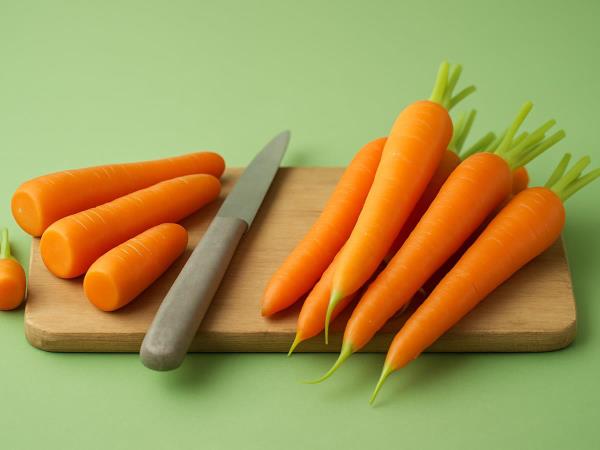
Carrots are healthy raw and perhaps even more so cooked. They are an excellent source of beta-carotene, which the body converts into vitamin A, and they also provide vitamin K, fibre, potassium and a little vitamin C. It's no wonder carrots are often counted among the healthiest home-grown foods.
The "cooked is better" idea has science behind it: an older study in The Journal of Nutrition found that beta-carotene from processed and cooked carrots was absorbed considerably better than from raw ones. We wrote about newer findings in New research suggests the beta-carotene in carrots may be far easier for the body to absorb once cooked than raw. And if you still love them crunchy, try our Carrot, Orange & Coconut Salad: The Four-Ingredient Combo That Might Just Become Your New Favorite Snack.
Nutritionist's tip: as with tomatoes, a little fat helps – a few drops of olive oil on cooked carrots improves the absorption of beta-carotene.
5. Walnuts
[s6]
Walnuts have long been a traditional folk remedy, valued for all sorts of everyday complaints. They are rich in vitamin E (especially in the form known as gamma-tocopherol), minerals and polyphenols, and they are the only common nut with a significant amount of plant-based omega-3 alpha-linolenic acid (ALA) – about 2.5 g per ounce (28 g), according to the California Walnut Commission.
Walnuts are also being studied for their possible role in brain health. A review in the journal Nutrients summarised mostly animal and laboratory research suggesting that walnut compounds may help protect brain cells from oxidative stress and inflammation, which researchers are exploring in connection with age-related cognitive decline and Alzheimer's disease. This does not mean walnuts can treat or relieve Alzheimer's – but the early findings are encouraging. In a human study at the University of Reading, young adults who ate a generous handful of walnuts (50 g) with breakfast showed faster reaction times during the day and better memory performance later in the day than after a calorie-matched breakfast without nuts.
Besides all that, dishes made with walnuts are wonderfully tasty and aromatic. Curious about the trend of soaking them? Read The 14-Day Walnut Secret: Do "Sprouted" Walnuts Really Become a Nutritional Treasure?
Nutritionist's tip: a small handful (about 30 g, or roughly 7 whole walnuts) a day is a sensible portion, since walnuts are energy-dense. Store them in the fridge so their delicate oils don't turn rancid.
How to make sure you never run out
The secret of people who eat well is rarely willpower – it's a well-stocked kitchen. Keep these five on your shopping list and you'll always have the makings of a healthy meal:
- Monday: wholegrain pasta with slow-cooked tomato sauce and a drizzle of extra-virgin olive oil.
- Wednesday: sardines on wholegrain toast with grated carrot salad.
- Friday: roasted carrots with olive oil, topped with chopped walnuts.
- Every day: a small handful of walnuts as a snack instead of biscuits.
A few words of caution
Walnuts are a common allergen, so anyone with a tree-nut allergy should avoid them. Olive oil and nuts are calorie-dense, so portions matter if you are watching your weight. Canned fish may be high in salt. If you take blood-thinning medication, have a chronic condition or follow a special diet, it's a good idea to talk to your doctor or a registered dietitian before making major changes to how you eat.
Information on this website is for educational purposes only and is not medical advice.
expert, nutritionist
 Would you like to be informed about news on the website?















|

