




10 Everyday Foods That May Be Quietly Working Against You
expert, nutritionist
Every day, millions of us eat foods we already suspect aren't doing us any favours. A hot dog at lunch, a glass of juice "for the vitamins", a bowl of colourful cereal before school. Strange, isn't it? We know, and yet we keep reaching for them. Stranger still is the moment you recognise yourself in the list below.
British doctor and broadcaster Chris van Tulleken decided to find out what such a diet really does. For a BBC documentary, he switched to a diet in which 80% of his calories came from ultra-processed food for four weeks, under the supervision of researchers at University College London. He wasn't force-feeding himself; he simply ate when he was hungry. Within a month he had gained around six to seven kilos, and he later told NPR that he slept poorly, felt anxious and unhappy, and generally felt much older than his years. His experience later became the starting point for his bestselling book Ultra-Processed People. One person's experiment is not a scientific study, of course, but it echoes what many readers tell us: when they cut back on packaged food, they simply feel lighter and more energetic.
When we eat the wrong things day after day, it can feel as if we're jogging with a backpack full of stones. At first we barely notice the tiredness, but over the years the strain quietly adds up. According to the World Health Organization's European Regional Obesity Report, almost 60% of adults in Europe live with overweight or obesity. This isn't just about appearance. Excess weight is associated with a long list of chronic conditions, from type 2 diabetes to heart disease.
And here's something interesting: our grandparents' folk wisdom said the same thing we hear from nutritionists today – you are what you eat. The old folks put it even more vividly: "If you eat food made in a factory, your body will start to run like a factory – noise, smoke and wear and tear."
Modern research is starting to agree. A large umbrella review published in The BMJ in 2024 linked high intake of ultra-processed foods with a range of less favourable health outcomes, and researchers at Stanford Medicine point out that such products tend to be higher in saturated fat, salt and sugar – the three things most of us should eat less of. If you'd like more background, read our article 5 Foods That Shorten Your Lifespan.
Let's look at 10 foods that may be slowly working against us, even though we keep eating them day after day...
- Canned and jarred tomato sauce – hidden sugar disguised as health
Tomatoes are a wonderful food, but store-bought sauces often contain added sugar. A single cup of some commercial tomato or pasta sauces can contain up to around 12 g of sugar – roughly three sugar cubes. The World Health Organization recommends keeping free sugars below 10% of daily energy intake, and ideally below 5%, and hidden sugar in savoury foods makes that surprisingly hard. Research on sugar-rich diets, such as studies published in the Journal of the American Medical Association, has repeatedly linked high added-sugar intake with a less favourable metabolic profile.
So why not make your sauce at home? A few ripe tomatoes, a drizzle of olive oil and a little garlic. Our grandmothers called garlic "the herb that cleans the blood"; today we know it contains allicin, a natural compound with antibacterial properties that is being studied for its effects on the body, as summarised by the U.S. National Center for Complementary and Integrative Health. Homemade sauce is fresher, tastier and free of hidden sugar.
- Processed meat products – quiet troublemakers for your heart and gut
Hot dogs, salami, p{-15454}t{-15447}s and ready-made burgers from the supermarket shelf... They may taste good, but they are often high in salt, fat and nitrites (preservatives that extend shelf life and prevent spoilage, but can form undesirable compounds in the body). In 2015, the World Health Organization's cancer agency, IARC, classified processed meat as carcinogenic to humans, estimating that every 50 g eaten daily is associated with an 18% higher risk of colorectal cancer. The World Cancer Research Fund therefore advises eating little, if any, processed meat.
People used to say that the butcher at the market was a better doctor than any modern diet. If you eat meat, choose a piece of fresh, unprocessed meat, poultry or fish instead of cured products.
- Low-quality, overheated vegetable oils – the problem is often how we use them
The label says "sunflower oil", but most supermarket oils are heavily refined (processed in a way that strips out many natural compounds). The bigger concern, nutritionists say, is what happens when oil is heated to very high temperatures or reused repeatedly for frying: it can oxidise and form compounds that may contribute to oxidative stress in the body. Studies published in the journal Nutrients have explored how repeatedly heated frying oils may affect inflammation markers.
For everyday cooking, extra virgin olive oil is one of the best-researched choices; in the large Spanish PREDIMED trial, published in the New England Journal of Medicine, a Mediterranean diet rich in olive oil was associated with fewer cardiovascular events. Cold-pressed linseed oil is great for salads, but not for heating. In the countryside people traditionally cooked with lard, which is more heat-stable than many oils; if you use it, do so sparingly, as it is rich in saturated fat (see the Harvard T.H. Chan School of Public Health guide to fats). For more kitchen habits worth rethinking, see Foods We Use Incorrectly.
- French fries – the king of fast food that slows us down
Acrylamide is a compound that forms when starchy foods are fried, baked or roasted at high temperatures. The European Food Safety Authority (EFSA) considers it a potential health concern and advises reducing exposure. A long-term study in the American Journal of Clinical Nutrition found that people who ate fried potatoes two or more times a week had a higher risk of early death than those who rarely ate them, while non-fried potatoes showed no such link. Researchers have even explored a possible connection between fried foods and mood – read more in our article Does French fries really increase the risk of anxiety and depression?
But you can still enjoy potatoes! They contain potassium, which supports normal heart function. Simply bake them in the oven, the way our grandparents roasted them beside the wood-burning stove, and aim for golden rather than dark brown.
- Store-bought salad dressings – sugar, additives and secrets in a bottle
A bottle of dressing can have a surprisingly long ingredient list: sugar or syrups, thickeners, flavourings and preservatives. Research from the University of North Carolina, published in the Journal of the Academy of Nutrition and Dietetics, found that around three-quarters of packaged foods and drinks bought in the U.S. contain some form of caloric sweetener, including high-fructose corn syrup, and similar products are increasingly common in Europe. Diets consistently high in added sugars, especially fructose, are associated with fat build-up in the liver, according to the U.S. National Institute of Diabetes and Digestive and Kidney Diseases.
So why not make your own dressing? Lemon juice, apple cider vinegar, olive oil, a pinch of salt and herbs. Folk wisdom says "vinegar thins the blood"; while that's an old saying rather than a proven fact, a simple homemade dressing gives you full control over what goes into your salad – and many people find it easier on digestion.
- Artificial sweeteners – when sweet isn't quite so innocent
Aspartame, acesulfame-K, sucralose... They sound like they come straight from a chemistry lab. Regulators such as EFSA consider approved sweeteners safe within acceptable daily limits, and in 2023 the WHO reaffirmed the acceptable daily intake for aspartame, while its cancer agency classified it as "possibly carcinogenic" based on limited evidence. That same year, the WHO also advised against using non-sugar sweeteners for weight control. A study published in the journal Cell found that some sweeteners can alter gut bacteria and, in some people, their blood sugar response.
Traditional healers offered another solution: a little honey or a homemade syrup (the best are made from young spruce tips or dried pears simmered in water). Such syrups have a naturally sweet taste, with no tricks – but remember, they are still sugar, so enjoy them in moderation.
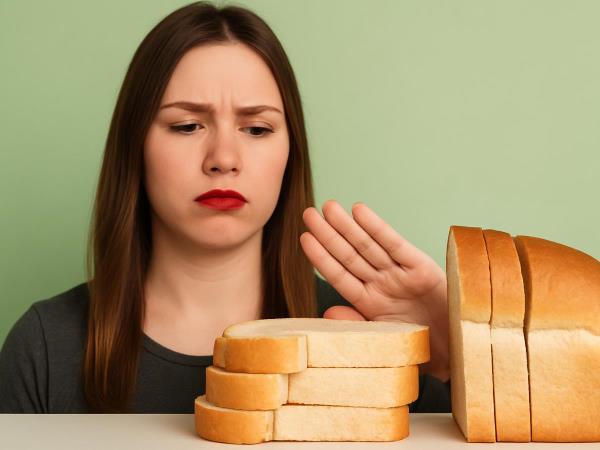
- White bread and pasta – fast fuel, fast crash
White flour has had most of its fibre and minerals removed. After eating it, blood sugar can rise quickly and then drop just as fast, often leaving you hungry again soon after. Observational research from the Framingham Heart Study, published in the American Journal of Clinical Nutrition, found that people who ate more refined grains tended to carry more abdominal fat, while those who ate more whole grains carried less. The Harvard T.H. Chan School of Public Health recommends choosing whole grains whenever possible.
In our region people used to say: "Dark bread gives you strength." Stone-ground wholemeal flour, wholegrain bread or buckwheat porridge show what real grain has to offer. Just keep an eye on portions – read why in Hello, and Fattening: Foods that Sabotage Your Diet.
- Energy bars – sweets in sportswear
They look healthy, but many energy and cereal bars contain 30–50% sugar. Unless you're running a marathon or doing long, intense training, your body usually doesn't need that quick sugar hit – and many people who buy them eat them as an everyday snack rather than as fuel for exercise.
A traditional snack works much better: a handful of walnuts, a few dried plums and a spoonful of honey. Shepherds and woodcutters relied on just such a combination for long days outdoors.
- Store-bought fruit juices – almost as much sugar as soft drinks
In the EU, sugar may no longer be added to products labelled as fruit juice (Directive 2012/12/EU), but even 100% juice is naturally rich in sugar, while "nectars" and "juice drinks" may contain added sugar. A 0.5 L bottle can contain the equivalent of around 10 teaspoons of sugar, and without the fibre of whole fruit it is absorbed quickly. Pasteurisation (heating to destroy microbes) can also reduce some of the more delicate vitamins, such as vitamin C. A large Harvard analysis published in The BMJ found that eating whole fruits was associated with a lower risk of type 2 diabetes, while higher fruit juice intake was associated with a higher risk. Sweet drinks may even affect your hormones – see Sweetened drinks and the thyroid: what happens to your hormones when you reach for lemonade every day.
People once simply grated an apple and ate it. The fibre in a whole apple helps soften blood sugar swings, while store-bought juice raises them faster than you might think.
- Sweet breakfast cereals – a sugar rush first thing in the morning
Many frosted and flavoured cereals contain 30–40% sugar. When blood sugar spikes in the morning, the afternoon often brings tiredness, irritability and hunger. This matters especially for children: the WHO's sugar guideline links high intake of free sugars with unhealthy weight gain and tooth decay in both adults and children. For more on what not to start your day with, see Why is it dangerous to eat these foods for breakfast.
An old folk recipe suggests: rolled oats, dried fruit and a sprinkle of cinnamon. Cinnamon adds natural sweetness, and some small studies suggest it may help with blood sugar control; a review in the Annals of Family Medicine found modest reductions in fasting blood sugar, although results vary and more research is needed.
The way back to simple, home-cooked food
The world is fast, and food is becoming ever more complicated. Yet the solution is surprisingly simple:
- more home-cooked meals,
- more seasonal food,
- less processed food,
- more garlic, onions, apple cider vinegar, honey, buckwheat, oats...
Our ancestors didn't have laboratories. But they had knowledge, close observation of nature and plenty of common sense. Today we have data that increasingly supports much of that wisdom. If you replace just one of these foods each week, by this time next year you will have done your body a real favour. Not because it's a trend, but because it's natural.
And nature usually knows what it's doing.
Information on this website is for educational purposes only and is not medical advice.
expert, nutritionist
 Would you like to be informed about news on the website?











|

