




5 Habits That Quietly Make You Gain Weight – and How to Break Them
expert, nutritionist
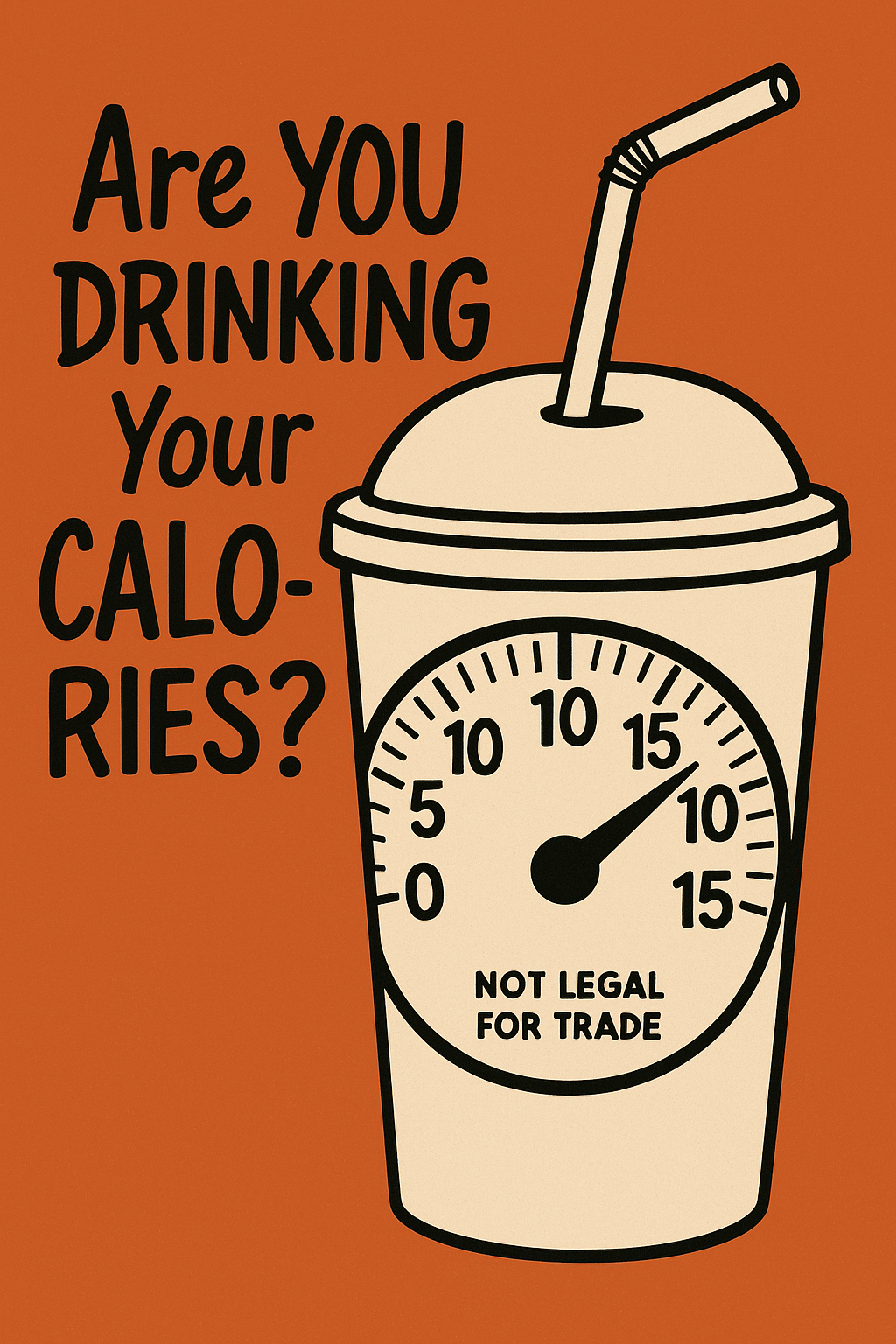
You could be drinking a full meal's worth of calories every day without ever picking up a fork. A can of soda here, a sweetened coffee there, a glass of juice with lunch: it adds up quickly, and your body barely registers it as food. Liquid calories are only one of the quiet habits that can make the scale creep upward while you feel like you are "doing everything right."
Actor Chris Pratt knows this well. When he was cast as Star-Lord in Guardians of the Galaxy, he set out to transform his physique. According to reports summarized by Eat This, Not That!, one of the first and most talked-about changes he made was giving up beer. He summed it up on social media in four words: "Six months no beer." He combined this with training and plenty of water. His routine was far more intense than anything most of us need, but his story makes the point clearly: what you drink can matter as much as what you eat.
With small changes like these, you can have a real influence on your figure and, above all, on your overall health. At the same time, if you recognize yourself in these habits, they may be exactly what is standing between you and the weight you feel best at.
These suggestions are well worth considering.
1. Stop Drinking Your Calories
Sometimes we do not even realize how many calories we drink in a day. Sodas, juices, sweetened teas, energy drinks and specialty coffees can easily add several hundred calories, and for some people far more. Swapping sugary drinks for plain water is one of the simplest changes many people find helpful when trying to manage their weight. Above all, try to cut back on carbonated and sugar-sweetened beverages.
The research supports this. The Harvard T.H. Chan School of Public Health's Nutrition Source notes that studies consistently link higher soft-drink consumption with higher overall calorie intake, and that drinking water instead of sugary drinks or fruit juice is associated with less long-term weight gain. In the well-known DRINK trial published in the New England Journal of Medicine, Dutch children who received a sugar-free drink instead of a sugary one each day for 18 months gained less weight and body fat.
Be careful, too, with drinks that contain no sugar but still taste sweet. The label may look better, but that does not automatically make them a weight-loss tool. In 2023, the World Health Organization advised against using non-sugar sweeteners for weight control, noting that they do not appear to offer long-term benefits for reducing body fat. Water, sparkling water with a slice of lemon, or unsweetened tea remain the best everyday choices.
For more on hidden dietary traps, read Hello, and Fattening: Foods that Sabotage Your Diet.
2. Forget About Ready-Made Meals
Ready-made meals are always a box of surprises, and unfortunately the surprise is rarely a pleasant one, because we often do not really know what we are eating. Many contain added sugar, salt, refined fats and a long list of additives, packed into portions that are easy to overeat.
A carefully controlled study at the U.S. National Institutes of Health, published in Cell Metabolism, found that volunteers ate about 500 more calories per day on an ultra-processed diet than on a minimally processed one, even though both diets were matched for available sugar, fat, fiber and other nutrients. Participants gained weight on the ultra-processed diet and lost weight on the minimally processed one.
If you have been eating one ready-made meal a day and replace it with a simple dish made from basic ingredients, you may notice a positive difference within a few months. You will also have a much better idea of what is on your plate.
Wondering which processed foods are worth limiting first? See 5 Foods That Shorten Your Lifespan and Why is it dangerous to eat these foods for breakfast.
3. Spend Less Time in the Car
Driving can stimulate your appetite, especially when you are stuck in traffic, bored and passing one drive-through after another. It also means hours of sitting. Research published in the American Journal of Preventive Medicine found that each additional hour spent in a car per day was associated with a higher likelihood of obesity.
It is much better to spend some of that time on a bicycle. You will move more, many people find they stay better hydrated, and you may also feel less inclined to snack. A large UK study in The BMJ found that people who commuted by bike or on foot tended to have a lower body mass index and lower body fat than those who drove. Another BMJ study from the University of Glasgow linked cycling to work with a lower risk of heart disease and other health problems.
You do not have to give up your car completely. Cycling to work, even a few days a week, is a great start and helps you toward the CDC's recommended 150 minutes of moderate activity per week.
4. Learn to Cook Tasty Meals
Did you know that people who cook for themselves tend to eat fewer calories? It may seem that the cook makes up for it by tasting and nibbling while preparing food, but research suggests otherwise. A study by the Johns Hopkins Bloomberg School of Public Health, published in Public Health Nutrition, analyzed data from more than 9,000 adults. Those who cooked dinner at home six to seven times a week ate fewer calories, less sugar and less fat than those who rarely cooked, by roughly 140 calories per day. They also made healthier choices when they did eat out.
That may not sound dramatic, but day after day it adds up. On top of that, when you cook, you choose better quality and often organic ingredients, and most importantly, you cook from basic foods rather than processed, ready-made products. And cooking does not have to be complicated: a few simple, tasty recipes you enjoy are enough to change your habits.
Looking for a gentle approach? Read Diet without dieting and 2 kg less per week, and discover common kitchen mistakes in Foods We Use Incorrectly.
5. Let Go of Relationships That Weigh You Down
Relationships between people can be surprisingly "fattening." Many people experience stress-driven cravings caused by pressure at work. According to the American Psychological Association's Stress in America survey, more than a third of adults reported overeating or eating unhealthy foods because of stress. Recently this has become increasingly common among young people as well, with school often being a major source of pressure.
Stress affects more than our willpower. It can disturb sleep, increase cravings for sugary and salty foods, and leave us with less energy to move. Poor sleep can make things worse, as explained in When you sleep too little, your belly grows.
If you feel you have gained weight lately, it may be worth taking an honest look at the sources of stress in your life, including your job. Many jobs simply leave no room for exercise or proper meals. Changing jobs is not always possible, but small steps can help: setting clearer boundaries, taking a real lunch break, going for a short walk after work, or talking to someone you trust. If stress feels overwhelming, a doctor or mental health professional can offer support.
The Bottom Line
None of these habits works alone, and none requires a dramatic overhaul. Drink water instead of sugary drinks, choose real food over ready-made meals, move a little more, cook a little more often, and protect yourself from constant stress. Taken together, these small changes can make a noticeable difference to how you look and, more importantly, how you feel.
Information on this website is for educational purposes only and is not medical advice.
expert, nutritionist
 Would you like to be informed about news on the website?














|

