





Pepper Isn't Just for Food: 4 Surprises Hiding in the World's Most Popular Spice
expert, nutritionist
Here is a fact that might surprise you: the little grinder sitting next to your salt shaker once held a spice so valuable that it was used as currency, demanded as ransom and traded weight for weight against silver. Today pepper costs very little, yet most of us use only a fraction of what it can do. Beyond seasoning your eggs and steaks, this humble spice has a long history in traditional wellness practices and a surprising number of practical uses around the house.
One of our readers, a retired teacher, told us how she discovered this almost by accident. "My grandmother always kept a jar of whole peppercorns next to the washing powder, and I thought it was just an old habit," she wrote. "Years later, when an ant trail appeared along my kitchen window every spring, I remembered her and sprinkled some pepper along the windowsill. It didn't work miracles overnight, but within a few days the trail had moved elsewhere. Since then, pepper has become my first line of defence before I reach for anything stronger." Stories like hers are exactly why we decided to take a closer look at this everyday spice.
Four Kinds of Pepper – and What Really Sets Them Apart
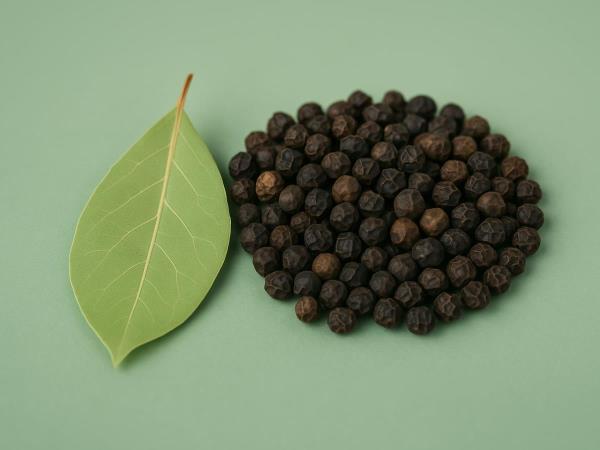
Broadly speaking, we distinguish four kinds of pepper: black, green, white and red (often sold as pink). Three of them come from the same plant, the tropical climbing vine Piper nigrum, native to the Malabar Coast of India, and the differences are mostly a matter of harvesting and processing. According to the International Pepper Community, Vietnam, Brazil, Indonesia and India are among today's leading producers.
Black pepper is made from green, unripe berries that are picked and then dried. During drying they develop their characteristic dark, wrinkled skin and sharp, pungent flavour.
Green pepper also comes from unripe green berries, but instead of being sun-dried, the corns are immediately preserved in brine, vinegar or oil, or quickly dried at a high temperature so they keep their colour. The result is fresher, milder and slightly herbal.
White pepper is made from fully ripe berries that are already turning from yellowish-green to red. They are soaked in water so that the outer skin can be removed, leaving only the pale inner seed. White pepper is less aromatic than black but has a more earthy, sometimes fermented note, and it is popular in light-coloured sauces and in Asian cooking.
And then there is red pepper, where things get a little confusing. True red peppercorns are simply fully ripened Piper nigrum berries, dried or preserved so they keep their colour – famous examples come from the Kampot region of Cambodia. However, the "red" or "pink" pepper most of us find in supermarket blends mostly comes from Central and South America and is not related to real pepper at all. It is the dried fruit of the Peruvian pepper tree (Schinus), a plant from the same family as cashews and mangoes. It is less pungent and less aromatic, with a gentle, sweet and slightly fruity taste. People with a tree-nut allergy may want to be careful with it.
An Ancient Kitchen Remedy
Pepper has been part of traditional healing systems for thousands of years. Practitioners of ancient Chinese and Indian medicine, including Ayurveda, used it to warm the body, support digestion, stimulate the appetite and ease the discomfort of coughs and colds. Traditional healers believed it had cleansing, protective properties, and it was also used in remedies for sluggish digestion and constipation.
Modern science has started to look at some of these traditional uses more closely. Much of pepper's character comes from piperine, the compound responsible for its bite. A review published in Critical Reviews in Food Science and Nutrition notes that piperine may stimulate digestive enzymes of the pancreas and shorten the time food spends in the digestive tract, and that black pepper shows antioxidant activity in a number of laboratory and animal studies. Most of this research, however, was done in labs or on animals, so it should be seen as promising rather than conclusive.
One of the best-documented effects of pepper is its ability to help the body absorb other beneficial compounds. A frequently cited study published in Planta Medica found that piperine considerably increased the absorption of curcumin, the active compound in turmeric. As Healthline explains, this is why the two spices are so often paired in Indian cooking. If you enjoy turmeric drinks, try our article Warm Water with Turmeric Against Winter Troubles – and don't forget a pinch of freshly ground black pepper.
Claims that pepper can help with weight loss or heart and artery health are also common online. While some early studies on piperine are interesting, there is no solid evidence that sprinkling pepper on your food will by itself lead to weight loss or protect your arteries. Pepper is best seen as a flavourful part of a balanced diet that can make healthier meals more enjoyable – and help you use less salt. If you're curious about its spicier cousin, read Juice with cayenne pepper that boosts metabolism.
Please note: piperine can affect how the body processes certain medications. If you take prescription medicines regularly, talk to your doctor or pharmacist before taking piperine or black pepper supplements. Using pepper normally as a seasoning is considered safe for most people.
Always Buy Whole Peppercorns
Here is a tip every cook should know: ground pepper loses its aroma very quickly, and with it much of the volatile compounds that give pepper its character. That's why it's best to always buy pepper as whole corns and grind only as much as you need, right before using it. Store peppercorns in an airtight jar, away from heat, light and moisture, and they will keep their flavour for a long time. Pepper is one of those everyday ingredients many people use without thinking – for more examples, see Foods We Use Incorrectly.
1. A Blocked Nose
When you have a cold, or when the air in your home is very dry, pepper may bring a little temporary relief. Many people notice that a generously peppered bowl of warm soup makes their nose run and their airways feel clearer within minutes. Pungent spices stimulate the nerves in the nose and mouth, which can briefly loosen mucus – the same reason hot, spicy dishes are a traditional comfort food during cold season.
Simply season your food a little more generously than usual, ideally a warm broth or soup, which adds hydration and warmth. Keep in mind that this is a comfort measure, not a cure: colds usually pass on their own, and the Mayo Clinic advises seeing a doctor if symptoms are severe, last longer than ten days or are accompanied by a high fever. People with a sensitive stomach or reflux should go easy on spicy food.
2. Helps Clothes Keep Their Colour
Some time ago, Reader's Digest shared a laundry tip for keeping clothes looking bright and new for longer. The advice is aimed mainly at dark and red garments. All you have to do is add about a teaspoon to a few tablespoons of ground black pepper to the drum along with your laundry. (Many readers also use whole peppercorns – if you do, place them in a small mesh bag so they don't get stuck in seams or the machine's filter.)
The idea behind the trick is that the slightly gritty pepper helps loosen detergent residue that can leave dark fabrics looking dull and faded. Scientific evidence for this is limited, so think of it as a harmless household experiment rather than a guaranteed solution. For best results, combine it with proven habits: wash dark clothes inside out, in cold water, and avoid overloading the machine.
3. Unwanted Night-Time Visitors
If you have uninvited guests visiting your yard or garden at night – cats digging in flower beds, for example – try sprinkling some ground pepper in the spots you'd like them to avoid. Many animals have a far more sensitive sense of smell than we do, and the sharp, irritating scent of pepper is something they tend to steer clear of.
Some gardeners report that animals learn to avoid the treated area after a while, but in practice pepper loses its strength after rain and watering, so you will usually need to reapply it from time to time. Use it sparingly and never sprinkle it directly on animals – pepper can irritate their eyes and noses. If you have pets of your own, keep them away from the treated areas.
4. Keeps Ants and Other Insects Away
Ants are among the most persistent household visitors: they can squeeze through the tiniest cracks, and there are always more of them than you think. A simple, chemical-free trick is to put some pepper in a small cup or saucer and place it where the ants are coming into your home, or sprinkle a thin line of ground pepper along windowsills and door frames. Many people find that the strong smell disrupts the scent trails ants use to find their way, encouraging them to look for another route.
Pepper won't destroy an ant colony, but as a gentle deterrent it's a useful first step – just like it was for our reader's grandmother. At the same time, remove what attracts ants in the first place: wipe up crumbs and sweet spills, and keep food in sealed containers. If the problem persists, it may be worth asking a professional for advice.
A Small Spice with a Big Story
Pepper has travelled a long way – from the ancient spice routes and royal treasuries to the grinder on your kitchen table. Whether you use it to bring out the flavour of a simple dish, to pair it with turmeric, or to try one of these old household tricks, it's clear that this everyday spice has much more to offer than we usually give it credit for. Next time you reach for the pepper grinder, remember: you're holding a little piece of history.
Information on this website is for educational purposes only and is not medical advice.
expert, nutritionist
 Would you like to be informed about news on the website?










|

