





Chestnut Spread: An Autumn Treasure From the Forest That Most People Have Never Tasted
expert, nutritionist
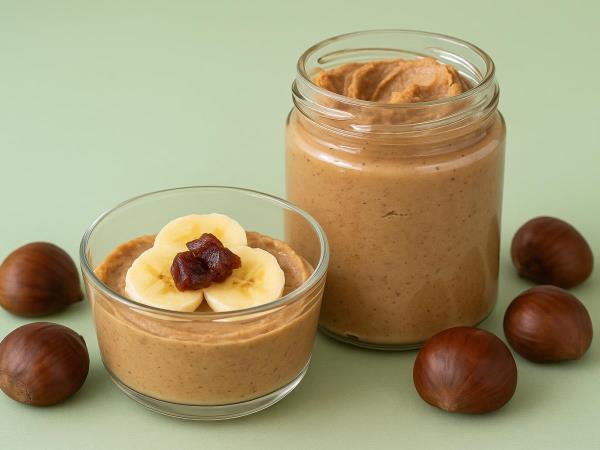
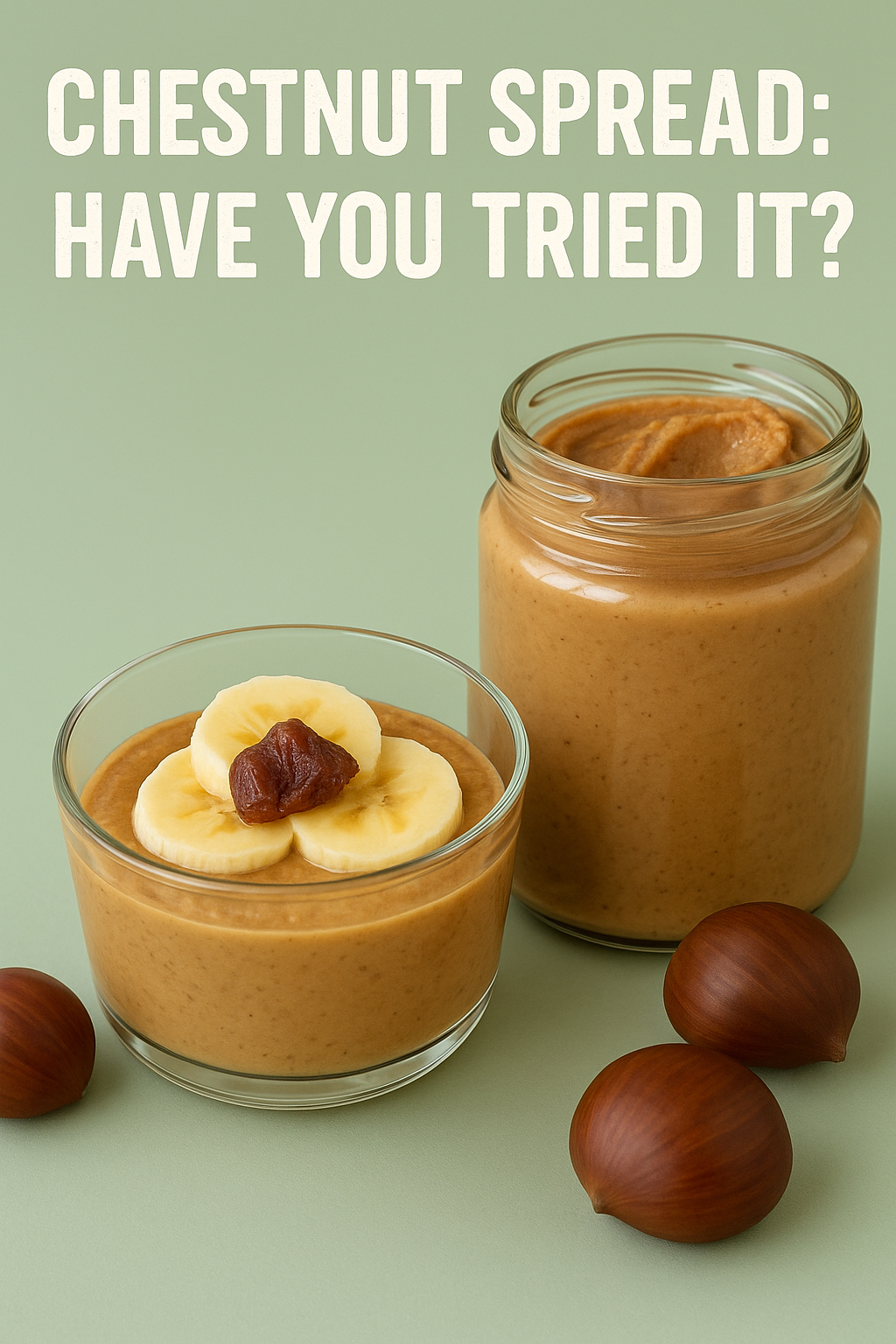
Forget expensive superfoods flown in from the other side of the world. One of the most interesting foods of the season is probably lying on the forest floor right now, wrapped in a prickly shell. Chestnuts have only about 2% fat, which makes them unlike almost any other nut, and they are among the very few nuts with noticeable vitamin C. Turned into a creamy homemade spread, they become a breakfast treat that is simple, delicious and full of fiber and antioxidants.
Chestnuts are so tied to the cold months that they inspired one of the most famous songs ever written about winter, and it was written in the middle of a heatwave. In July 1945, singer and songwriter Mel Torm{-15447} visited his writing partner Bob Wells on a sweltering California day. Wells had been scribbling lines about winter just to feel cooler, starting with chestnuts roasting on an open fire. Torm{-15447} saw the potential, and in less than an hour the two of them had written "The Christmas Song", which Nat King Cole made world-famous a year later. Torm{-15447} later said that the image of roasted chestnuts was what instantly made him feel the comfort of the season. Many of our readers describe the same feeling: one reader told us that the smell of chestnuts roasting at a market stall takes her straight back to autumn evenings at her grandmother's house, where a pan of chestnuts was the highlight of the week.
People have eaten chestnuts for centuries. For a long time, they were an important source of sweet carbohydrates (sugars and starch that give the body energy). Before grains and potatoes became everyday staples, chestnuts were highly valued because they could be gathered and stored for a long time. In mountain regions of Southern Europe, chestnuts were such a staple that the chestnut tree was often called the "bread tree", and chestnut flour was used for bread, porridge and polenta.
Today, we roast, boil and sometimes toast chestnuts, and we make desserts from them. France has its famous crème de marrons, a sweet chestnut cream first produced commercially in 1882 by Cl{-15447}ment Faugier in the Ardèche region. What is interesting, however, is that among nuts, the chestnut has a very low fat content. This means fewer calories from fat and more room for other valuable nutrients.
Nutritional value of chestnuts
Here are the concrete figures. Values vary somewhat depending on the variety and whether chestnuts are raw, boiled or roasted, so treat them as approximate. Detailed values for different forms of chestnuts can be checked in the USDA FoodData Central database.
- Energy: 100 grams of chestnuts provide around 200 calories.
- Protein (for building muscles and cells): around 2–3 g per 100 g.
- Fat is very low: only around 1.5–2 g per 100 g. For comparison, walnuts and hazelnuts contain more than 60 g of fat per 100 g.
- Carbohydrates: a whole range of starch, sugars and fiber, together around 44 g per 100 g.
- Fiber (the digestive "broom" that supports regular bowel movements): around 4–5 g per 100 g.
In addition, chestnuts contain vitamins and minerals: potassium, magnesium, copper and manganese, as well as vitamin C and several B vitamins. Another interesting fact is that the chestnut is one of the very few nuts that contains vitamin C in noticeable amounts; raw, peeled chestnuts can contain roughly 40 mg per 100 g. However, part of the vitamin C is lost during boiling or roasting, because it is sensitive to heat. This is a common story with heat-sensitive nutrients, which we also explored in our article Foods We Use Incorrectly.
How chestnuts may support your health
- A shield of antioxidants
Chestnuts contain compounds known as antioxidants. These substances help protect our cells from free radicals (unstable molecules that can damage cells). Among these compounds are gallic acid, ellagic acid, tannins and other polyphenols. A review of the European sweet chestnut published in the journal Foods, titled "Sweet Chestnut (Castanea sativa Mill.) Nutritional and Phenolic Composition Interactions with Chestnut Flavor", describes chestnuts as low in fat, cholesterol-free and gluten-free, and as a good source of vitamin C, carotenoids and phenolic compounds.
Research has found that chestnuts show a high antioxidant capacity in laboratory tests, which means they can be quite effective at "capturing" harmful molecules. A 2024 review in the journal Nutrients notes that gallic and ellagic acid, the main compounds found in chestnut extracts, showed antioxidant effects in laboratory and animal studies. It is worth remembering that results from such studies cannot be directly applied to people.
What's more, a study that examined chestnut shells (which we usually throw away), published in Food & Function, found that shells from different regions of Portugal were rich in polyphenols and vitamin E. This opens the door to using chestnut waste in useful ways in the future (for example in food ingredients or supplements). When we eat chestnuts, or a spread made from them, we get more than just calories. We also get a range of natural plant compounds that are part of a varied, protective diet.
- Support for the heart and blood vessels
Chestnuts contain a good amount of potassium, a mineral that helps the body regulate blood pressure, which is important for heart health. The American Heart Association explains that potassium-rich foods can help balance the effects of sodium. In addition, antioxidants may help limit the oxidation of "bad" LDL cholesterol (a process in which cholesterol becomes more harmful). As part of a balanced diet low in salt and rich in plant foods, chestnuts can therefore be a heart-friendly choice.
- Digestion and a feeling of fullness
The fiber in chestnuts absorbs water and adds bulk in your digestive system, while also helping food move along smoothly. Fiber can help prevent constipation and supports healthy cholesterol levels, as explained by the Mayo Clinic.
Because fiber slows digestion, it also creates a feeling of fullness, which can help you avoid reaching for snacks too soon after a meal. This can be useful if you are trying to manage your weight. If this topic interests you, read our article 3 tricks to never be hungry. Keep in mind that if you are not used to fiber-rich foods, a sudden large portion may cause a little bloating, which we wrote about in Food that makes you fat, even if it does not fatten.
- Blood sugar
For people who want to keep an eye on their blood sugar, chestnuts are an interesting food. Although they contain plenty of carbohydrates, their starch and fiber are released more gradually than the sugars in sweets or white bread, so moderate portions are less likely to cause sharp spikes in blood sugar. You can learn more about how foods affect blood sugar on the University of Sydney Glycemic Index website.
Early research suggests that antioxidants found in chestnuts (such as gallic and ellagic acid) might have a favorable effect on how cells respond to insulin, but these findings come mostly from laboratory and animal studies and still need to be confirmed in people. Anyone managing diabetes should always discuss dietary changes with their doctor or dietitian.
Why chestnuts have a place in traditional food wisdom
In traditional folk practices around the world, for example in Portugal, chestnuts were used to ease digestive discomfort (nausea, sluggish digestion), and children were often given them in a simple form (boiled). A comprehensive review by Portuguese researchers in the Journal of the Science of Food and Agriculture describes the composition of fresh and processed European chestnuts and their many potential uses.
Because chestnuts do not contain gluten (a protein found in wheat, rye and barley) and are relatively easy to digest, they can also be enjoyed by people with celiac disease or gluten sensitivity. If you follow a strict gluten-free diet, always check packaged chestnut products for possible cross-contamination; the Celiac Disease Foundation offers practical guidance.
Researchers are also studying the role of chestnut antioxidants in inflammation (the body's response to injury or invaders) and oxidative stress (an excess of free radicals). Most anti-inflammatory properties in studies have been observed in extracts of chestnut leaves and bark, not in the nuts themselves.
Of course, chestnuts are not a miracle cure and are not a substitute for medical treatment. They are simply an accessible, natural food that can be part of a healthy lifestyle.
Recipe for homemade chestnut spread
Now for the practical part: how to turn a handful of chestnuts into a delicious, wholesome, homemade spread.
Ingredients:
- 100 g peeled, cooked chestnuts (without shells)
- 50–70 g rice milk (you can also use another plant-based milk)
- 2 tablespoons honey
- 20 g flaxseed oil
- A pinch of cinnamon or a piece of vanilla bean
Preparation:
Place the chestnuts in a saucepan, pour the rice milk over them and add the cinnamon or vanilla. Cook over low heat for about 10 minutes, until the chestnuts soften. Remove from the heat and mash the chestnuts with a fork. Add the honey and flaxseed oil and blend everything with a hand blender until you get a creamy mixture. Flaxseed oil is added only after cooking because it is sensitive to heat; it is a plant source of omega-3 fatty acids.
Serve the spread with wholegrain bread or as part of breakfasts, sandwiches or pastries. Store it in a sealed jar in the refrigerator and use it within a few days.
It is a simple, quick and affordable spread that requires no expensive ingredients or complicated steps. If you are looking for more ideas on what to eat (and what to avoid) in the morning, take a look at What not to eat early in the morning (or late at night) and Why is it dangerous to eat these foods for breakfast.
Possible limitations and precautions
Vitamin C is partly lost during boiling or roasting, so the spread will not contain as much vitamin C as raw chestnuts, although some of it will remain. The amount of sugar from honey is moderate in this recipe, but it is still added sugar, so enjoy the spread in reasonable portions. Honey should never be given to babies under 12 months of age, as advised by the NHS; for little ones, simply leave it out.
Then there are allergies. If you are allergic to tree nuts or certain plants, be careful with this spread as well. People with a latex allergy should also be cautious, because chestnuts are among the foods known to cross-react with latex. If in doubt, ask your doctor or allergist first.
One more important safety note: edible sweet chestnuts (Castanea sativa) should never be confused with horse chestnuts (conkers), which are not edible and can cause poisoning. Sweet chestnuts have a husk covered in many fine, sharp spines and usually a small pointed tip on the nut, while horse chestnuts have a husk with fewer, thicker spikes and a smooth, round nut. If you are not sure, buy chestnuts at the market.
Chestnuts are not a solution for serious illnesses. They are a supportive food, not a replacement for treatment. The spread can serve as a wholesome part of a meal, a sweet touch to breakfast that also brings fiber, minerals and antioxidants.
It is worth following these tips:
- When roasting chestnuts, score them lightly (a small cross on the shell) so they don't burst while roasting.
- If you have a lot of chestnuts, cook a larger batch and store them in the freezer, where they will keep for several months.
- Don't overdo the honey when blending. Often one tablespoon is enough.
- You can also mix chestnuts into yogurt, spread them on pancakes or stir them into oatmeal. The possibilities are endless...
Start the day with nature
A breakfast with chestnut spread is not only romantic, it is also thoughtful. With a little effort and a few homemade ingredients, you have a meal that gives you energy, fiber, minerals and antioxidants.
When we start to appreciate what grows around us, we quickly realize that we don't always need to look for expensive superfoods from faraway lands. Sometimes it is enough to look under the leafy canopy, beneath the chestnut trees, and treat ourselves to something simple yet powerful. Just as two songwriters once cooled themselves down on a summer day by imagining chestnuts roasting by the fire, a jar of homemade chestnut spread can bring a little bit of autumn comfort to any morning.
Information on this website is for educational purposes only and is not medical advice.
expert, nutritionist
 Would you like to be informed about news on the website?








|

