




Grandma's Recipe That the Pharmacy Replaced: What Happens When You Eat Horseradish Every Morning?
expert, nutritionist
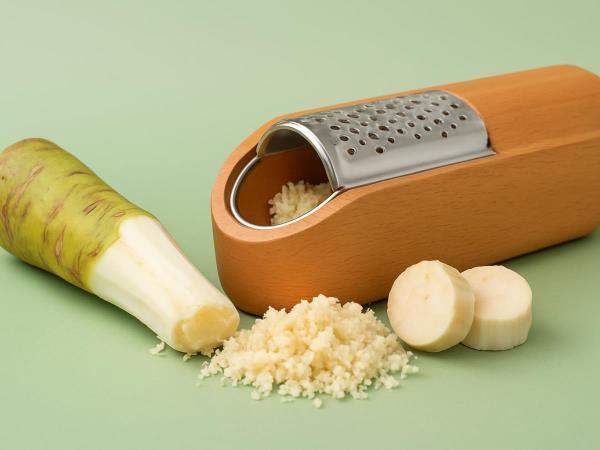
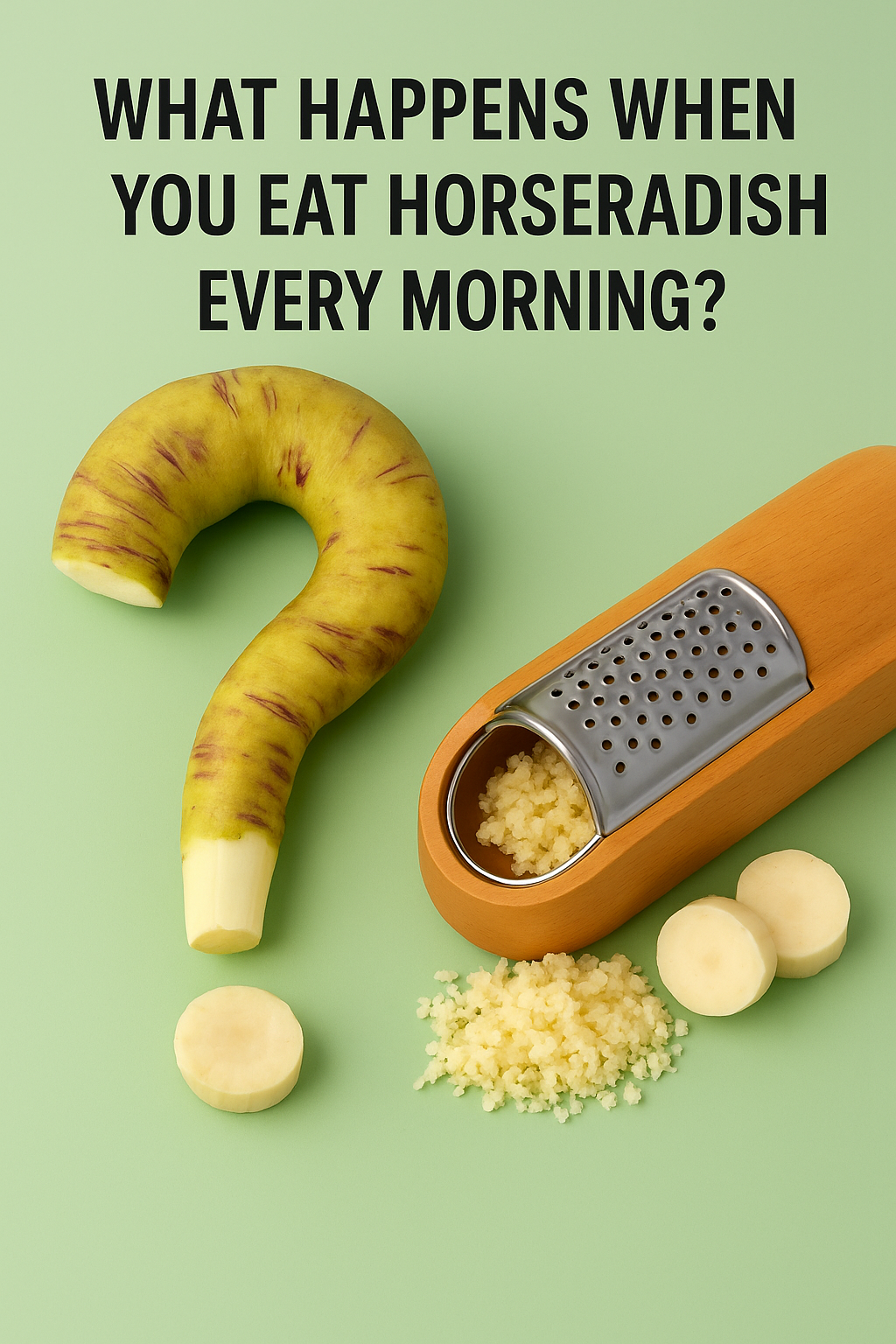
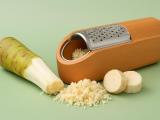
Grate a fresh horseradish root and within seconds your eyes water, your nose tingles, and your sinuses feel wide open. That sharp, almost electric sensation is no accident. It is the plant's natural defense system at work, and it is exactly why generations of grandmothers kept a horseradish root in the cellar long before cold remedies filled pharmacy shelves.
One of our readers remembers it vividly: "Every autumn my grandmother made the same mixture of grated apple, horseradish and honey. As soon as anyone in the house started sniffling, she put a small glass of it on the table before breakfast. We children made faces, but I still make it today, mostly because nothing wakes me up quite like it and because it reminds me of her kitchen." Stories like this are shared in families across Slovenia, Austria, Germany, Poland and beyond, where horseradish has been part of folk tradition for centuries.
A Root With a Remarkable Biochemical Profile
Horseradish (Armoracia rusticana) is a member of the cabbage and mustard family, and among all plants it is one of the richest natural sources of the enzyme peroxidase. In fact, horseradish peroxidase is so abundant and stable that it has become one of the most widely used enzymes in modern biochemistry and medical diagnostics (Horseradish peroxidase – Wikipedia). Folk tradition has long linked horseradish with better circulation and faster healing. These effects have not been confirmed in human studies, but they help explain why the root earned such a strong reputation.
The compounds researchers find most interesting are glucosinolates, especially sinigrin. When the root is grated, these are converted into allyl isothiocyanate, the volatile substance responsible for horseradish's famous bite (Solid Starts – Horseradish). Isothiocyanates have shown antimicrobial and antioxidant activity in laboratory studies. In Europe, horseradish root is officially recognized as a traditional herbal ingredient, and the European Medicines Agency (EMA) has assessed it for traditional use in supporting the respiratory and urinary tract.
Horseradish is considered one of the most widespread and versatile folk remedies in the world. Even the "wasabi" served in many sushi restaurants is often horseradish with green coloring, and the town of Collinsville, Illinois, is believed to grow a large share of the world's commercial crop (Specialty Produce – Horseradish Root). Traditionally, its effects were considered most noticeable when eaten in the morning, before breakfast.
How to Prepare the Traditional Morning Horseradish Drink
Take half an apple and grate it. Add freshly grated horseradish, enough to get a medium-thick mixture. This is usually about half as much horseradish as apple, or roughly 2 to 4 grams. Then add a large spoonful of honey.
The original folk recipe also calls for one deciliter (about 100 ml) of homemade wine. Older recipes insist the wine be truly homemade, with as few additives as possible, such as sulfites, which some people say give them a headache.
Our recommendation: as nutrition experts, we suggest the alcohol-free version. Replace the wine with the same amount of natural cloudy apple juice or lukewarm (not hot) water. You keep the flavor and the tradition, but skip alcohol on an empty stomach. The World Health Organization notes that there is no amount of alcohol that is completely free of risk to health.
Ingredients at a glance
- ½ apple, finely grated
- 2–4 g freshly grated horseradish root (about one level teaspoon)
- 1 tablespoon of honey
- 100 ml apple juice or lukewarm water (traditionally: homemade wine)
Tip: grate horseradish just before use and near an open window. Its aroma fades quickly once exposed to air, and the fumes can be very strong.
Why Was This Drink Traditionally Taken Before Breakfast?
In the traditional explanation, the alcohol in the wine was believed to carry nutrients into the blood more quickly. The apple and honey provide vitamins, natural sugars and pleasant flavor, while the horseradish was considered the "cleansing" ingredient. Modern nutrition sees it a little differently. The apple contributes fiber and polyphenols. The honey soothes the throat. The horseradish brings its pungent isothiocyanates, which make the drink stimulating and invigorating. Wine is not needed for any of this to work.
If you feel a cold coming on, many people find a warming, spicy drink like this comforting. Honey in particular has a good body of evidence: a review in BMJ Evidence-Based Medicine found that honey may help relieve cough and other symptoms of upper respiratory tract infections. The sharp vapors of horseradish also give many people a feeling of clearer airways. Still, this drink is best seen as a pleasant part of seasonal self-care, not as a cure for colds, flu or other respiratory illnesses. If symptoms are severe or persistent, consult your doctor.
Folk wisdom attributes many more benefits to horseradish: supporting digestion, helping keep stomach bacteria in balance, and contributing to clearer skin and healthier-looking nails and hair. Some even believe it plays a role in serious illnesses, including cancer. In reality, research on horseradish compounds is mostly limited to laboratory and animal studies, and these results cannot be applied directly to people. What we can say with confidence is that horseradish is a nutrient-dense, very low-calorie flavoring that can add variety to a balanced diet, much like other plant-based seasonings such as turmeric (read more in Warm Water with Turmeric Against Winter Troubles).
Who Should Be Careful With Horseradish?
Horseradish is powerful, and it is not suitable for everyone, especially on an empty stomach. Be cautious or ask your doctor first if you:
- have stomach or intestinal ulcers, gastritis, reflux or inflammatory bowel conditions, since the pungent compounds can irritate the digestive lining;
- have kidney problems or a thyroid condition, because cruciferous plants in large amounts may affect thyroid function;
- are pregnant or breastfeeding, as larger therapeutic amounts are not recommended for these groups;
- are preparing the drink for children under four years of age, and never give honey to babies under 12 months (NHS – Foods to avoid giving babies and young children);
- take regular medication, especially if you plan to use the traditional version with wine.
If you are sensitive to acidic or spicy foods in the morning, take the drink after a light breakfast instead. You can learn more about which foods don't suit everyone first thing in the morning in our article Why is it dangerous to eat these foods for breakfast.
The Pharmacist's Final Word
Finally, a recommendation from the pharmacy: horseradish should not be eaten in larger amounts than is appropriate in a normal diet. The difference between food and medicine lies precisely in how often we use it. A remedy has to appear on the menu rarely enough that it can still work as a remedy.
Enjoy horseradish as our grandmothers did: with respect, in small amounts, and as part of varied, wholesome meals. A spoonful with roasted meat, grated into a beetroot salad, or in an occasional morning drink with apple and honey is a delicious way to keep an old tradition alive. And if you want to discover more everyday ingredients we often use the wrong way, read Foods We Use Incorrectly.
Information on this website is for educational purposes only and is not medical advice.
expert, nutritionist
 Would you like to be informed about news on the website?







|

