





Not All Carbs Are Your Enemies – Some May Actually Help Protect Your Health
expert, nutritionist
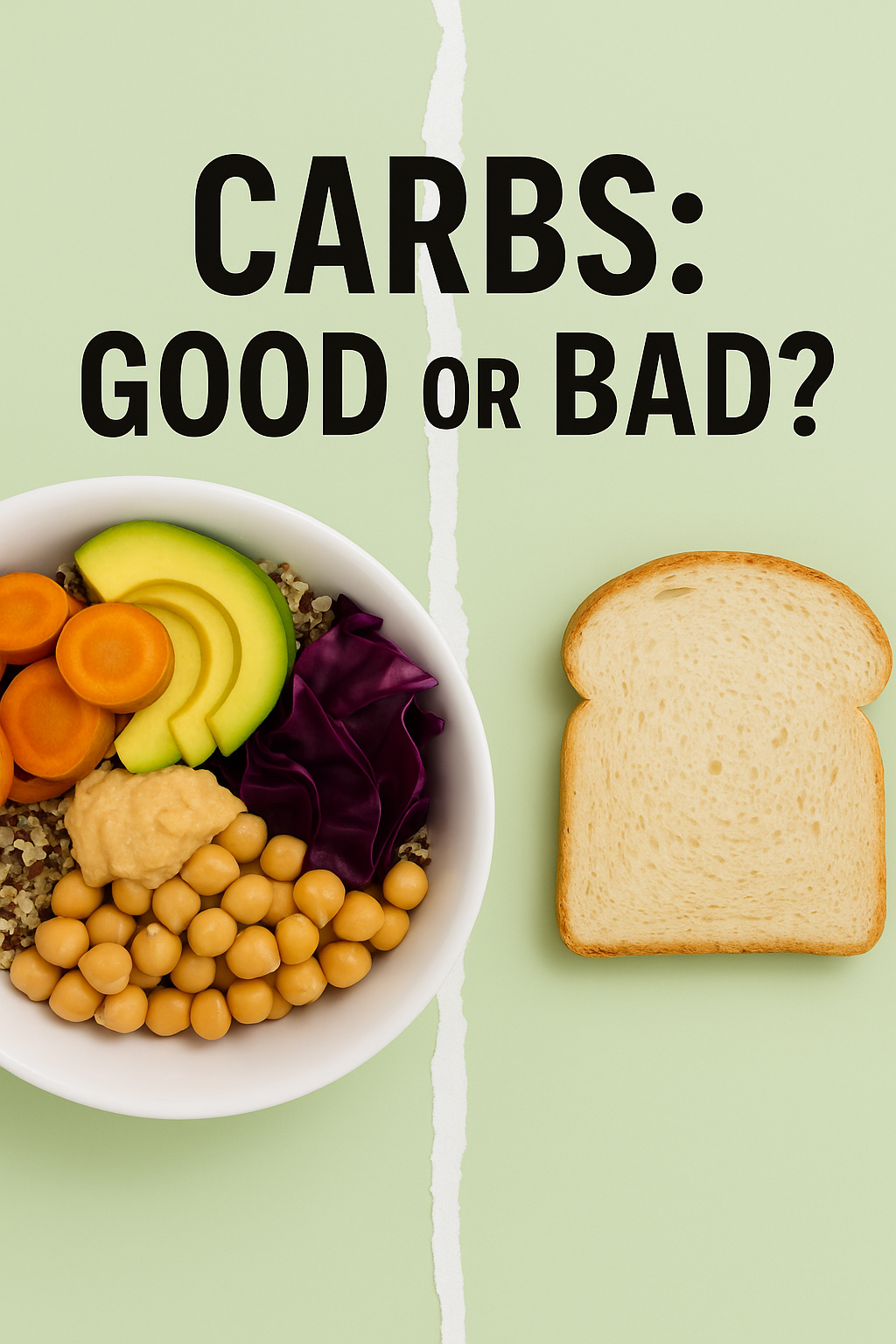
For years, carbohydrates have been treated as public enemy number one. Bread got banned from breakfast tables, potatoes vanished from dinner plates and fruit was suddenly "too sweet." But here is the twist that many diet trends skip: some of the most carb-rich foods on the planet are also among the most nutritious ones. The real question is not whether you eat carbs, but which carbs end up on your fork.
"I Love Bread!" – When a Famous Carb Confession Shook the Diet World
In January 2016, Oprah Winfrey surprised millions of followers with a short video in which she happily announced that she loves bread, eats it every single day and had still lost 26 pounds on the WeightWatchers program. Her message was simple: she did not ban bread, she simply learned to manage it. The clip went viral and nutrition experts pointed out that her experience was in line with what nutrition science has been saying for decades – carbohydrate-rich foods can be part of a balanced diet, even one aimed at weight loss.
Many of our readers describe something similar. One reader told us that after months of avoiding bread, potatoes and fruit, she felt tired, irritable and constantly craving sweets. When she brought back oatmeal, beans, lentils and a daily portion of fresh fruit – and cut back on pastries and soft drinks instead – she said her energy felt steadier and the afternoon sugar cravings slowly faded. Her conclusion: "I didn't need fewer carbs. I needed better ones."
Why Glucose Gets Such a Bad Reputation
Glucose is often listed among the most "dangerous" nutrients of modern times – but not because glucose itself is harmful. In fact, it is the body's main fuel, especially for the brain. The problem is that we eat enormous amounts of foods that are ultimately broken down into glucose, and many of them are quickly digested, highly processed and low in nutrients.
According to the Harvard T.H. Chan School of Public Health, the quality of carbohydrates matters more than the amount. Whole, minimally processed foods behave very differently in the body compared to white bread, sweets and sugary drinks.
Three Types of Carbohydrates – and Why the Difference Matters
We generally distinguish three types of carbohydrates:
Fiber is the most complex form. Our bodies cannot fully break it down, which is exactly why it is so valuable: it supports regular digestion, feeds beneficial gut bacteria and helps us feel full. A large analysis commissioned by the World Health Organization and published in The Lancet (2019) found that people who ate the most fiber and whole grains had a lower risk of several chronic conditions compared to those who ate the least. You can read more about it on Harvard's fiber overview.
Complex carbohydrates (starches) form the second group. The body needs more time and effort to break them down, so they release energy slowly and over a longer period. When they come from whole foods, they are generally considered a healthy choice and, eaten in sensible portions, are not likely to cause weight gain on their own.
Simple carbohydrates are the most problematic when eaten in excess. The body digests them quickly, so blood sugar rises fast, and the body then has to react just as quickly. Over time, a diet consistently high in added sugars and refined starches is associated with a higher risk of type 2 diabetes, high blood pressure and other metabolic problems, according to the World Health Organization. The Glycemic Index database at the University of Sydney is a useful tool to see how quickly different foods raise blood sugar.
If you want to know which everyday foods may quietly undermine your efforts, take a look at our article Hello, and Fattening: Foods that Sabotage Your Diet.
So Where Can You Find Healthy Carbohydrates?
The carbohydrate values below are approximate and based on data from the USDA FoodData Central database.
1. Fruit
Fruit does contain a lot of natural sugars (mainly fructose), but they come packaged together with minerals, vitamins, antioxidants and fiber. Because of these additional benefits, it is a good idea to eat at least one cup of fresh fruit a day, and you can swap a sugary snack for half a cup of dried fruit. The USDA MyPlate guidelines recommend around 1.5 to 2 cups of fruit per day for most adults.
Whole fruit is the key word here. A large study published in The BMJ (2013), which followed more than 180,000 adults, found that higher consumption of whole fruits such as blueberries, grapes and apples was linked to a lower risk of type 2 diabetes, while higher fruit juice consumption was linked to a higher risk.
- One medium banana contains about 27 grams of carbohydrates
- One medium apple contains about 25 grams of carbohydrates
- One cup of grapes contains about 27 grams of carbohydrates
Tip from a nutritionist: pair fruit with a handful of nuts or a spoonful of yogurt. Protein and fat slow down digestion, so the natural sugars are released more gradually. Timing also matters – read why some foods are better avoided first thing in the morning in Why is it dangerous to eat these foods for breakfast.
2. Starchy Vegetables
Nutritionists advise eating 2 to 3 cups of vegetables a day (see MyPlate vegetable recommendations), but it is worth keeping an eye on starchy ones. To put it simply: instead of a large portion of potatoes, try replacing part of it with the same amount of cauliflower, broccoli or bell peppers. Starchy vegetables are not "bad" – they simply carry more energy, so portion size matters.
- One medium sweet potato contains about 24 grams of carbohydrates
- One cup of corn contains about 41 grams of carbohydrates
How you prepare them makes a big difference, too. Baked or boiled sweet potato with its skin is a very different meal from deep-fried fries. Our article Foods We Use Incorrectly shows how preparation can change the value of everyday ingredients.
3. Beans and Legumes
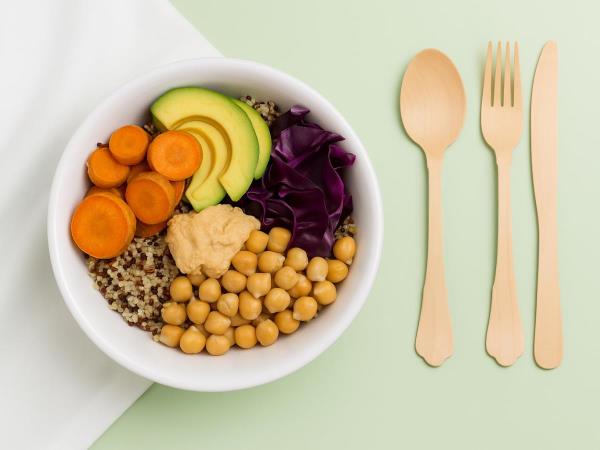
Beans and legumes are a true nutritional package: they contain protein, antioxidants, fiber and slowly digested starch. According to the Harvard Nutrition Source, regular legume consumption is associated with better blood sugar control and healthier cholesterol levels. It is no coincidence that beans are a daily staple in the so-called Blue Zones – regions of the world where people tend to live exceptionally long lives.
- 1/2 cup of cooked black beans contains about 20 grams of carbohydrates
- 1/2 cup of cooked chickpeas contains about 23 grams of carbohydrates
- 1/2 cup of cooked lentils contains about 20 grams of carbohydrates
Tip: if beans make you feel bloated, introduce them gradually, rinse canned beans well and soak dried ones overnight. For more ideas, read Get Rid of Bloating and Excess Water.
4. Whole Grains
Unrefined whole grains such as brown rice, quinoa, barley and whole grain bread are rich in carbohydrates, but also in fiber, iron, magnesium, selenium and especially B vitamins. A meta-analysis published in The BMJ (2016) found that people who ate more whole grains had a lower risk of heart disease and premature death. The USDA MyPlate guidelines suggest making at least half of your daily grains whole grains, and Harvard's whole grains guide explains how to recognize them on food labels.
- 1/2 cup of cooked brown rice contains about 23 grams of carbohydrates
- 1/2 cup of cooked quinoa contains about 20 grams of carbohydrates
- One slice of whole grain bread contains about 13 grams of carbohydrates (moderation is key – for most people, a few slices a day are plenty)
Whole grains are also a smart replacement for the refined, ultra-processed foods that many experts warn against – find out which ones in 5 Foods That Shorten Your Lifespan.
How to Put Healthy Carbs on Your Plate – Simple Everyday Swaps
- Swap white bread for whole grain or sourdough rye bread
- Replace part of the rice or pasta in a dish with lentils or chickpeas
- Choose whole fruit instead of fruit juice
- Start your day with oatmeal instead of a sweet pastry
- Fill half your plate with non-starchy vegetables, a quarter with protein and a quarter with whole grains or starchy vegetables
The Bottom Line
Carbohydrates are not the villains they are often made out to be. Fruit, legumes, whole grains and vegetables bring fiber, vitamins and minerals that support overall well-being, while sweets, white flour products and sugary drinks are the ones worth limiting. As Oprah's story shows, it is not about banning a whole food group – it is about choosing wisely and enjoying it in balance.
Information on this website is for educational purposes only and is not medical advice.
expert, nutritionist
 Would you like to be informed about news on the website?















|

