




Spinach: The Humble Green That Quietly Supports Energy and Blood Health
expert, nutritionist
You've felt it before: that heavy, sluggish afternoon where even climbing a flight of stairs feels like a chore. For many people, that feeling isn't just "being tired" — it can be the body quietly flagging a shortage of two minerals it depends on every single day: iron and magnesium. And one of the few everyday vegetables that offers a meaningful amount of both, in a single serving, is spinach.
When Carrie Ann Inaba couldn't figure out why she was so exhausted
Dancing with the Stars judge and TV host Carrie Ann Inaba has spoken publicly about a period when she was dealing with intense fatigue, brain fog, body aches, and heart palpitations — and couldn't work out why. After several doctor's visits and blood tests, she was diagnosed with iron deficiency anemia (IDA), a condition that affects an estimated five million adults in the United States alone. "Once I was diagnosed, it's like I got my life back," she later said. Her experience is a useful reminder that fatigue with no obvious cause is worth asking questions about — and that everyday nutrition, alongside proper medical advice, plays a supporting role in how we feel day to day.
Why iron and magnesium matter so much for how you feel
Slowed-down, "foggy" days are rarely about willpower — they're often about biochemistry. Iron and magnesium are two of the minerals most consistently linked to energy metabolism. According to the National Institutes of Health Office of Dietary Supplements, iron is essential for carrying oxygen through the blood, and low levels are commonly associated with tiredness, weakness, and difficulty concentrating. Magnesium, meanwhile, is involved in hundreds of biochemical reactions in the body, many of them tied to how efficiently cells produce and use energy.
There's also a lesser-known connection worth mentioning gently: some research has observed that low iron status can make thyroid-related symptoms — like fatigue, sluggishness, and feeling cold — more pronounced, since iron plays a role in thyroid hormone production. Massey University nutrition researchers note that while iron deficiency isn't considered a primary cause of thyroid problems, it can make an existing issue feel worse. This is exactly the kind of thing worth flagging to your doctor rather than trying to self-diagnose — but it does help explain why "just eat more" often isn't the full answer people are looking for.
Worth noting: this isn't about a single vegetable "fixing" fatigue or thyroid issues — persistent tiredness always deserves a proper conversation with a doctor and, where relevant, a blood test. Food is a supporting piece of the puzzle, not a substitute for medical care.
Where spinach fits in
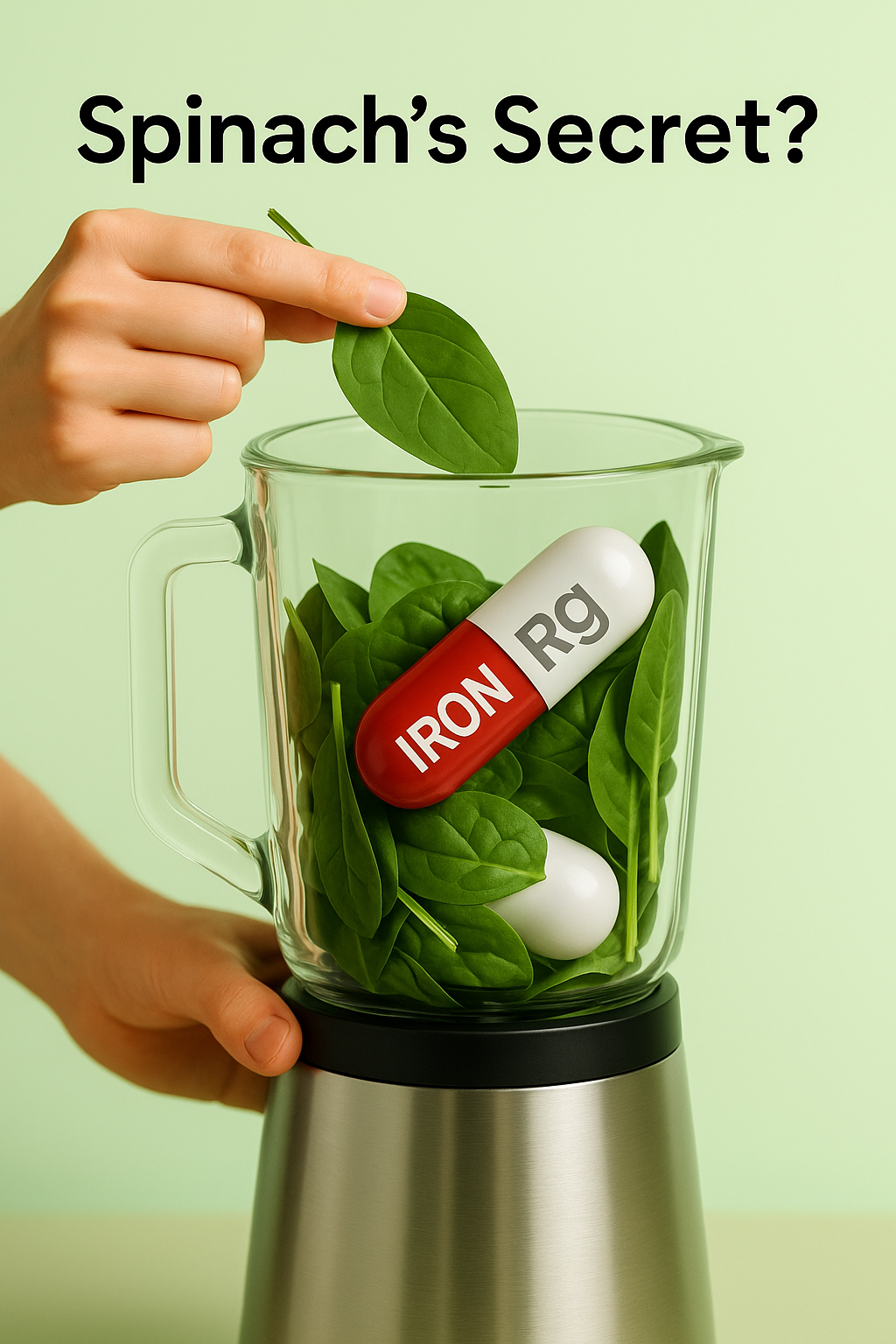
This is where spinach earns its reputation. It's one of the few common vegetables that delivers a meaningful dose of both iron and magnesium in the same serving. According to USDA FoodData Central, a cup of cooked spinach provides roughly a third of the daily recommended magnesium intake, along with a solid contribution toward daily iron needs. That combination — rather than either mineral alone — is part of why nutritionists often point to spinach specifically rather than just "eat more greens" in general.
One honest caveat: spinach's iron is non-heme iron, the plant-based form, which the body absorbs less efficiently than the iron found in meat. That's not a reason to skip it — it's a reason to pair it smartly (more on that below).
Raw or cooked — both have a place
The good news is you don't need to overthink preparation. Both raw and cooked spinach contribute nutritionally, though cooking does concentrate some nutrients simply because the leaves shrink down, meaning you end up eating more spinach by volume for the same-sized bowl. Light steaming is generally considered the gentlest method for preserving nutrients.
A simple green juice worth trying
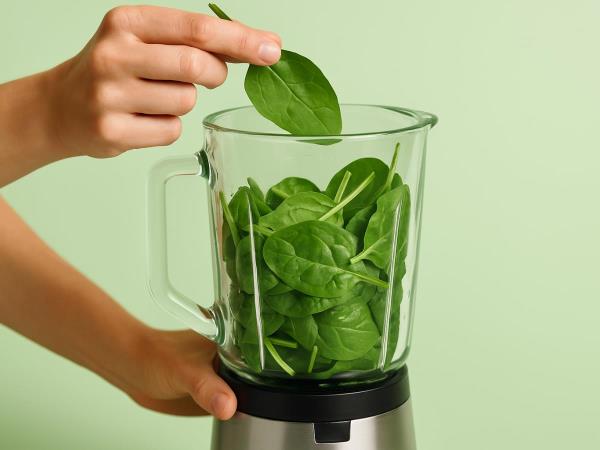
If you enjoy spinach raw, blending it into a juice with ginger and celery is a popular combination — it balances spinach's earthy taste with ginger's warmth and celery's freshness, and it's an easy way to work more greens into a busy day.
And here's a small correction worth making: contrary to some old kitchen advice, a splash of lemon juice is actually a good idea, not something to avoid. Vitamin C is well known to improve the body's absorption of non-heme iron — the type found in spinach — so pairing the two can genuinely help you get more out of the meal, rather than working against you.
The bottom line
Persistent fatigue, low mood, or that "running on empty" feeling can have many causes, and it's always worth ruling out an underlying issue with your doctor first. But as an everyday habit, working more spinach into your meals — raw, cooked, or blended — is a simple, low-effort way to support your intake of two minerals your body relies on constantly. It won't work miracles overnight, but small, consistent choices like this one tend to add up.
Information on this website is for educational purposes only and is not medical advice.
expert, nutritionist
 Would you like to be informed about news on the website?















|

