



Sugar, Salt, and Pasta: The Everyday Foods That May Be Quietly Undermining Your Hair
Genetics and stress get most of the blame for thinning hair — but what's regularly on your plate may be playing a bigger supporting role than most people realize. Note: the connections below are associations seen in research, not guaranteed causes, and hair loss always has multiple contributing factors.
You reach for a soda instead of water. You twirl another forkful of spaghetti. Small, forgettable choices — except that a growing body of nutrition research suggests some of the most ordinary items in a typical diet are quietly linked to faster hair shedding.
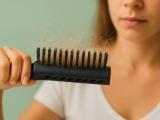
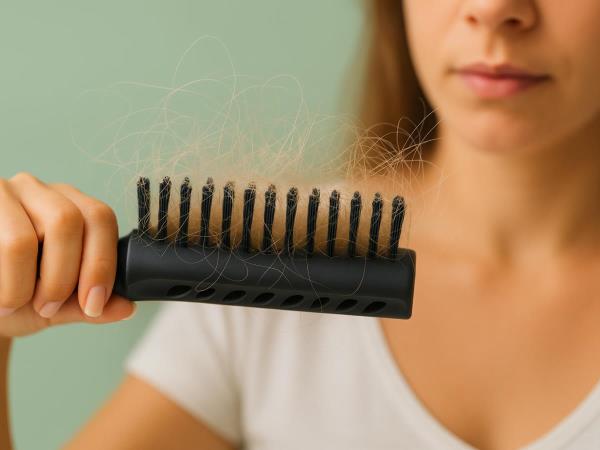
One reader who shared her experience in a hair-health forum put it simply: after cutting back on sugary drinks and salty snacks for a few months, she noticed her hairbrush wasn't filling up nearly as fast. Her experience lines up with what several nutrition studies have started to document — even if, as with most diet-and-hair research, no single food can be blamed on its own.
Hair loss is driven by many factors at once — genetics, hormones, stress, and yes, diet. A diet that's low in vitamins and minerals doesn't just fail to support hair growth; it can also add to overall bodily stress, which is itself a known trigger for shedding. With that in mind, here are six everyday foods and habits worth watching if hair loss is a concern for you.
1. Fatty Fish (in Excess)
Fish is rich in omega-3 fatty acids, which generally support skin and scalp health. But fattier fish varieties are also relatively high in zinc, and unusually high zinc intake has been associated with hair thinning in some studies. This doesn't mean fish is bad — vitamin A research shows that balance, not elimination, is what matters with nutrients tied to hair. Most nutritionists still recommend two to three fish meals a week for overall health; the concern is really about very heavy, daily consumption of the fattiest cuts.
2. Sugar
Of everything on this list, sugar has the strongest research backing. A 2023 study from Tsinghua University in Beijing, published in the journal Nutrients, followed over 1,000 young men and found that those who drank sugar-sweetened beverages more than seven times a week had a substantially higher rate of male pattern hair loss than those who rarely drank them (Tsinghua University's summary of the study; also covered by Dermatology Times). The researchers point to elevated blood sugar affecting hair follicles through a pathway also implicated in diabetes-related complications. Sugar is also linked more broadly to inflammation and elevated cortisol, the stress hormone, which independently pushes hair into its resting (shedding) phase, as this overview of the sugar–hair connection explains. As with most diet research, the study shows an association, not proof that sugar alone causes baldness — but it's a reasonable place to start cutting back.
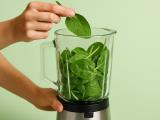
3. Aggressive Detoxing and Excess Green Tea
Rapid, intensive "cleanses" put real physiological stress on the body, and hair follicles are notably sensitive to stress — a sudden internal shake-up can trigger a temporary increase in shedding weeks later. Green tea itself is generally considered beneficial in moderate amounts, but very high intake (several cups a day, especially alongside fasting or restrictive cleanses) can add to that stress load rather than relieve it. If you enjoy detox routines, easing into them gradually is gentler on your whole system, hair included.
4. Not Enough Vitamin A
Vitamin A supports the scalp's oil (sebum) production and plays a role in the hair growth cycle. But this is a nutrient where both too little and too much can cause problems: a genuine deficiency is associated with hair thinning, while over-supplementing — something far more common than deficiency in developed countries — can itself trigger hair loss, according to a review of vitamin A's effects on hair follicles. The safest route is getting vitamin A from food (carrots, bell peppers, leafy greens, and orange or yellow produce generally) rather than supplements, unless a doctor has confirmed an actual deficiency.
5. Refined Pasta and White Carbs
Refined pasta breaks down quickly into simple sugars once digested, which means a plate of it can have effects on blood sugar similar to a sugary drink. Diets consistently high in refined carbohydrates, and correspondingly lower in protein, may leave hair follicles — which are largely built from protein — without enough raw material to sustain a normal growth cycle. Swapping in whole-grain pasta some of the time, and pairing carbs with a protein source, is a simple way to soften this effect.
6. Too Much Salt
This one is more contested than the others. The idea that salt directly causes hair loss is common online but isn't well supported by direct research — hair-loss specialists frequently list it as more myth than proven fact. What is established is that a high-sodium diet can affect microvascular circulation over time, including in the skin (this study on dietary sodium and skin blood vessel function), and good circulation to the scalp is generally considered supportive of healthy hair. So while a specific "percentage increase" in hair loss from salt isn't something the research actually shows, moderating sodium is a reasonable habit for circulation and blood pressure regardless.
The Bottom Line
No single food on this list will make or break your hair on its own, and if you're experiencing noticeable or sudden hair loss, it's worth mentioning to a doctor or dermatologist rather than relying on diet changes alone — there can be underlying causes, like thyroid issues or iron deficiency, that diet won't fix. That said, a diet lower in added sugar and refined carbs, with balanced (not excessive) intake of fish, vitamin A-rich produce, and reasonable sodium, is a sensible foundation — good for your hair, and for the rest of you too.
Information on this website is for educational purposes only and is not medical advice.
 Would you like to be informed about news on the website?