





Chocolate, Potatoes, Pasta and Rice Aren't the Enemy - Here's What the Science Actually Says
expert, nutritionist
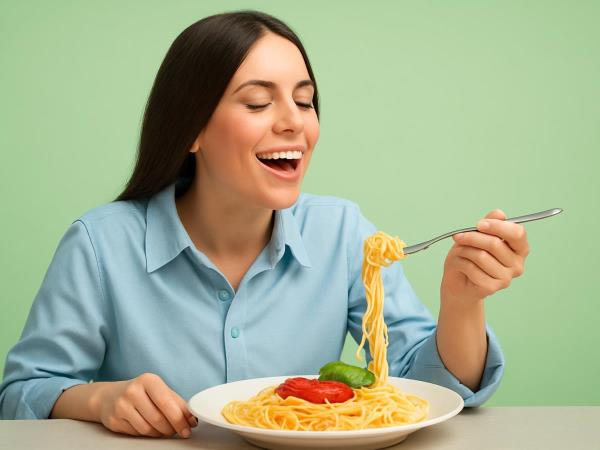
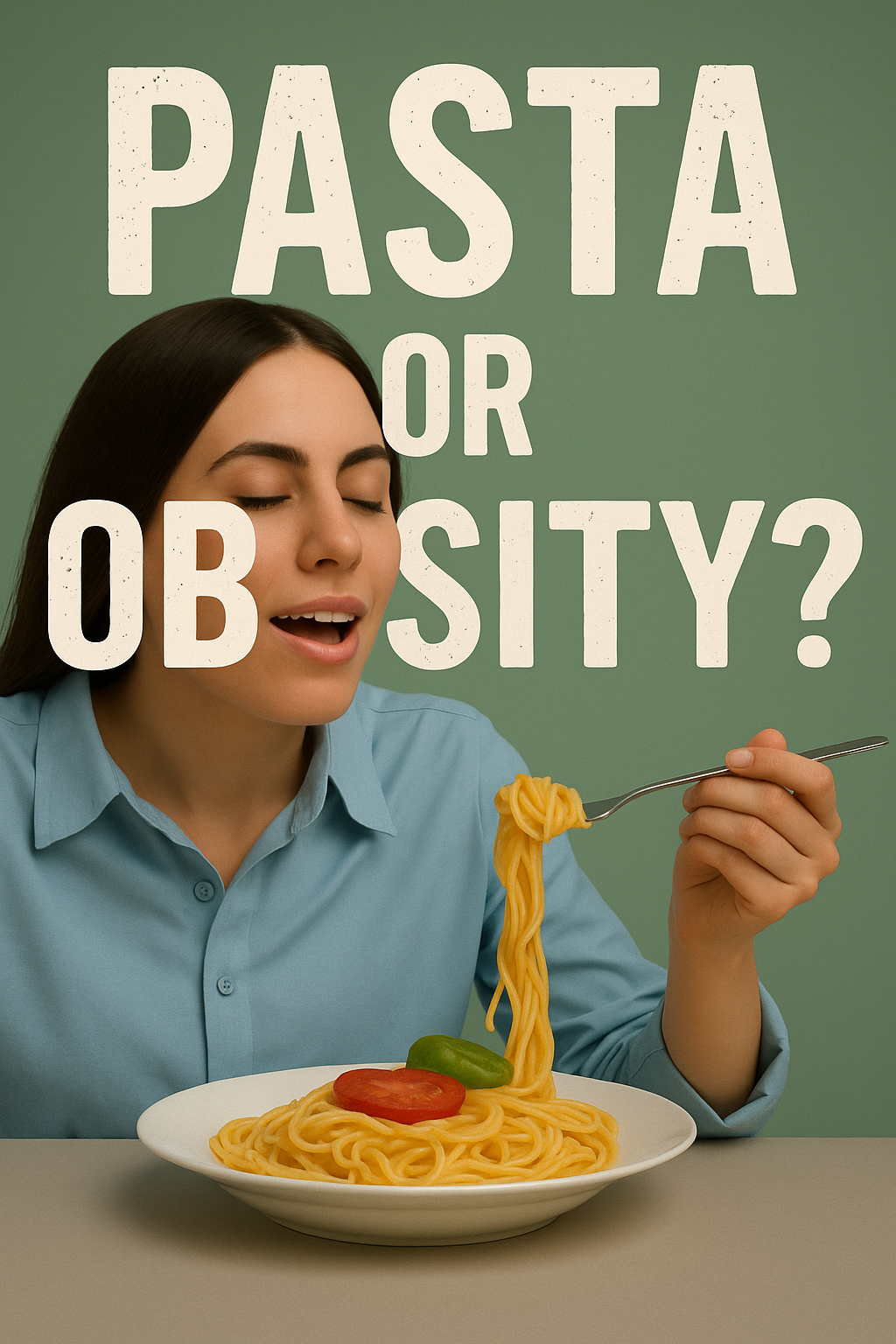
Before every Olympic final, Michael Phelps famously fuelled up on a pound of pasta a meal — twice a day. His now-legendary training diet, built around thousands of calories from pasta, rice and pancakes, wasn't a guilty indulgence — it was the fuel behind 23 Olympic gold medals. It's a reminder that carbohydrate-rich staples aren't automatically "bad" foods; for most of us, the real question is simply how much, and how they're cooked.
When people talk about eating healthily, the conversation often jumps straight to restriction — salads, green juices, obsessive calorie counting. As if "healthy" could only ever mean deprivation. The reality is far more forgiving: several foods that regularly land on people's personal "avoid" lists can, when chosen and prepared thoughtfully, be a genuinely useful part of a balanced diet — and may even take some of the guilt and stress out of eating.
Chocolate, potatoes, pasta and rice have all picked up a reputation as "waistline wreckers." Yet a growing body of nutrition research — and plenty of everyday experience — suggests that, eaten in sensible portions and prepared simply, none of these foods deserve a permanent ban. Nutrition organisations such as the British Heart Foundation have long pointed out that it's excess calories overall — not carbohydrates themselves — that drive weight gain, and that carbohydrate-rich foods are meant to supply roughly half our daily energy.
Let's take a closer look at each of these four foods, along with a few old-fashioned tricks, and see why there's no real reason to give them up.
Chocolate: A Sweet Ally for Mood and Heart Health
There's a reason people say "a square of chocolate can save a bad day." Dark chocolate — particularly varieties with 70% cocoa solids or higher — contains compounds that are thought to support the release of mood-related brain chemicals, including serotonin and endorphins, which is part of why it has such a strong reputation as a comfort food.
A clinical study conducted by researchers at the Nestl{-15447} Research Center and published in the American Chemical Society's Journal of Proteome Research found that people who felt highly stressed and ate around 40 grams of dark chocolate daily for two weeks showed measurably lower levels of stress-related hormones by the end of the trial. It's an interesting early signal — not proof that chocolate treats stress — but it does help explain chocolate's long-standing reputation as a mood-lifter.
Dark chocolate is also a genuinely useful source of magnesium, a mineral involved in hundreds of processes in the body, from muscle and nerve function to energy metabolism. A nutritional analysis published in the International Journal of Food Sciences and Nutrition found that chocolate made with 90% cocoa can contain over 250 mg of magnesium per 100 g — a meaningful contribution to the roughly 300–400 mg most adults need each day.
There's also preliminary evidence that cocoa flavonoids — the antioxidant plant compounds concentrated in dark chocolate — may support healthy blood pressure, though this effect is modest and shouldn't be relied on as a treatment for hypertension; anyone managing blood pressure should still follow their doctor's advice.
None of this is a green light to eat a whole bar. A square or two a day of dark chocolate is enough to enjoy these potential benefits without overdoing the sugar and fat that also come along with it.
Potatoes: An Old Staple That's More Nutritious Than Its Reputation Suggests
Say "potato" and most people picture French fries, crisps or a butter-laden mash. But the potato itself — before any deep fryer gets involved — is a genuinely nutrient-dense food that has fed generations across Europe and helped stave off famine for centuries.
A 100 g serving of boiled potato contains around 80–90 calories — less than the same amount of cooked rice or pasta — along with a useful dose of vitamin C, vitamin B6, manganese, and potassium. Potassium is particularly important for blood pressure regulation, since it helps the body flush out excess sodium.
A randomised controlled trial from researchers at Purdue University, published in the journal Nutrients, tested whether the potassium in potatoes could make a measurable difference to blood pressure in pre-hypertensive and hypertensive adults. Over the course of the controlled feeding study, participants eating baked or boiled potatoes daily saw a noticeably greater drop in systolic blood pressure than those on the control diet — and interestingly, potatoes reduced the body's sodium retention even more effectively than a potassium supplement did. It's a small study, so the findings shouldn't be over-interpreted, but they do challenge the idea that potatoes belong on a heart-healthy "avoid" list.
Older generations used potatoes as home remedies, too: slices placed on the forehead to bring down a fever, or potato water sipped to soothe an upset stomach. Modern medicine has better tools for both today, but the folk wisdom reflects just how central — and trusted — this humble tuber has long been.
The healthiest way to enjoy potatoes is simply baked or boiled rather than fried, ideally with the skin on and seasoned with herbs like rosemary or thyme rather than doused in oil. Sweet potatoes are a good alternative too, offering beta-carotene alongside a somewhat lower calorie count.
Pasta: Fuel for Energy and Mood, Not a Diet Wrecker
Pasta often gets blamed simply for "being all carbs." But carbohydrates are the body's — and especially the brain's — primary fuel source. Cut them out entirely and energy levels and concentration tend to suffer.
One of the most striking pieces of evidence against pasta's bad reputation comes from Italy itself. Researchers at the IRCCS Neuromed Institute analysed the diets of more than 23,000 people as part of the Moli-sani and INHES studies and published their findings in the journal Nutrition & Diabetes. Contrary to popular belief, pasta consumption was associated with a lower body mass index, smaller waist circumference and a better waist-to-hip ratio — not a higher one. Lead author George Pounis summed it up plainly: enjoying pasta as part of a balanced diet is linked to a healthier body composition, not a heavier one.
Pasta itself is low in fat and salt, and its complex carbohydrates release energy gradually, helping keep you satisfied for longer. The catch is what typically comes with it: it's the cream sauces, the mountains of cheese, and oversized portions that pile on the calories — not the noodles themselves. Pair pasta with olive oil, fresh vegetables and a modest amount of parmesan, and you've got a genuinely balanced meal.
Italy itself is a useful case study here: pasta remains a daily staple there, yet portion sizes tend to be modest and it's almost always served alongside vegetables and olive oil rather than as the whole meal — a pattern that likely explains a lot.
Rice: More Than Just a Side Dish
Rice feeds more than half the world's population, yet in much of Europe it's treated as an afterthought — a bland side rather than a food worth choosing deliberately. That's a missed opportunity, particularly when it comes to whole-grain varieties.
Brown and wild rice retain the bran and germ that are stripped away during the milling of white rice, which means they hold onto significantly more fibre and protein. That fibre matters for more than digestion — it also appears to play a role in long-term metabolic health.
A large prospective study led by researchers at the Harvard School of Public Health, published in the Archives of Internal Medicine, followed nearly 200,000 people over up to 22 years. It found that replacing white rice with brown rice was associated with a meaningfully lower risk of developing type 2 diabetes — the researchers estimated that swapping just one-third of a typical daily serving of white rice for brown rice corresponded to roughly a 16% lower risk. It's an observational study, so it shows an association rather than direct proof of cause and effect, but the pattern was consistent and statistically robust across a very large group of people.
In traditional home remedies, rice water — the starchy water left over from cooking rice — was often given to children with an upset stomach to help settle it and replace lost fluids. It's a simple example of how people have long relied on these everyday staple foods for more than just calories.
Foods You Don't Need to Cut Out Without Good Reason
Chocolate, potatoes, pasta and rice are frequently — and often unfairly — treated as diet villains. In reality, prepared thoughtfully and eaten in reasonable portions, they can be a genuinely nourishing, enjoyable and budget-friendly part of a balanced diet.
Healthy eating isn't really about elimination — it's about smarter choices. Bake your potatoes instead of frying them. Reach for dark chocolate instead of milk chocolate. Toss your pasta with olive oil and vegetables rather than a heavy cream sauce. Swap white rice for a whole-grain variety when you can. Small swaps like these go a long way — no need for extreme restriction.
Information on this website is for educational purposes only and is not medical advice.
expert, nutritionist
 Would you like to be informed about news on the website?












|

