


When Garden Spinach Meets Meatballs: A Creamy Baked Casserole That Will Surprise You
expert, nutritionist
Picture this: it's a weeknight, you're tired, and the last thing you want is a sink full of pots. Then this casserole comes out of the oven — bubbling, golden on top, filling the kitchen with garlic and toasted parmesan — and suddenly dinner feels like something worth looking forward to. That's the quiet magic of this dish. It looks like it took effort. It didn't.
One home cook who shared this recipe in an online LCHF community described it as the meal that finally got her kids to eat a full plate of spinach without a single complaint — "they just see cheese and meatballs, I know what's hiding underneath." It's a small story, but it's the kind that makes a recipe worth keeping in the rotation: comfort food that happens to be built on real vegetables and real protein.
Why Spinach and Meatballs Actually Work So Well Together
Spinach has a bit of a mixed reputation. It's famous as an iron-rich "strength food" (thank Popeye for that one), but the truth is more nuanced. Spinach does contain iron, though the non-heme iron found in leafy greens is absorbed by the body far less efficiently than the heme iron found in meat — research comparing kale, spinach, and beef-based meals has consistently found heme iron from meat is absorbed considerably more efficiently than the non-heme iron in vegetables. That's actually one reason this recipe works so well nutritionally: pairing spinach with ground meat in the same dish means you get the vegetable's fiber, folate, and vitamin K alongside a more bioavailable source of iron.
Spinach's calcium and iron are also partly bound by naturally occurring oxalates, which can limit how much of those minerals your body actually absorbs. A well-known study on calcium absorbability from spinach found that calcium from spinach is absorbed far less readily than calcium from dairy — which is a nice coincidence, since this recipe already leans on cream and parmesan for its calcium. Cooking and blanching the spinach, as this recipe does, also helps: heat breaks down a portion of the oxalic acid, which is one reason cooked spinach is generally considered easier for the body to make use of than raw spinach.
Ingredients
Serves approximately 4
- 500 g (about 1 lb) fresh spinach
- 500 g (about 1 lb) ground meat (beef, pork, or turkey all work well)
- 300 g (about 1¼ cups) cooking cream
- 1 egg
- 1 small onion
- 2 garlic cloves
- A small bunch of fresh parsley
- 1/2 teaspoon dried oregano
- A pinch of nutmeg
- 50 g (about 1/2 cup) grated parmesan
- Salt and pepper, to taste
- Olive oil, for frying
Method
- Finely chop the onion and saut{-15447} it in olive oil until soft and translucent.
- Add the saut{-15447}ed onion to the ground meat, along with the crushed garlic, chopped parsley, oregano, and egg. Season with salt and pepper, mix thoroughly, and shape into walnut-sized meatballs.
- Quickly sear the meatballs on all sides in olive oil over high heat — they don't need to cook through yet, just develop a light crust.
- Wash the spinach and blanch it briefly in boiling water. Drain, cool, and roughly chop.
- Mix the chopped spinach with the cooking cream, a crushed garlic clove, a pinch of nutmeg, salt, and pepper.
- Pour the spinach mixture into a baking dish and nestle the meatballs into it, side by side. Gently press down so the meatballs are mostly covered by the sauce, then scatter the grated parmesan on top.
- Bake in a preheated oven at 200°C (390°F) for about 20 minutes, until the meatballs are cooked through and the top is beautifully golden. Leave it a minute or two longer if you want a deeper, crispier crust.
How to Serve It
This casserole is hearty enough to stand on its own, but a side of polenta is a classic, comforting match — especially useful if you want to stretch the meal for a bigger family dinner. If you're following an LCHF approach, a simple cauliflower mash is the better fit, keeping the whole plate low in carbohydrates while still feeling indulgent.
Fits Naturally Into Gluten-Free and LCHF Eating
Because this recipe leans on meat, eggs, cream, cheese, and a leafy green vegetable — and skips flour, breadcrumbs, and added sugar entirely — it's naturally gluten-free and lines up well with low-carb, high-fat (LCHF) principles, which generally emphasize whole foods like meat, eggs, full-fat dairy, and above-ground vegetables while limiting refined carbohydrates. If you're new to this style of eating, it's worth reading up on what a balanced LCHF plate looks like before making it a regular habit, and checking in with a doctor or dietitian if you have any underlying health conditions, since low-carb eating isn't a one-size-fits-all approach.
A Few More Reasons to Love the Ingredients
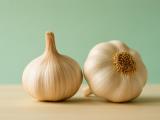
Garlic does a lot of quiet work in this dish beyond flavor. It's traditionally associated with cardiovascular support, and while much of that reputation comes from folk use, there is a real body of research looking at garlic's compounds — you can read more about how allicin behaves in this look at foods we often use incorrectly, including garlic, or about why a humble garden herb like garlic can rival meat in iron content.
If you enjoyed the spinach side of this recipe, it's worth exploring more ways to use it — from green smoothie combinations built around spinach to other simple spinach-based drinks that make it easy to work more greens into your week. And if the LCHF angle appealed to you, this dessert built on the same principles — an avocado-based Sri Lankan-inspired treat — is a nice low-carb finish to a meal like this one.
Information on this website is for educational purposes only and is not medical advice.
expert, nutritionist
 Would you like to be informed about news on the website?












|

