


When the kidneys suffer silently
expert, nutritionist
More than 850 million people worldwide are estimated to live with some form of kidney disease, and diet is one of the few factors we can actually influence. Growing research suggests that a diet rich in fruit and vegetables may help support healthy kidney function — though it is not a substitute for medical care.
Every single day, without a break and without complaint, your kidneys filter almost 50 liters of blood and remove more than 1.5 liters of waste and excess fluid through urine. They're each about the size of a fist, yet they quietly perform one of the most important jobs in the entire body. Most of us never think about them — until something goes wrong. And one of the things that can quietly work against them is something most people don't expect: the everyday food on their plate.
It's a lesson the world learned in a very public way in 2017, when actress and singer Selena Gomez revealed she had undergone a kidney transplant after complications from lupus, an autoimmune condition that can attack the kidneys. Her best friend, actress Francia Raisa, donated the organ that saved her life. Gomez's story, shared by the National Kidney Foundation, put a global spotlight on how easily kidney problems can develop out of sight — and how much value there is in protecting kidney health long before a crisis hits.
What does "acid load" actually mean?
When a diet leans heavily on meat, cheese, eggs, and refined white-flour products, it places extra demands on the body. These foods tend to have what nutrition scientists call a high "dietary acid load" — after digestion, they leave behind by-products that push the body's internal chemistry toward the acidic side. The body has natural buffering systems to manage this, largely by balancing acids and bases. But when that acid load stays elevated for a long time, it can add ongoing strain to the kidneys, whose job it is to clear the excess.
Clinically, this is described as metabolic acidosis — a state in which the body struggles to keep blood pH within its normal narrow range. Because the kidneys are the organs responsible for clearing surplus acid, prolonged strain of this kind is one of several factors researchers associate with declining kidney function over time.
According to the Global Kidney Health Atlas, published by the International Society of Nephrology, an estimated 850 million people worldwide are living with some form of kidney disease. In Europe, roughly one in ten adults already shows signs of reduced kidney function. Contributing factors commonly cited by researchers include poor diet, low physical activity, chronic stress, dehydration — and, notably, insufficient intake of fruit and vegetables.
What does the research actually show?
One of the more striking pieces of evidence comes from a clinical trial published in the Clinical Journal of the American Society of Nephrology by researchers Nimrit Goraya and Donald Wesson at Texas A&M College of Medicine. They followed 71 people with advanced (stage 4) chronic kidney disease and high blood pressure for a full year, comparing two approaches to reducing dietary acid: one group added more fruit and vegetables to their meals, while the other took an oral alkaline medication (sodium bicarbonate). After a year, both groups showed a similar easing of metabolic acidosis — meaning the fruit-and-vegetable approach performed comparably to medication in this specific, monitored trial. That doesn't mean food can replace treatment; it simply shows how directly what's on your plate can influence this particular marker of kidney strain, always under a doctor's guidance.
What is the "alkalizing effect"?
This refers to the way certain foods behave in the body after digestion, acting as a mild counterbalance to acidic by-products. Foods often cited for this effect include spinach, broccoli, bananas, apples, avocado, lemons, cucumber, and melon. Interestingly, lemons — despite tasting sour — are metabolized in a way that has an alkalizing rather than acidifying effect.
This is also why sodium bicarbonate, a simple compound familiar from baking, is sometimes prescribed by doctors to help offset more severe acidosis. For most people, though, leaning on fresh, seasonal, nutrient-dense produce is a gentler and more sustainable everyday approach — always as a complement to, not a replacement for, medical advice.
How much fruit and vegetables is considered enough?
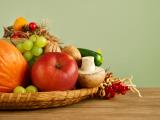
The World Health Organization's long-standing general guidance recommends at least 400 grams of fruit and vegetables a day, roughly five servings. That doesn't mean living on salad. In practice it can be as simple as an apple or banana in the morning, a portion of cooked vegetables at lunch, a vegetable-based soup in the evening, and a small handful of nuts as a snack.
A large analysis from Harvard T.H. Chan School of Public Health, published in the journal Circulation, followed more than 100,000 people for up to 30 years and combined the results with 24 other studies covering roughly two million people worldwide. It found that eating around two servings of fruit and three servings of vegetables a day — five in total — was linked to a 13% lower risk of death from any cause compared with eating only two servings a day, along with a 12% lower risk of death from cardiovascular disease. Notably, eating more than five servings a day wasn't linked to any further benefit, and not all produce counted equally: starchy vegetables like corn and potatoes, along with fruit juice, showed weaker associations than leafy greens and vitamin-C-rich fruit.
Fruit and vegetables are also a natural source of fiber, vitamins, and minerals that support the kidneys' filtering work. Potassium, found in bananas and tomatoes, plays a role in blood pressure regulation, while magnesium supports muscle function and is associated with a lower likelihood of kidney stone formation — as explored in A garden herb that surpasses pork steak in iron content – and you most likely already have it at home, which looks at parsley's role in easing kidney stone discomfort, and in One-ingredient smoothie for a specific problem, which highlights carrot juice as a kidney-friendly staple.
What does the data say about low intake?
A large U.S. government-backed study analyzing health records from more than 14,700 adults, run by the CDC using NHANES and US Renal Data System data and published by the CDC's Division of Diabetes Translation, followed participants for up to 20 years. It found that, compared with people who ate the most fruit and vegetables, those eating fewer than two servings a day had up to a 45% higher likelihood of developing kidney failure over the follow-up period, with the risk decreasing step by step as intake increased. A similar pattern held true even among people who already had moderate-to-severe chronic kidney disease.
What happens when intake stays low for years?
A consistent shortfall of fruit and vegetables can mean the kidneys quietly carry more of a burden than they need to. Many people don't notice anything is off until symptoms like lower back discomfort, fatigue, swelling in the legs, or elevated blood pressure appear — symptoms that are easy to mistake for simply getting older or being stressed, when diet may also be playing a role.
When acid by-products build up in the body over a long period, it can eventually contribute to a more pronounced form of kidney-related acidosis, in which the kidneys struggle to clear acids efficiently. This is associated with increased fatigue, muscle loss, bone discomfort, and accelerated wear on internal organs — which is exactly why catching things early, through diet and regular check-ups, matters so much.
Everyday habits that support your kidneys
What's good for the liver and digestive system tends to be good for the kidneys too. A few simple, evidence-informed habits worth considering:
- A warm vegetable soup a few times a week — leek, carrot, celery, and pumpkin are gentle, kidney-friendly staples, similar to the approach in 4 ingredients for joints you probably have at home, which uses cucumber and pineapple for a comparable cleansing effect.
- Herbal teas such as nettle or dandelion, traditionally associated with supporting circulation and kidney function, though robust clinical evidence in humans is still limited.
- A meat-free day once a week, giving the kidneys and liver a lighter metabolic load.
- Being mindful of very high, sustained protein intake, which some research — including findings discussed in High-protein diets are dangerous for health — links to a higher risk of kidney stone formation over time.
The takeaway
If you're looking for one genuinely evidence-backed habit to protect your long-term health, making room for more fruit and vegetables on your plate is hard to beat. It doesn't require exotic superfoods flown in from across the world — everyday apples, beets, carrots, broccoli, and cabbage are already nutritional powerhouses. Your kidneys are likely to thank you. So will your heart, liver, digestion, and skin.
Next time you sit down to eat, it's worth asking: have I given my kidneys enough plant-based nutrition today?
Information on this website is for educational purposes only and is not medical advice.
expert, nutritionist
 Would you like to be informed about news on the website?













|

