




Date: 04/25/2026 - GOOD TO KNOW
The forgotten drink for a long life without disease
AUTHOR:
Zvone Stor
expert, nutritionist
expert, nutritionist
Maybe you don’t like whey because of its taste, but once you find out how beneficial it is for your health, you’ll want to drink it every day.
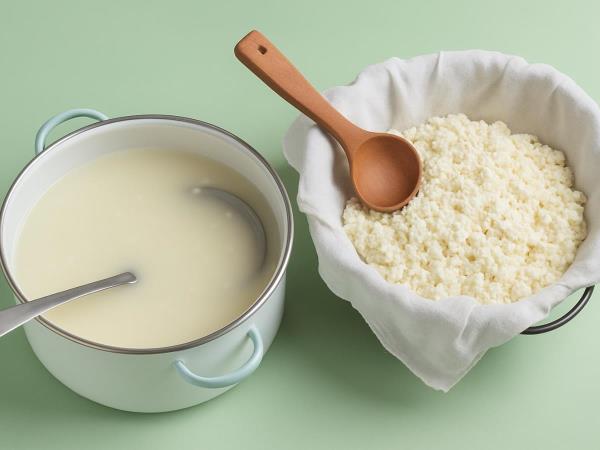
Whey has been used as a natural remedy since ancient times and can help you with various health problems. It’s the liquid that remains after cheese is made, when milk curdles and is strained. It’s a byproduct, but it contains many useful nutrients. In composition, it’s similar to mother’s milk, so it’s suitable for all ages, even for infants as a milk substitute.
Composition and nutritional values
Whey contains less than 1% protein and more than 93% water. It contains important minerals such as potassium, sodium, magnesium, phosphorus, iron, zinc, copper, cobalt, manganese, and molybdenum, as well as many valuable enzymes and amino acids. One hundred grams of whey contains only 26 calories, so it’s recommended for people who watch their diet.
Healing properties of whey
Goat whey is recommended, but cow whey is also good. Besides drinking, whey is also used for skin and hair care, and in the preparation of baked goods, desserts, smoothies... It’s not recommended to drink more than 1.5 dl of whey three times a day at the start; over time, this dose can be increased to 1 liter a day. Regular consumption of whey can contribute to better well-being, increased vitality, and a longer life without diseases.
So consider incorporating whey into your daily diet.
Information on this website is for educational purposes only and is not medical advice.
Composition and nutritional values
Whey contains less than 1% protein and more than 93% water. It contains important minerals such as potassium, sodium, magnesium, phosphorus, iron, zinc, copper, cobalt, manganese, and molybdenum, as well as many valuable enzymes and amino acids. One hundred grams of whey contains only 26 calories, so it’s recommended for people who watch their diet.
Healing properties of whey
- Liver detoxification
A clean liver is key to good health. Whey is a powerful remover of toxins and helps with cirrhosis, enabling a longer and better quality of life. In addition, whey is used against chronic fatigue, stress, obesity, high blood pressure, decreased immunity, stomach problems, candida...
- Immune system support
Whey contains lactoferrin, which has antimicrobial properties and helps fight infections. It also contains immunoglobulins that strengthen the immune system.
- Help with weight loss
Whey is low in calories and rich in protein, which means it makes you feel full and helps with weight loss. In addition, it stimulates fat metabolism.
- Improves digestion
Whey contains probiotics that help regulate intestinal flora and improve digestion.
- Reduction of inflammation
Whey has anti-inflammatory properties that help reduce inflammation in the body, which is beneficial for various chronic diseases.
Goat whey is recommended, but cow whey is also good. Besides drinking, whey is also used for skin and hair care, and in the preparation of baked goods, desserts, smoothies... It’s not recommended to drink more than 1.5 dl of whey three times a day at the start; over time, this dose can be increased to 1 liter a day. Regular consumption of whey can contribute to better well-being, increased vitality, and a longer life without diseases.
So consider incorporating whey into your daily diet.
Information on this website is for educational purposes only and is not medical advice.
Author:
Zvone Stor
expert, nutritionist
expert, nutritionist
 Would you like to be informed about news on the website?
Just enter your e-mail
Whey benefits for health
Whey nutritional values
Whey healing properties
Whey immune system support
Whey weight loss benefits
Latest news

Why Do You Always Wake Up at the Same Time? Your Body Might Be Trying to Tell You Something
Read more >>


French Fries and Your Brain: What an 11-Year Study of 140,000 People Found About Fried Food and Mood
Read more >>

Selenium: The Tiny Mineral Your Body Can't Live Without — And Can Absolutely Have Too Much Of
Read more >>

A Spoonful of Coconut Oil on an Empty Stomach: The Quiet Morning Habit So Many People Swear By
Read more >>


Anemia on Your Plate: The Everyday Foods Quietly Helping — Or Sabotaging — Your Iron Levels
Read more >>

Why the Humble Egg Might Just Be Your Diet's Secret Weapon: 5 Reasons Nutritionists Keep Coming Back To
Read more >>


Yogurt, Banana or Citrus for Breakfast? Why Some "Healthy" Foods Can Backfire on an Empty Stomach
Read more >>



Why the Scale Won't Budge, Even On a Diet: The Overlooked Mineral Almost Nobody Talks About
Read more >>


Interaktive Widgets:
|

