




A Spoonful of Coconut Oil on an Empty Stomach: The Quiet Morning Habit So Many People Swear By
expert, nutritionist
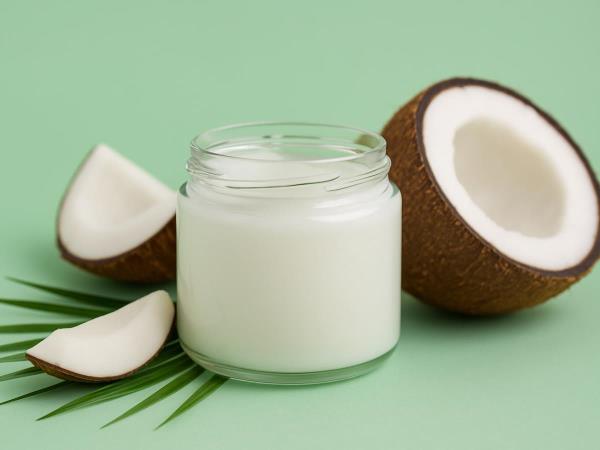
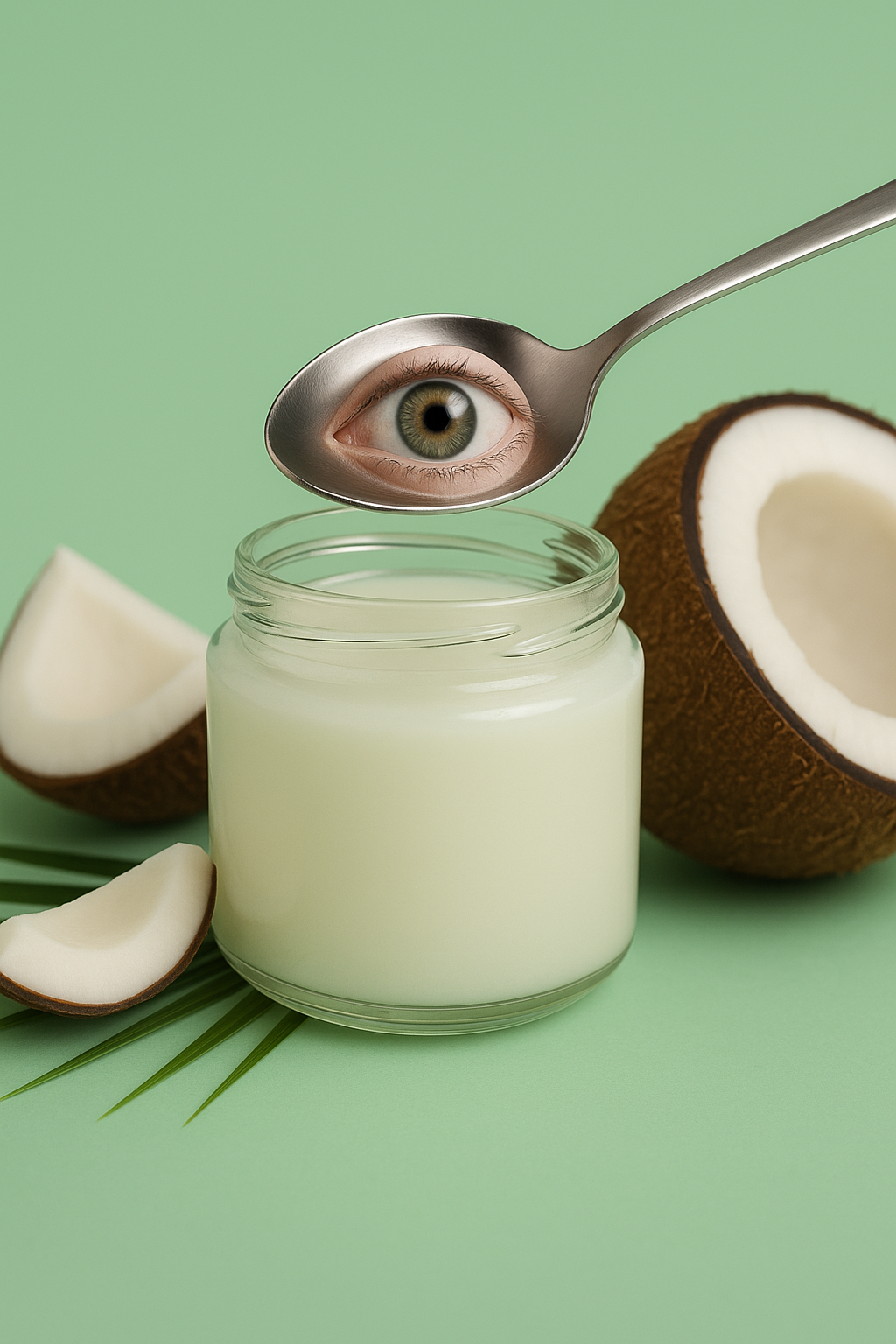
Long before it turned up in smoothies and skincare routines, coconut oil was simply a kitchen staple across the tropics. Today it has a second life as a wellness ritual: a spoonful swallowed straight, on an empty stomach, before anything else touches the plate. Fans say it wakes up digestion, curbs the mid-morning munchies, and leaves them feeling lighter. Nutrition researchers are more cautious, and it's worth knowing what's actually been tested before building a habit around it.
Even celebrities have taken up spoon-based coconut oil rituals, if not quite the fasting version. Wellness entrepreneur and actress Gwyneth Paltrow has spoken about starting her mornings with a version of the Ayurvedic practice of oil pulling — swishing a tablespoon of raw coconut oil in her mouth as a way to remove bacteria, an old technique rather than a clinically proven treatment (Everything Gwyneth Paltrow Eats in a Day). Other public figures, including supermodel Miranda Kerr, have described eating several tablespoons of coconut oil a day for its taste and texture, though dietitians who reviewed her routine cautioned that the oil is a high-calorie saturated fat with few vitamins or minerals and shouldn't be consumed in large amounts on the strength of anecdote alone (Experts Doubt Coconut Oil Will Give You a Body Like Miranda Kerr). These stories explain why the habit caught on — but they're personal experiences, not evidence of a universal effect.
Coconut oil has a mild, appealing aroma, a small amount of water content, and a distinctive fatty-acid profile dominated by medium-chain fatty acids such as lauric acid. Those characteristics are exactly why it has attracted so much research interest — and so much overreach in how that research gets reported. Here's a closer, more grounded look at what a daily spoonful may and may not do.
1. A Possible (Modest) Ally for Weight Management
You'll often see it claimed that a teaspoon or two of coconut oil on an empty stomach can meaningfully reduce daily calorie intake. The reality from clinical research is more mixed. A review from University College Cork examined the media enthusiasm around coconut oil and weight loss and concluded that there is a lack of consistent evidence linking coconut oil to satiety or weight loss, and called for longer, better-controlled trials before drawing firm conclusions (They say coconut oil can aid weight loss, but can it really?). A separate controlled study that compared coconut oil, true MCT oil, and a control vegetable oil found that MCT oil reduced later food intake, while coconut oil performed no differently from the control oil (Coconut oil has less satiating properties than medium chain triglyceride oil). In short: some people do report feeling fuller after a spoonful, but it isn't a proven fat-burning shortcut, and it shouldn't replace an overall balanced diet.
2. A Trimmer Waistline? Treat This One as Anecdotal
Stories about a shrinking waistline after a week of daily coconut oil are common in online forums, and a handful of small studies have looked at whether coconut oil affects abdominal fat differently from other oils, with inconsistent results. It's a claim worth holding loosely rather than expecting as a guarantee — individual results vary widely, and any change in waist size is far more reliably linked to overall calorie balance, activity levels, and diet quality than to a single ingredient. It's also worth remembering that coconut oil is a concentrated source of saturated fat, and major cardiovascular health bodies have urged moderation around saturated fat intake generally (more on that below).
3. Eating a Little Less, Without Really Trying
Some people who build the habit over several days say their appetite settles down and they naturally reach for smaller portions. This lines up loosely with the idea that fat intake can influence short-term fullness signals, though — as the research above shows — coconut oil specifically hasn't been shown to do this more effectively than other oils. If you notice this effect yourself, it may be a genuinely useful part of a broader eating pattern; just don't expect it as a guaranteed outcome from the oil alone.
4. Supporting Digestion, in Moderation
Coconut meat and coconut oil do contain a genuinely interesting nutritional package — minerals, some vitamins, and, in the whole fruit, fibre and modest protein. That said, no single food, including coconut, supplies everything the body needs on its own, and it's best thought of as one flavourful fat option among many rather than a complete food. Some of its fatty acids, particularly lauric acid, have been studied for effects on gut bacteria balance, which is a promising but still-developing area of research (see the anti-inflammatory section below).
5. Nutrient Absorption: A Fat-Soluble Boost, With Caveats
Dietary fat in general helps the body absorb fat-soluble vitamins (A, D, E, and K) and certain plant compounds like carotenoids from vegetables eaten in the same meal — this is well established nutrition science, though the effect isn't unique to coconut oil specifically. Pairing a small amount of any healthy fat with a vegetable-rich meal is a reasonable, low-risk way to get more out of your produce.
6. Lauric Acid and Its Anti-Inflammatory Reputation
This is where the science gets genuinely interesting. Coconut oil is unusually rich in lauric acid, a medium-chain fatty acid studied for antimicrobial and anti-inflammatory properties. Laboratory and animal research has found that lauric acid can inhibit the growth of certain gut pathogens and reduce inflammatory markers in infection models (Lauric Acid Is an Inhibitor of Clostridium difficile Growth in Vitro). Separate lab research has also linked lauric acid to antibacterial activity against skin bacteria involved in acne (Pharmacological properties of virgin coconut oil). These are early-stage, mostly lab-based findings rather than proof that eating coconut oil treats or prevents inflammation, infection, or disease in people — so it's best to see this as a promising research thread, not a medical claim.
7. A Quick, if Modest, Source of Energy
Because medium-chain fatty acids are absorbed and processed by the liver faster than most other dietary fats, coconut oil is sometimes described as an easy energy source, similar in spirit to the interest around MCT oil in ketogenic and endurance-sport circles. It's a reasonable, food-based way to add energy-dense fat to a meal — just not a substitute for balanced eating or, despite the enthusiasm of some fans, a replacement for sleep, hydration, or an actual energy drink when you genuinely need a fast lift.
A Word of Caution: More Isn't Better
It's tempting to think that if a little coconut oil is good, more must be better — but that's not how saturated fat works. Coconut oil is roughly 82% saturated fat, and in 2017 the American Heart Association issued a presidential advisory reviewing decades of research on dietary fat and heart disease; it concluded that replacing saturated fat with unsaturated fat reduced cardiovascular disease risk by roughly 30% across randomized trials, a reduction comparable to cholesterol-lowering medication, and specifically advised against relying on coconut oil as a "healthy" fat given its saturated-fat content (Dietary Fats and Cardiovascular Disease: A Presidential Advisory). It's worth noting that this advisory has also drawn pushback from some nutrition scientists and coconut-industry researchers who argue coconut oil's effects differ from those of animal fats — the science here is genuinely still debated, so moderation, rather than either extreme, is the sensible middle ground.
Some wellness sources circulate body-weight-based dosing charts for coconut oil (a teaspoon or two for smaller frames, up to several teaspoons for larger ones). These figures aren't backed by clinical guidelines, so it's better to think in general terms: a teaspoon or so a day is a modest, low-risk amount for most healthy adults, while several tablespoons daily pushes well past what most cardiovascular health guidance considers prudent for saturated fat intake. If you have cholesterol concerns, heart disease risk factors, or any other health condition, it's worth discussing coconut oil's place in your diet with a doctor or registered dietitian rather than following a generic chart.
Quality also matters. Independent laboratory testing by ConsumerLab found that the coconut oil and MCT products it evaluated were not contaminated with heavy metals and were not rancid, which is reassuring for reputable brands (ConsumerLab: Best Coconut Oil and MCT Oil Review). A separate comparative laboratory analysis of imported versus local coconut oil samples found that heavy-metal and pesticide-residue levels in both were several times lower than international safety limits (Comparative assessment of different coconut oils: pesticide residues and toxic heavy metals). Choosing a virgin, cold-pressed, minimally processed coconut oil from a reputable brand remains the simplest way to avoid unwanted additives.
The Bottom Line
A spoonful of coconut oil on an empty stomach is a pleasant, low-risk habit for most healthy adults, and it may genuinely support a feeling of fullness or digestive comfort for some people — but the more dramatic claims around fast weight loss, targeted belly-fat melting, or disease-fighting power go well beyond what the current research supports. Enjoy it as one flavourful fat among many, keep portions modest, choose a good-quality virgin oil, and treat any bigger health goals as a conversation for your doctor or a registered dietitian rather than a spoon.
Information on this website is for educational purposes only and is not medical advice.
expert, nutritionist
 Would you like to be informed about news on the website?















|

