


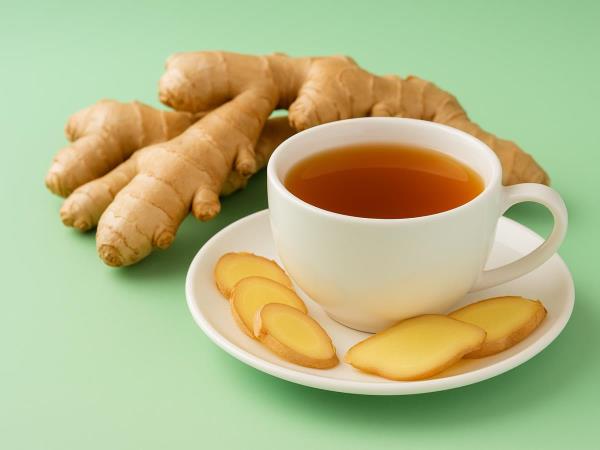


Stop Throwing Away Ginger Peel: The Simple Spoon Trick That Keeps More of the Good Stuff
expert, nutritionist
When Italian researchers compared the skin and the flesh of the same ginger roots, they got a surprising result. The extract made from the peel had about twice the polyphenol content of the extract made from the flesh. Yet that thin, papery skin is exactly what most of us slice off and throw in the bin, often taking a good chunk of the root with it.
Before you start eating ginger skin by the handful, there's one catch. This was laboratory work on extracts, not a study of people eating ginger. In the same study, the flesh extract actually showed stronger antioxidant and anti-inflammatory activity in the test tube. So the peel isn't a miracle, but it's also not something you need to throw away. Let's start at the beginning.
Why is ginger so special?
Ginger is often called a root, but botanically it's a rhizome, an underground stem of a tropical plant that people have grown for thousands of years. India is by far the biggest producer today. According to FAO-based data, it grew around 2.33 million tonnes of fresh ginger in 2024, close to 48% of global output. Nigeria, China, Nepal and Indonesia are also major growers.
Ginger has a long history in folk medicine. Traditionally, people have used it:
- to settle nausea, especially during pregnancy and while travelling,
- to help with heavy, hard-to-digest meals,
- for aching muscles and joints,
- to clear a stuffy nose,
- as a "warming" spice for circulation,
- as a pick-me-up for energy,
- to support the body during the cold season.
Modern science hasn't confirmed all of these uses, but it has identified hundreds of compounds in ginger. The best known is gingerol, which gives fresh ginger its sharp bite. When ginger is dried or cooked, gingerol gradually turns into related compounds: shogaol, found in dried ginger, and zingerone, found in cooked ginger. In laboratory studies, ginger compounds have shown antimicrobial and anti-inflammatory activity. That's promising, but it doesn't mean ginger works like an antibiotic or a painkiller in the human body.
The human evidence is more modest. A meta-analysis of five randomized, placebo-controlled trials in people with osteoarthritis found that oral ginger produced a small but statistically significant reduction in pain. The US National Center for Complementary and Integrative Health notes that much of this research is of poor quality, and that applying ginger to the skin hasn't been shown to help.
The biggest ginger mistake: the peel
Now to the heart of the matter. If you've always peeled ginger with a knife or a vegetable peeler, you're far from alone. The problem is that this method often removes not just the skin but also a layer of the flesh underneath.
Why does it matter? Polyphenols are natural substances that plants produce partly to protect themselves. In our diet, many of them act as antioxidants. They help neutralize free radicals, the unstable molecules our bodies produce during normal metabolism. Stress, smoking, air pollution and ageing can all add to that load.
In addition to the Italian study above, a 2023 study from Egypt found that a hot-water extract of ginger peel showed promising antioxidant and antibacterial activity in the lab. Neither study shows what happens when you eat the peel, but together they suggest the skin is worth keeping rather than wasting.
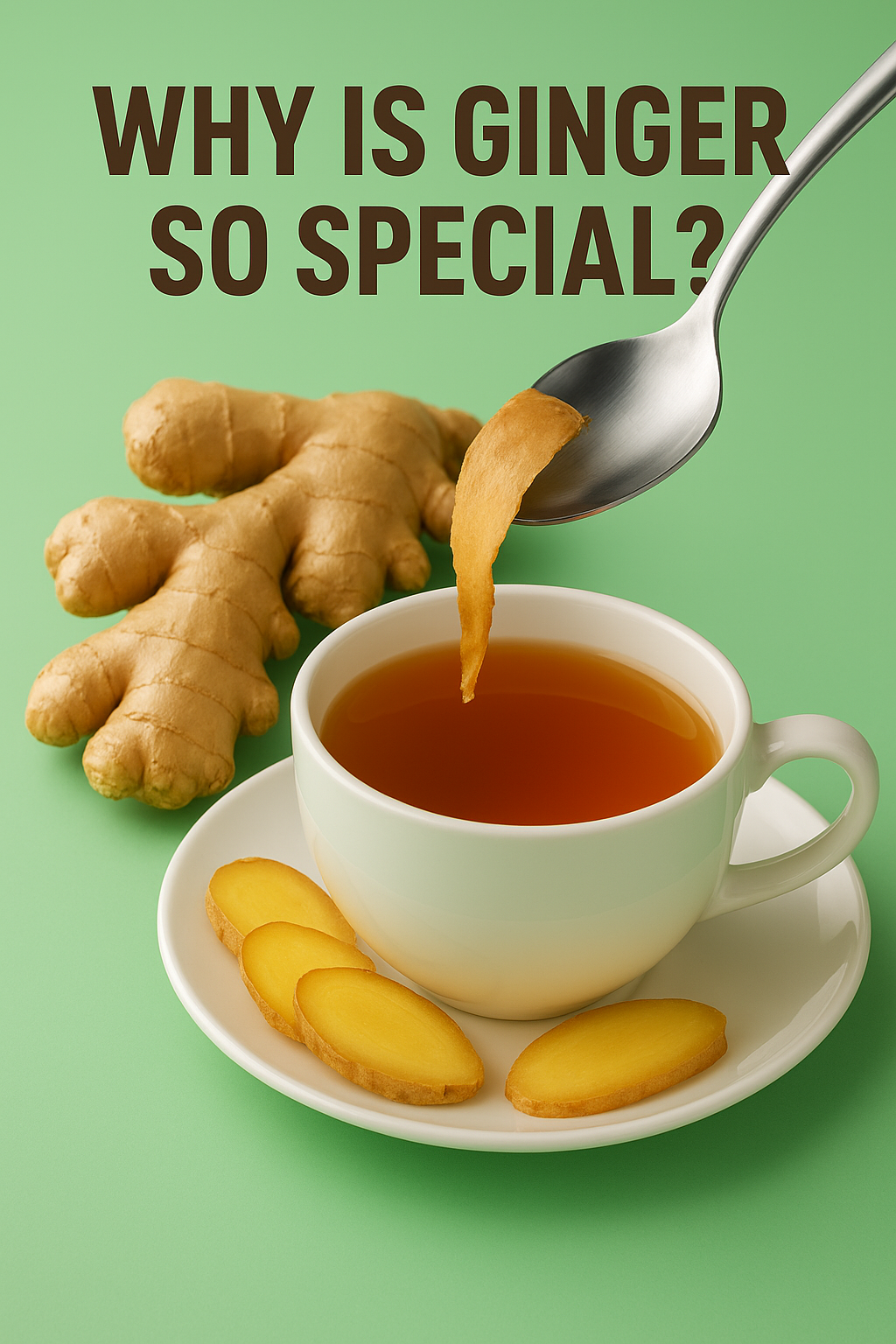
Don't peel it, scrape it with a spoon
Why a spoon rather than a knife? Ginger skin is very thin, especially on fresh, young roots. Scrape the edge of a teaspoon along the surface and it lifts off only the outermost layer. It also gets around the knobs and bumps easily, and you lose far less of the flesh. Cooks around the world swear by this trick, and once you try it, you'll rarely go back to a knife.
If your ginger is fresh, firm and well scrubbed, you often don't need to remove the skin at all. Grate it straight into stir-fries, soups, marinades or drinks.
Fresh or powdered? Different, not "better or worse"
You'll often read that dried ginger is a weak substitute for fresh. The chemistry is more interesting than that. Fresh ginger is rich in gingerols, while shogaols are scarcely present in fresh ginger but more prominent in dried ginger. Heat drives that change: one analysis found that heat treatment greatly increased the conversion of gingerols into shogaols, and the conversion sped up as the temperature rose.
How ginger is dried matters too. In one comparison, sun-dried ginger kept the most gingerols, while hot-air drying produced more shogaols. So powdered ginger is a different ingredient with its own profile, not just a weaker version of fresh. If you want the bright, zingy, gingerol-rich kind, use fresh ginger. For baking and warm spice blends, ground ginger is perfectly good.
Ginger and digestion: what the studies show
Digestion is the most common reason people reach for ginger, and here there is some real human research.
In a small randomized, double-blind trial, 11 people with functional dyspepsia (a recurring upset stomach with no obvious cause) took 1.2 g of ginger in capsules or a placebo. Their stomachs emptied faster after ginger than after placebo, but their symptoms didn't change. It's an interesting result, but it's a very small study.
The evidence is strongest for nausea in pregnancy. A 2014 systematic review and meta-analysis of randomized trials found that ginger may help with nausea, but didn't significantly reduce vomiting episodes. Interestingly, the subgroup analyses favoured lower daily doses, under 1,500 mg. Another meta-analysis of placebo-controlled trials found that around 1 g of ginger a day for at least four days was linked to a five-fold likelihood of improvement in early-pregnancy nausea and vomiting. Anyone who is pregnant should still check with their doctor or midwife first.
Ginger isn't a cure-all for nausea, though. According to the NCCIH, most studies haven't found ginger helpful for motion sickness, and its benefit for nausea after surgery or chemotherapy is still unclear.
If you're looking for gentle, everyday ways to support digestion, you might also enjoy Warm Water with Cinnamon, Honey or Lemon: 3 Simple Drinks to Support Digestion and Help Keep Your Appetite in Check.
Ginger, cholesterol and the heart
Several research groups have pooled clinical trials on ginger and blood fats. A 2018 meta-analysis of 12 trials with 586 participants found that ginger supplements lowered triglycerides and LDL cholesterol. A larger 2022 analysis of 26 trials reported modest improvements in triglycerides, total cholesterol, LDL and HDL. These effects are small, and most trials used supplements rather than ginger in food. Ginger can be a nice addition to a heart-friendly diet, but it isn't a replacement for treatment.
One important caution: laboratory research suggests ginger may affect how platelets clump together. Doctors have also reported cases like a patient whose INR rose sharply after she started a ginger supplement while taking warfarin. Overall, the evidence is limited. Still, if you take blood thinners or other regular medication, talk to your doctor before taking larger amounts of ginger or ginger supplements.
How to use ginger at home
The simplest solutions are often the best, and the cheapest.
- Scrape, don't peel. Use a teaspoon to lift off the thin skin, or just scrub the root well and leave the skin on.
- Choose firm, fresh roots. Look for smooth, taut skin. Wrinkled, soft ginger has started to dry out and loses its bright flavour.
- Go gently with heat if you want gingerol. Long, high heat turns gingerols into shogaols. In one drying experiment, temperatures below 70{-15486}{-15696}C didn't promote the change, while 80{-15486}{-15696}C did. For a fresh-tasting tea, steep grated ginger in hot water rather than boiling it hard for a long time.
- Grate it for more flavour. Grating exposes more surface area, so the aroma and heat come through quickly.
- Leave the skin on for drinks. If the texture bothers you, simply strain the drink before serving.
Ginger is just one of many everyday foods we don't always prepare in the best way. For more examples, read Foods We Use Incorrectly.
A warm ginger drink to try
To finish, here's a simple drink that many people around the world make when the weather turns cold. You'll need:
- 1 tablespoon freshly grated ginger (skin on),
- 1 tablespoon lemon juice,
- 1 teaspoon honey,
- 200 ml warm (not boiling) water.
Stir everything together, let it sit for a few minutes, then strain if you prefer a smooth drink. Don't give honey to babies under one year old.
Be realistic about what this drink can do. Good research on ginger for preventing or shortening colds is lacking, and the NCCIH doesn't list colds or immunity among the uses it has evaluated. What you get is a warming, soothing drink that tastes good and helps you drink more fluids when you're under the weather, and that's worth a lot on a grey winter morning. Oral ginger can occasionally cause heartburn, stomach discomfort or mouth irritation, so start with a smaller amount if you're sensitive.
If you like warm drinks like this, you may also want to try Warm Water with Turmeric Against Winter Troubles or read A Green Drink Before Bed: What a Glass of Cucumber, Parsley and Ginger Can (and Can't) Do Before You Switch Off the Light.
Just make sure you don't boil it to death.
Information on this website is for educational purposes only and is not medical advice.
expert, nutritionist
 Would you like to be informed about news on the website?








|

