




Tired All the Time? Grandma's Honey, Walnut and Beetroot Jar for Anaemia, and What It Can Really Do
expert, nutritionist
Constant tiredness that sleep never seems to fix is one of the most common signs that your blood is struggling to carry oxygen. Anaemia means you have fewer red blood cells than normal, or less haemoglobin in them. Haemoglobin is the substance that makes blood red and carries oxygen around the body, and iron is essential for making it. Our grandmothers had a remedy for this "weak blood": a jar of honey, walnuts, raisins, lemon, carrot juice and beetroot juice, eaten by the spoonful before meals.
Folk medicine has known about anaemia for centuries. Yet many people still assume it disappeared once our shops filled with food, and it didn't. The most common cause of anaemia worldwide is iron deficiency, and it often comes from blood loss, poor absorption or a diet that simply doesn't supply enough. It isn't only about iron, either. There are also anaemias caused by a lack of vitamin B12 or folate, which a standard blood test also checks for. This is why a balanced intake of vitamins and minerals matters, not just one nutrient.
How to tell your blood might need help
According to the NHS, typical symptoms of iron deficiency anaemia include tiredness and lack of energy, shortness of breath, noticeable heartbeats, paler skin than usual and headaches. None of these is specific, and fatigue has many other causes. A simple full blood count is the only reliable way to know what is going on.
When the problem isn't too little oxygen
Folk wisdom has a curious flip side. Some people describe feeling as though they have "too much oxygen in the blood". They suddenly can't catch their breath, feel tightness in the chest and are convinced something is badly wrong with their heart. Medically, this is usually hyperventilation, or overbreathing. Breathing too fast and too deeply lowers the level of carbon dioxide in the blood, and that is what causes most of the symptoms. The trigger is often emotional: anxiety or panic is the most common cause of hyperventilation syndrome. That is why it turns up so often in stressed people, such as busy managers, students before exams and drivers stuck in tense traffic.
Here's the catch: chest pain, a pounding heartbeat and the feeling that you can't catch your breath can also come from heart or lung conditions. Never assume it's "just nerves" the first time. If you have chest pain or sudden breathlessness, get urgent medical help.
The traditional blood-building mixture
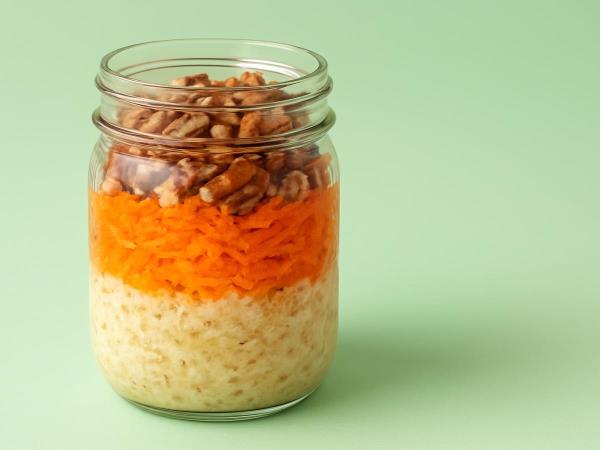
In folk medicine, this preparation has long been considered one of the best ways to "correct the blood picture". Whatever you make of that claim, it is undeniably tasty and full of nutrients.
Ingredients
- 200 ml honey
- 200 g shelled walnuts
- 200 g raisins
- 200 ml fresh carrot juice
- 200 ml beetroot juice
- 2 lemons
Method
- Use organic lemons with no pesticide residue on the peel, because the whole fruit goes in. Remove the pips.
- Blend the lemons, peel and all, into a pur{-15230}„{-15454}€š{-15230}‚{-15486}Še and pour it into a one-litre glass jar.
- Add the honey, then pour in the carrot and beetroot juice. Stir well.
- Roughly grind the walnuts and raisins, then add them gradually while you keep stirring.
- You'll end up with almost a kilogram of mixture. Leave it in the fridge overnight.
How to take it: one spoonful before each meal, three times a day, for at least a week. Many people who try it say they simply feel better and more energetic. Just don't expect a single jar to transform your blood test results. Here's why.
What each ingredient brings, and what it doesn't
Lemon: the absorption helper
The lemon may be the smartest part of the recipe. Plant foods contain non-haem iron, which the body absorbs poorly, and the US National Institutes of Health notes that ascorbic acid (vitamin C) enhances the bioavailability of non-haem iron. The same source puts iron absorption at roughly 14Ä‚{-15477}{-15720}{-15230}{-13416}{-15454}€š{-15486}{-15700}{-15230}{-13416}{-15454}‚{-15700}›18% from mixed diets that include meat, seafood and vitamin C, and only 5Ä‚{-15477}{-15720}{-15230}{-13416}{-15454}€š{-15486}{-15700}{-15230}{-13416}{-15454}‚{-15700}›12% from vegetarian diets. A spoonful of this mixture before a meal adds a little vitamin C right when your food's iron is being absorbed.
Beetroot: more folate than iron
Beetroot's deep red colour has made it the classic "blood vegetable", but that colour comes from pigments called betalains, not iron. Beetroot's real strength is folate. Raw beets provide around 109 Ä‚{-15454}€š{-15230}‚{-15486}{-15691}g of folate per 100 g, and the body needs folate to make healthy red blood cells.
The research on beetroot juice and haemoglobin is encouraging but thin. In a small Iranian study, 20 female football players drank either 200 ml of beetroot juice or a placebo before training for six weeks. The juice group saw significant increases in haemoglobin, haematocrit and red blood cell count. However, the participants were not anaemic to begin with, so the study can't show that beetroot treats anaemia. Several small Indonesian studies in teenage girls also report higher haemoglobin after beetroot juice, but most had no proper control group. In one of them, the beet juice was fortified with iron sulphate, and it worked about as well as commercial iron tablets. That tells you the added iron was doing much of the heavy lifting.
Raisins and walnuts: small but useful extras
Raisins are a modest iron source: a quarter cup of seedless raisins provides about 1 mg of iron. Walnuts add healthy fats, protein and some minerals. Spread across a whole kilogram of mixture, though, a single spoonful delivers only a small fraction of your daily iron needs.
Carrots and honey: flavour and energy
Carrot juice brings sweetness and beta-carotene, and honey binds everything together and makes the mixture a pleasure to eat. Keep in mind that honey and raisins together make this a fairly sugary spoonful, which matters if you're watching your blood sugar. Never give it to babies: the CDC and the American Academy of Pediatrics advise against giving honey to infants under 12 months because of the risk of infant botulism.
How to get the most out of it
- Pair it with iron-rich meals. The mixture works best as a vitamin C boost alongside foods such as meat, fish, lentils, beans and leafy greens.
- Watch your coffee and tea. Coffee and black tea reduce iron absorption, so it's best not to drink them with meals.
- Be patient and get tested. Even with iron tablets, recovery takes time. The NHS says people with iron deficiency anaemia usually take tablets for about 6 months, and repeat blood tests over the following months check that iron levels are returning to normal. A week of any food remedy is a start, not a cure.
- Find the cause. Anaemia is often a signal of something else, such as heavy periods or hidden bleeding in the gut. Only take iron supplements under your provider's guidance, as too much iron can be harmful.
Grandma's jar won't replace a blood test or treatment your doctor prescribes. Still, it is a delicious, old-fashioned way to add folate, vitamin C and a little extra iron to your day, and to make each meal work a little harder for your blood.
Information on this website is for educational purposes only and is not medical advice.
expert, nutritionist
 Would you like to be informed about news on the website?















|

