


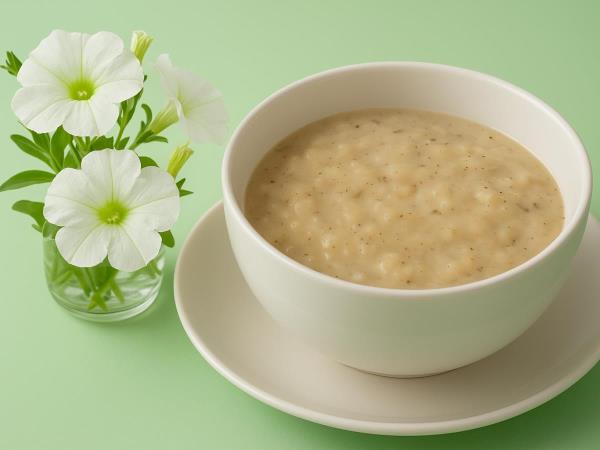


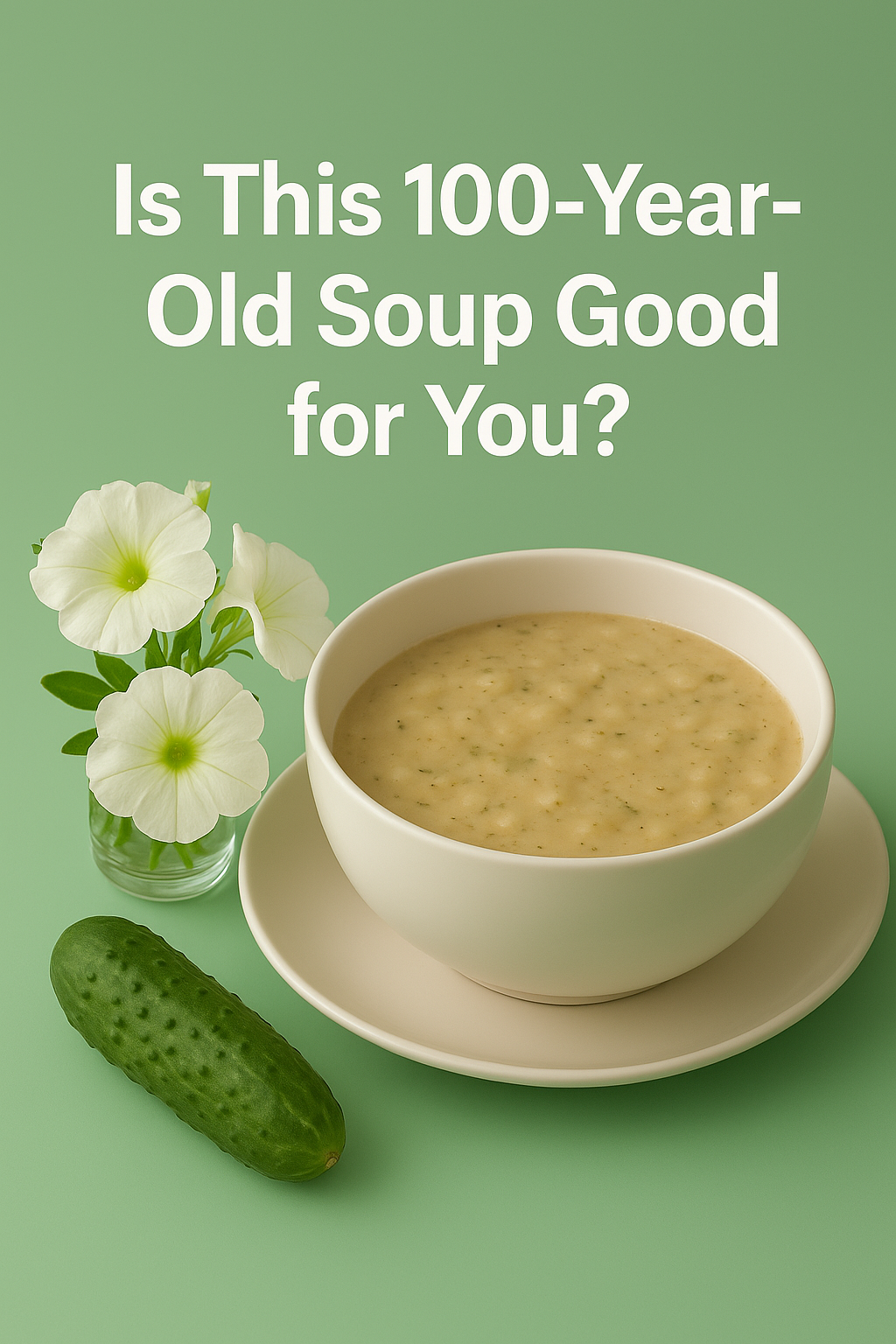


A 100-Year-Old Cucumber Soup Our Grandmothers Made From Scratch
expert, nutritionist
There's something quietly remarkable about a soup that needs no recipe card, no blender, and no fancy stock {-15454}€” just a few pantry staples and a technique passed down without being written down. This cucumber soup has been cooking in Central and Eastern European kitchens for well over a century, and once you understand the method, you'll see exactly why it has lasted.
A Dish With Deep Roots
Three Days with Cucumbers: A Light Meal Plan That Gives Your Body a Breather reminds us just how remarkably versatile cucumbers are as an ingredient {-15454}€” and this old-fashioned soup is perhaps their most satisfying cooked form. Pickle-and-potato soup is a traditional dish made from sour, salted cucumbers and potato, and versions of it appear across the whole swath of Central and Eastern Europe. Fermented cucumber soup is a traditional Polish, Lithuanian, and Ukrainian preparation known in Polish as zupa og{-15230}{-14974}rkowa; a closely related dish is rassolnik, a sour soup in Russian cuisine prepared with stock, dill pickle, and potato. The Slovenian version on this page is their quieter, more vegetable-forward cousin {-15454}€” no meat broth, no cream, just the sour brightness of grated pickles lifted by garlic and dill.
A Note on the Cucumbers
The soul of this soup is the pickle. Fermented pickles are full of good bacteria called probiotics, which are important for gut health {-15454}€” but pickles marinated in vinegar don't have the same probiotic effects, so for maximum benefit, choose cucumbers fermented in a brine of salt and water. That said, the original recipe does finish with a splash of vinegar for brightness, which is a traditional touch in the Slovenian style rather than a fermentation substitute. If you can find naturally brined pickles at a European delicatessen or farmers' market, use them.
Ingredients
- 2 medium pickled cucumbers (gherkins), peeled and coarsely grated
- 4 medium potatoes, peeled and cubed
- 1 medium onion, finely diced
- 1 clove garlic, finely sliced
- 1 tablespoon plain flour
- A neutral oil, for saut{-15230}Šing
- Salt (sea salt works well), black pepper, ground cumin, 1 bay leaf, a pinch of nutmeg, a sprig of fresh oregano
- 1 tablespoon vinegar
- Fresh dill, to taste
- Approximately 1.5 litres (about 6 cups) water
Method
Step 1 {-15454}€” Prepare the cucumbers
Peel both cucumbers and grate them coarsely, as you would grate a turnip or a beet. Set them aside in a bowl to rest for a few minutes {-15454}€” the salt draws out some of their liquid, which you'll want later for flavour.
Step 2 {-15454}€” Cook the potatoes
Peel the potatoes, cut them into rough cubes, and cook them in about 1.5 litres of lightly salted water. Once the water comes to a boil, add the spices: a little ground cumin, a pinch of black pepper, a bay leaf, a small grating of nutmeg, and a sprig of fresh oregano. Nutmeg works wonderfully in savory creamy soups {-15454}€” including potato soup {-15454}€” adding a hint of warmth and spice. Cumin contains aromatic plant compounds and antioxidants and has traditionally been associated with digestion, while scientific studies have investigated potential effects on glucose and lipid metabolism. Keep in mind that evidence for some proposed metabolic benefits remains mixed, particularly because studies frequently use amounts or preparations different from ordinary cooking.
Step 3 {-15454}€” Make the roux base
In a separate pan, warm a little oil over medium heat and gently saut{-15230}Š the finely diced onion until it turns pale golden. Add the tablespoon of flour and stir for two minutes {-15454}€” you're building a light roux that will give the soup its gentle body. Add the sliced garlic and cook for one minute more. Now pour in a ladleful of cold water, stirring constantly to prevent lumps, then take the pan off the heat.
Garlic Butter: An ancient Mediterranean secret you can make at home today explains that garlic boosts the immune system and helps lower blood pressure {-15454}€” here it does quiet but useful work in the background of the soup. Garlic contains a compound called allicin, released when a clove is crushed or cut, which does show antimicrobial activity in laboratory studies {-15454}€” though the evidence from human trials is more limited, so it's best thought of as a flavourful ingredient with potential rather than a medicine.
Step 4 {-15454}€” Bring it all together
When the potatoes are fully cooked, drain them {-15454}€” but keep every drop of the cooking water. Roughly mash the potatoes in the pot, then stir in the onion-garlic roux. Now mash everything more thoroughly. Return the reserved cooking water to the pot, stir well, and bring the soup back to a gentle boil.
Step 5 {-15454}€” Add the cucumbers and finish
Once the soup is boiling again, add the grated cucumbers and cook for just 2{-15454}€“3 minutes {-15454}€” no longer, or they lose their pleasant bite. Remove the bay leaf. Before taking the pot off the heat, stir in a tablespoon of vinegar and add fresh dill to taste. Serve immediately.
Why Dill Belongs Here
Dill (Anethum graveolens) is an herb found throughout European and Asian cuisines. In addition to being used to flavour dill pickles, dill is often used with fish, potatoes, and yogurt-based sauces {-15454}€” but it is perhaps most at home in a sour pickle soup, where its anise-like freshness cuts through the tangy base. Some purported benefits are backed up by newer research suggesting dill may help lower cholesterol and improve blood sugar control in people with diabetes {-15454}€” although much of that research is based on studies using extracts of dill seed and leaf rather than on people eating freshly picked dill. In other words, treat it as a delicious herb first, a potential wellness bonus second.
What Makes This Soup More Than the Sum of Its Parts
Cucumber is roughly 96% water and very low in calories, while still supplying fibre, vitamin K, and potassium. When grated and briefly simmered, the pickles lend the broth a distinctive sour edge that feels simultaneously warming and light. The potato gives the soup enough starch to feel like a proper meal without weighing it down, and the flour-and-onion roux binds everything into a silky, rustic texture that no blender could improve.
If you enjoy the idea of cucumber-forward cooking, you might also like The Three-Ingredient Glass That's Winning Over Flat-Belly Hopefuls: Cucumber, Parsley & Ginger for a lighter, cold-weather pick-me-up {-15454}€” or Miracle Cucumber and Ginger Juice if you want to explore cucumber's hydrating properties in a completely different direction.
Tips & Variations
- Pickle quality matters. The more flavourful and tangy your pickles, the better the soup. Naturally fermented brine pickles give the deepest result.
- Don't rush the cucumbers. Two to three minutes of cooking is enough {-15454}€” longer and they go soft and lose their sharpness.
- Keep the potato water. This starchy liquid is the backbone of the broth; discarding it would flatten the soup.
- Go easy on the nutmeg. Large amounts can be toxic {-15454}€” use it only in normal culinary quantities. A small pinch is all this soup needs.
- Add dill at the very end. Its volatile oils evaporate quickly with heat, so stir it in just before serving for the most vivid flavour.
- Sea salt vs. table salt. Either works, but many traditional cooks prefer sea salt for its milder taste; use less than you think you need and adjust at the table.
Information on this website is for educational purposes only and is not medical advice.
expert, nutritionist
 Would you like to be informed about news on the website?















|

