





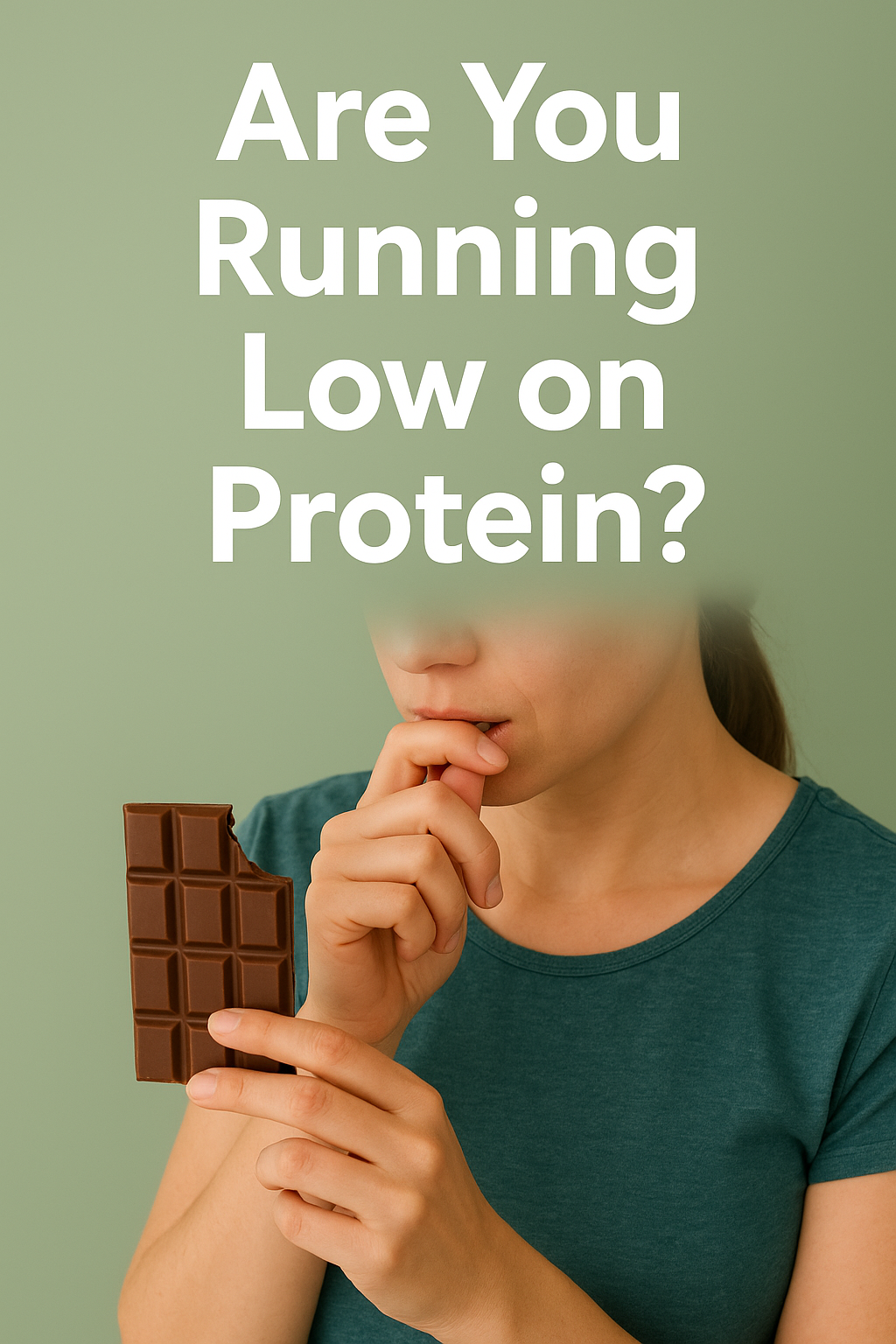


5 Signs Your Body Is Running Low on Protein
expert, nutritionist
Protein is the body's master builder. It forms the structural scaffolding of every cell, drives every chemical reaction in your bloodstream, helps produce haemoglobin to carry oxygen, and underpins the growth of muscle tissue, skin, nails {-15454}€” and hair. Yet despite its importance, many people fall short of their daily needs without ever realising it. Adults generally need between 1.0 and 1.5 grams of protein per kilogram of body weight per day {-15454}€” so a 70 kg person should be aiming for roughly 70{-15454}€“105 g. Research suggests a 70 kg person needs around 58 g of protein per day at a minimum, rising to at least 84 g for older adults, who may need up to 1.2 g per kilogram.
Protein is found in almost every whole food. The richest animal sources are meat, fish, eggs, milk, yoghurt, and cheese {-15454}€” 100 g of Greek yoghurt alone can contain 8 to 10 g of protein, considerably more than regular yoghurt. On the plant side, legumes such as beans and lentils are rich in both protein and fibre {-15454}€” 100 g of cooked beans delivers around 7 g of protein. Other good plant-based options include wholegrains, dark leafy greens, and buckwheat. What's notable is that the source of your protein also matters for long-term health: a large pooled analysis covering more than 715,000 people across 32 studies found that people who ate more plant protein had measurably lower rates of heart disease and lower overall mortality risk. You can read more in Foodwhisper's No Protein, No Health: Why This Nutrient Is Essential for Every Cell in Your Body.
So what does a shortfall actually look like in everyday life? Here are five signs your plate may be running low on protein.
1. You Keep Reaching for Something Sweet
This is often the earliest and most recognisable signal. One of protein's key roles is helping to stabilise blood glucose levels. When your intake is low, that balance can tip, and your body starts sending urgent messages for a quick energy fix {-15454}€” almost always in the form of sugar or refined carbohydrates. Research using a primate model showed that protein deprivation results in decreased fasting blood glucose levels, with definite metabolic changes established within six weeks. Human studies reinforce the link from the other direction: during acute hypoglycaemia, cravings for high-carbohydrate foods showed the greatest increase, with the effect size exceeding one standard deviation for three separate high-carb food types.
A study in healthy adults found that blood glucose 60 minutes after eating carbohydrates alone was significantly higher than after eating carbohydrates combined with protein {-15454}€” suggesting that a protein-containing diet positively affects the glycaemic response. In other words, skipping protein doesn't just leave you hungry {-15454}€” it sets you up for a sugar spiral. The sweet fix feels satisfying for 20 minutes, then the cycle repeats. Too much sugar and refined carbohydrates can in turn decrease protein availability in the body, which over time accelerates the problem.
2. You Feel Tired and Can't Concentrate
Persistent fatigue and brain fog are closely tied to the same blood-sugar instability described above. When glucose levels dip because there isn't enough protein to keep them steady, the brain {-15454}€” which needs glucose as its primary fuel and uses roughly 20% of all the glucose the body takes in despite making up only 2% of body weight {-15454}€” starts to underperform. The result is poor concentration, low mood, and a heavy, listless feeling that no amount of coffee seems to fix.
Many people try to solve this with carbohydrates {-15454}€” a biscuit, a piece of bread, an energy drink. It works briefly. But energy from refined carbs burns through fast, and the crash that follows often lands you in a worse state than before. Protein-rich foods, by contrast, slow the release of glucose and keep energy levels more even throughout the day. For more on how diet and energy connect, see Foodwhisper's The timing of protein intake is crucial for older adults.
3. Your Hair Is Thinning or Shedding More Than Usual
Hair follicles are among the most metabolically active tissues in the body, and they depend heavily on a steady supply of amino acids to build the keratin that forms each strand. Nutritional deficiency can impact both hair structure and hair growth {-15454}€” acute telogen effluvium, a form of diffuse shedding, is a well-known effect of sudden weight loss or decreased protein intake.
Telogen effluvium is the clinical name for the kind of diffuse, all-over shedding that follows a nutritional shock {-15454}€” not patchy loss, but a general thinning across the whole scalp, and sometimes the eyebrows and eyelashes too. The good news: telogen effluvium is considered self-limiting, with hair growth typically returning once the dietary imbalance is corrected. Recovery usually takes several months. Studies show that nutritional deficiency is a common finding in people with hair loss regardless of the type of alopecia, and researchers recommend identifying and correcting those deficiencies as a first step. It's also worth noting that protein is far from the only dietary factor at play {-15454}€” hair loss is often the result of multiple factors, and an improper diet plays a significant role, partly because a poor diet fails to provide necessary vitamins and minerals. See also Foodwhisper's Avoid foods that cause hair loss for a broader look at dietary triggers.
4. You Feel Generally Run Down, With Achy Muscles
Beyond tiredness, low protein can show up as a vague but persistent sense of feeling unwell {-15454}€” not quite ill, but not right either. This can include muscle soreness or weakness even without exercising hard. The reason is straightforward: muscle tissue is built from protein, and if the body isn't getting enough from food, it has fewer raw materials for repair and maintenance. After intense activity or even ordinary daily wear-and-tear, muscles that are under-supplied with amino acids recover more slowly and may ache more than they should.
It's worth knowing that protein doesn't act instantly. The body takes several hours {-15454}€” typically up to four {-15454}€” to digest protein-rich food and make those amino acids available for tissue repair. This is why consistent intake across meals matters more than a single large dose. Research on healthy adults shows that distributing protein intake evenly throughout the day {-15454}€” eggs and dairy at breakfast, meat or fish later on, something protein-rich in the evening {-15454}€” is a more effective pattern than loading it all into one meal.
5. You Keep Almost Getting Sick
You know the feeling: a scratchy throat, a slight headache, the sense that something is about to take hold {-15454}€” and then, by the next day, nothing. But it keeps happening, week after week. While this pattern has many possible causes, chronically low protein intake is a plausible contributor, because antibodies and other immune proteins are themselves made from amino acids. Without enough dietary protein, the body has less raw material to maintain a well-stocked immune arsenal.
Nutrition scientists have spent decades studying the link between diet and immune function. The question isn't whether food can cure disease, but whether a consistent pattern of eating can tilt the odds toward a calmer, more resilient immune system. The evidence does suggest that overall dietary patterns, sustained over months and years, are one of several factors your immune system quietly keeps score of. For a deeper look at exactly what the evidence shows, read Foodwhisper's Can What You Eat Really Change How Often You Get Sick? Here's What the Evidence Actually Shows.
The Bottom Line
None of these five signs is a diagnosis on its own {-15454}€” sugar cravings, fatigue, and hair thinning all have multiple potential causes, and persistent symptoms are always worth discussing with a doctor. But if several of them sound familiar, it's worth taking an honest look at your daily protein intake before turning to other explanations. The fix is usually simpler than people expect: spread protein-rich foods across every meal rather than concentrating them at dinner, include both animal and plant sources where possible, and treat refined carbohydrates as the short-term fuel they are rather than a substitute for the real thing.
Information on this website is for educational purposes only and is not medical advice.
expert, nutritionist
 Would you like to be informed about news on the website?















|

