





The Natural Polysaccharide Linked to Milder Colds – and a Quiet Place in Cancer Research
expert, nutritionist
Imagine getting through cold-and-flu season with fewer miserable days: less sore throat, less runny nose, fewer workouts and workdays missed. That's what researchers had in mind when they gave healthy volunteers a natural compound from the cell walls of baker's yeast. Several trials found that people taking it had milder symptoms in the first days of a cold. The compound is beta-glucan. Most people have never heard of it, but scientists have been studying it for more than half a century.
The wellness author and podcaster Tim Ferriss has said many times on his show that a cup of chaga mushroom tea or mushroom coffee is part of his morning routine. He has backed the Finnish mushroom-drink brand Four Sigmatic, whose blends are sold mainly for immune support. Medicinal mushrooms are rich in beta-glucans, and that's no coincidence. Whether you drink them, eat them in a stir-fry or start the day with oatmeal, beta-glucans have quietly moved from Asian folk tradition into mainstream nutrition research.
What Exactly Is Beta-Glucan?
Beta-glucans are a family of natural polysaccharides: long chains of glucose molecules found in the cell walls of mushrooms, yeast, oats, barley and some seaweeds. Not all of them are alike. According to Examine.com, beta-glucans from oats and barley are best known for their effects on metabolic health. Those from yeast and mushrooms are better known for how they interact with the immune system.
Supplement marketing often calls beta-glucan "the most powerful natural immune activator", promising that it will boost immune efficiency by 50 to 120 percent within 72 hours. Independent research doesn't support such precise numbers. What the research does show is a large and growing body of studies: a PubMed search returns many thousands of scientific papers on beta-glucan. Much of that work suggests beta-glucans can "wake up" key cells of the innate immune system, the body's first line of defence against the microbes we meet every day.
Professor Vaclav Vetvicka of the Department of Pathology at the University of Louisville is one of the most prolific beta-glucan researchers. In an interview with Nutrition Insight, he explained that immune cells carry receptors that recognise beta-glucan. Once it binds, these cells release signalling molecules that activate other cell types, which is why its effects reach so widely.
Fewer Sick Days? What the Cold-and-Flu Studies Found
Taking beta-glucan every day may make upper respiratory infections milder. Some studies suggest it may also make them less frequent, which could mean fewer rough days during cold and flu season. The most interesting evidence comes from real people under real-life stress:
- Healthy adults prone to colds: In a double-blind trial published in the Journal of the American College of Nutrition, nearly 300 people who usually caught at least three colds a year took 900 mg of yeast beta-glucan or a placebo for 16 winter weeks. The number of colds didn't change. However, physical symptoms in the first week of each cold were significantly milder in the beta-glucan group, and participants also reported better mood.
- Older adults: A placebo-controlled study of adults aged 50 to 70, published in Nutrition, recorded 17 confirmed respiratory infections in the beta-glucan group compared with 28 on placebo. There was also a trend towards fewer symptom days. The authors said larger studies are needed to confirm this.
- Marathon runners: After the intense strain of a marathon, runners who drank a beverage containing 250 mg of yeast beta-glucan reported fewer days with cold symptoms and less severe nasal discharge and sore throat. They also missed fewer training days (Journal of Dietary Supplements).
- Stressed women: A smaller study found that a baker's yeast beta-glucan supplement was associated with fewer upper respiratory symptoms and better mood in women under moderate stress (Journal of the American College of Nutrition, 2012).
When researchers pooled 13 randomised controlled trials in a 2021 meta-analysis in the European Journal of Nutrition, yeast beta-glucan was linked to fewer and shorter upper respiratory infections in healthy people. Most of the included studies also found milder symptoms. The results are encouraging, but they come from relatively small trials, and many were funded by ingredient makers.
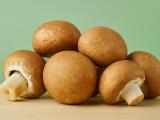
Food matters too, not just capsules. In one small trial highlighted by NutritionFacts.org, people who ate about a cup of ordinary white button mushrooms a day for a week had higher levels of salivary IgA, an antibody that protects the lining of the mouth and nose. If you want the bigger picture of how everyday eating patterns affect how often you get sick, read our article Can What You Eat Really Change How Often You Get Sick? Here's What the Evidence Actually Shows.
How Does Something We Barely Absorb Work at All?
This is one of the most fascinating parts of the story. In a study published in the Journal of Agricultural and Food Chemistry, researchers gave rats radioactively labelled lentinan, the beta-glucan from shiitake mushrooms. They then tracked where it went. Shortly after it was swallowed, most of the beta-glucan stayed in the stomach and the upper small intestine (the duodenum), and only a small fraction reached the bloodstream.
Even so, it appears to cause a noticeable biological response. Earlier research by scientists at East Tennessee State University (Journal of Pharmacology and Experimental Therapeutics, 2005) explains why. Cells in the gut lining and the gut's own immune tissue pick up beta-glucans directly. That tissue is home to a large share of the body's immune cells, so the gut is where beta-glucan meets the immune system first.
A Place in Oncology: What Japan Did First
Isolated beta-glucans have been studied as an add-on to conventional cancer treatment. It's important to be clear: they're not a replacement for it. In Japan, two mushroom-derived compounds have been licensed as medicines for decades:
- PSK (Krestin), a protein-bound polysaccharide from the turkey tail mushroom developed by Kureha. According to a review in Surgery Today, it's used together with chemotherapy for certain patients after surgery for gastric and colorectal cancer.
- Lentinan, a purified beta-glucan from shiitake. Japan approved it as an anticancer agent in 1985, and it's given with chemotherapy for advanced gastric cancer. A review in Anti-Cancer Agents in Medicinal Chemistry notes that in some clinical studies, adding lentinan to chemotherapy was linked to longer survival than chemotherapy alone.
Laboratory and animal studies suggest that beta-glucans may help the immune system respond to tumour cells and may help protect healthy cells during radiation. Some work has also looked at blood cell recovery. For example, research summarised by The ASCO Post found that a beta-glucan fraction from the maitake mushroom helped white blood cells recover from the effects of the chemotherapy drug paclitaxel in experimental models. These are promising early signals, not proof of benefit in patients.
The Integrative Medicine Service at Memorial Sloan Kettering Cancer Center says injectable lentinan is used in some countries but hasn't yet been evaluated in large studies. If you're having cancer treatment, talk to your oncology team before taking any mushroom or beta-glucan supplement. Their free About Herbs database is a good, neutral place to start.
Heart Health, Skin and Beyond
Cholesterol. This is where the evidence is strongest, and it comes mostly from oat and barley beta-glucan. In the gut, this soluble fibre forms a gel that binds bile acids and helps reduce the amount of cholesterol absorbed from food. In a randomised trial in Frontiers in Immunology, adults with mildly raised cholesterol ate 80 g of oats a day, providing about 3 g of beta-glucan. After 45 days their total and LDL cholesterol had dropped. A 2026 trial from the University of Bonn, published in Nature Communications, found that just two days of a calorie-reduced, mostly oatmeal diet lowered LDL cholesterol by about 10 percent in people with metabolic syndrome. The effect was still visible six weeks later.
Antioxidant support and gut health. In a comparison published in 2021, Professor Vetvicka's laboratory reported that beta-glucan seemed to work even better when combined with vitamin C. Mushroom polysaccharides also act as prebiotics, feeding beneficial gut bacteria such as Lactobacillus and Bifidobacterium, according to the Harvard T.H. Chan School of Public Health.
Other areas under study. Researchers are also exploring beta-glucan in allergies and asthma, digestive discomfort, stress resilience, blood pressure and liver health. In the cold-season trial above, participants also saw a small drop in blood pressure. Most of this research is still early. For now, think of beta-glucan as one part of an overall healthy lifestyle, not a treatment for any specific disease.
Skin. Beta-glucan has become a popular skincare ingredient. Paula's Choice describes it as a soothing, moisturising ingredient with antioxidant properties. Some studies suggest it may help reduce the look of fine lines. The Cosmetic Ingredient Review Expert Panel has rated it safe in cosmetics at typical concentrations. It's often found in products for dry, sensitive or easily irritated skin.
Where to Find Beta-Glucan on Your Plate
Mushrooms are a classic source, especially shiitake, maitake, oyster mushrooms, reishi and chaga, as well as the "snow fungus" (tremella) used in Asian cooking. However, the richest everyday sources are grains:
- Oats and oat bran: about 4 to 7 g of beta-glucan per 100 g of whole oats, depending on the variety.
- Barley: especially whole or "pot" barley in soups and stews.
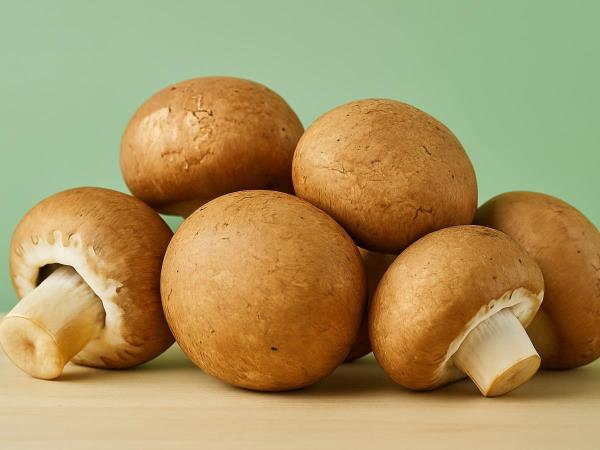
- Mushrooms: lower amounts per serving, but rich in immune-related beta-glucan types and in other nutrients such as vitamin D precursors and selenium.
- Nutritional yeast and baker's yeast, the source used in most immune-focused supplements.
- Seaweed: smaller amounts, mainly in East Asian cuisines.
Ordinary root vegetables like carrots, celery and radish are healthy foods, but they aren't meaningful sources of beta-glucan. For the doses used in the cold-season studies, you'd need a concentrated supplement. Food alone, however, easily provides the roughly 3 g a day of oat beta-glucan linked to cholesterol benefits: one generous bowl of oatmeal plus a side of barley or mushrooms gets you close.
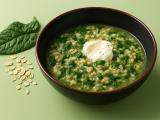
How you prepare mushrooms and other foods matters too. See our guide Foods We Use Incorrectly. For a warming way to work shiitake or button mushrooms into your winter menu, try the creamy soup ideas in Tasty and Healthy Meals from the Blender. If you're curious about other traditional foods people have relied on for generations, read Nature's Own Arsenal: 6 Foods People Relied On Long Before Antibiotics Existed and Warm Water with Turmeric Against Winter Troubles. For a food-based immune mixture, see A mixture that restores your immune system.
What About Side Effects?
Beta-glucans have been studied for more than 50 years, so their safety profile is fairly well known. Beta-glucan from food such as oats, barley and mushrooms is very safe for most people. Oral supplements are generally well tolerated. Occasionally people report mild digestive discomfort, bloating, nausea or diarrhoea, particularly when they first start.
RxList notes that injected forms, which are used only in medical settings, can cause chills, fever, headache, dizziness, nausea, flushing and changes in blood pressure. According to WebMD, people taking medications that suppress the immune system, such as after an organ transplant or for autoimmune disease, should be cautious. That's because beta-glucan may affect how the immune system responds. Because oat beta-glucan can lower blood sugar and blood pressure, anyone taking medication for those conditions should keep an eye on their readings. If you're pregnant, breastfeeding, managing a chronic condition or taking prescription medicine, check with your doctor or pharmacist before starting any supplement.
East vs. West: Two Ways of Arriving at the Same Molecule
Mushroom extracts have been part of traditional medicine in China, Japan and Korea for centuries. Over the 20th century, universities and government laboratories around the world began testing these extracts. Researchers saw encouraging results but weren't sure which component was responsible. Gradually the answer narrowed down to beta-glucans: lentinan was isolated from shiitake, and PSK from turkey tail. By the mid-1980s, Japan had approved both for use in medicine.
The West has moved more slowly. Here, a substance usually has to be fully characterised before it's widely accepted: exactly what each molecule does, how quickly and for how long. Japanese medicine has traditionally been more willing to adopt a promising therapy once clinical results look good, and to study the mechanism in parallel. Neither approach is "right". Each has strengths, and today they are increasingly meeting in the middle.
Researchers in the field are notably optimistic. Professor Vetvicka has co-authored reviews such as "Glucans as New Anticancer Agents" in Anticancer Research. He has argued that beta-glucan's effects are too significant to ignore and that it deserves a larger place in future medicine. He has also admitted that many funding bodies have long been sceptical of the field, which is one reason he believes public and scientific education about beta-glucan is so important.
The Bottom Line
Beta-glucan isn't a miracle cure, and no supplement can guarantee you'll get through winter without catching a cold. Still, the research behind it is more solid than for many trendy ingredients:
- Yeast beta-glucan may help make colds milder, especially during the first days and in times of physical or mental stress.
- Oat and barley beta-glucan is one of the best-supported food components for healthy cholesterol levels.
- Mushroom-derived beta-glucans are used alongside cancer treatment in Japan, but they're not a stand-alone therapy, and larger studies are still needed.
The easiest place to start is your plate: a bowl of oatmeal for breakfast, barley in your soup and a handful of shiitake or button mushrooms in tonight's dinner.
Information on this website is for educational purposes only and is not medical advice.
expert, nutritionist
 Would you like to be informed about news on the website?







|

