





Five Foods You Should Never Stock Up On – and Why the Habit Can Cost You Twice
expert, nutritionist
Open your spice cabinet and look at the back of the jars. A few years ago, spice maker McCormick went viral with a simple tip: if the label on one of its jars still says "Baltimore, MD" instead of "Hunt Valley, MD", the spice is at least 25 years old. The post was shared thousands of times, and many people were surprised to discover jars from their parents' kitchens still sitting on the shelf (TODAY). It is a funny story, but it points to a very common habit: we buy "for later", and "later" often never comes.
One of our readers told us she used to buy everything in family-size packs because it felt thrifty. "Then I did a big kitchen clean-out and threw away half a jar of mayonnaise, two bags of brown rice that smelled like old crayons and paprika with no color left in it. That's when I realized I wasn't saving money at all. I was paying twice: once at the store and once at the trash can." Her experience is far from unusual. Buying in bulk makes sense for some products, but for others it means losing taste, aroma and quality before you ever get to use them.
As a general rule, the more fragile the fats, aromas or freshness of a food, the less sense it makes to stockpile it. Below are five everyday examples.
1. Eggs
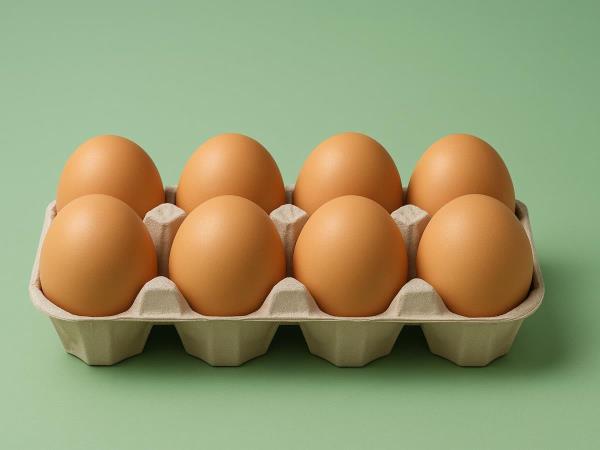
Large packs of 30 or more eggs are not especially popular, and they are not very practical either. They are worth it mainly if you have a large family at home; otherwise, they rarely are. According to the USDA Food Safety and Inspection Service, raw shell eggs keep in the refrigerator for about three to five weeks from the date of purchase, while the U.S. Food and Drug Administration suggests using them within about three weeks for the best quality.
Bigger packs can be slightly cheaper per egg, but that saving disappears quickly if some of the eggs end up past their best. Keep them in their original carton on an inner shelf of the fridge, not in the door, where temperatures change every time you open it. If you are curious about other common kitchen mistakes, take a look at Foods We Use Incorrectly.
2. Spices
Spices do not really spoil, but over time they lose their aroma, intensity and flavor. A practical rule many cooks follow is that ground spices are at their best for about six months and whole spices (for example, cinnamon sticks) for about twelve months. After that they are still safe, just noticeably weaker. McCormick itself states that ground spices generally keep their quality for two to four years and whole spices for up to four years when stored properly (McCormick: How Long Do Spices Last?).
So why buy spices in bulk when they rarely come with meaningful quantity discounts? A better approach is to buy small jars of the spices you use only occasionally and to choose whole spices where you can, grinding them just before cooking. Store them in a cool, dark, dry place, ideally not right above the stove, where heat and steam speed up the loss of their aromatic oils.
3. Frying Oil
Once you open a bottle of oil, it slowly starts to change. Oxygen, light and heat gradually cause oxidation, which eventually makes the oil taste and smell stale or rancid. Most opened refined cooking oils are best used within several months, and delicate oils such as extra virgin olive oil or sesame oil even sooner. Large canisters that sit open next to a warm stove for half a year are therefore rarely a good deal.
There is another side to this too: if you don't keep large amounts of frying oil at home, you will probably fry less often. Nutrition experts generally recommend enjoying deep-fried foods only occasionally as part of a balanced diet, since they are high in calories and fat. If you want to read more about what research has looked at in this area, see Does French fries really increase the risk of anxiety and depression?
Tip: buy oil in smaller, opaque bottles, close them tightly after each use and keep them in a dark cupboard away from heat.
4. Store-Bought Sauces
Mayonnaise, ketchup and other sauces may look like a bargain in larger packs, but mostly because of the price per gram. Once opened, they gradually lose their quality, and you can't always be sure what the full recipe of, for example, a commercial mayonnaise contains without studying the label carefully. The USDA's FoodKeeper guidance recommends using opened commercial mayonnaise within about two months in the refrigerator.
That makes XXL jars of mayonnaise pointless if they end up sitting in your fridge for months. Many of these sauces also add a surprising amount of calories, sugar or salt to a meal, which is why they often appear on lists such as Hello, and Fattening: Foods that Sabotage Your Diet. Choose a size you can realistically finish, or try making a quick homemade dressing with yogurt, mustard and herbs.
5. Brown Rice and Other Whole Grains
Whole grains are a valuable part of a varied diet because they keep the bran and germ, which contain fiber, vitamins, minerals and natural healthy fats. But it is exactly those fats that make them less suitable for long-term storage. The USA Rice Federation notes that, because of the oil in the bran layer, uncooked brown rice keeps at room temperature for up to about six months, while refrigerating or freezing it extends its shelf life. Milled white rice, on the other hand, can be stored for a very long time when kept dry and sealed (Healthline).
In other words, white rice is fine for the pantry, but stocking up on giant bags of brown rice, whole wheat flour or other whole grains often ends with a stale or rancid smell. Buy them in amounts you will use within a few months, keep them in airtight containers and, if you buy more, store part of them in the fridge or freezer. For a broader look at how everyday food choices shape long-term habits, see 5 Foods That Shorten Your Lifespan.
The Smarter Way to Shop
Bulk buying is not a bad idea in itself. Products like white rice, dried pasta, canned goods, salt and sugar can be sensible pantry staples. The trick is to think about how quickly you will actually use a product once it is opened, not just about the price on the shelf. Before reaching for the family-size pack, ask yourself three simple questions:
- Will I finish it while it still tastes good?
- Do I have the right place to store it (cool, dark and dry, or in the fridge)?
- Is the discount really bigger than what I might end up throwing away?
If the answer to any of these is "probably not", the smaller pack is usually the better deal for your wallet, your cooking and your kitchen.
Information on this website is for educational purposes only and is not medical advice.
expert, nutritionist
 Would you like to be informed about news on the website?















|

