





Three Ingredients, One Glass, a Million Reasons: Why So Many People Swear by ABC Juice
expert, nutritionist
It is deep ruby red, it takes five minutes to make, and the internet calls it a "miracle drink." Some claim it clears your skin in weeks, others say it melts away kilos, and the boldest posts even promise it can heal serious illnesses in three months. So what is really in a glass of ABC juice, and what does science actually say about it?
One of the best-known fans of this drink is Bollywood actress and fitness enthusiast Malaika Arora. As Onmanorama reports, she drinks a glass of ABC juice every morning as part of her yoga-centered lifestyle, and she has told her fans that she believes the habit has helped with some of her skin concerns. Her story is a personal one, not a clinical trial, but it shows why this simple drink has won so many devoted followers around the world. When a health writer at Marie Claire UK tested the trend herself for two weeks, the nutrition experts she spoke to were clear: the juice offers real nutrients, but it is no magic elixir.
Where does the name come from?
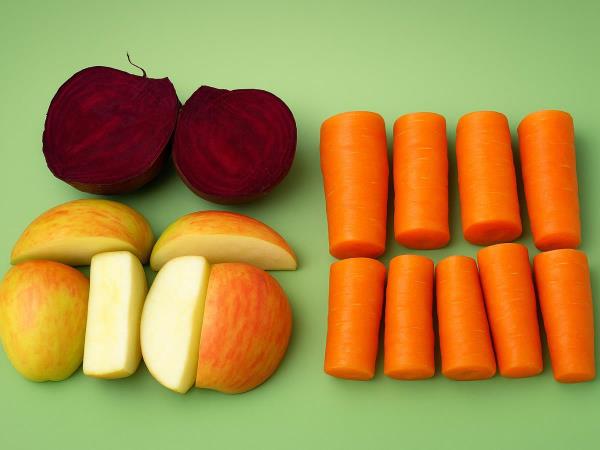
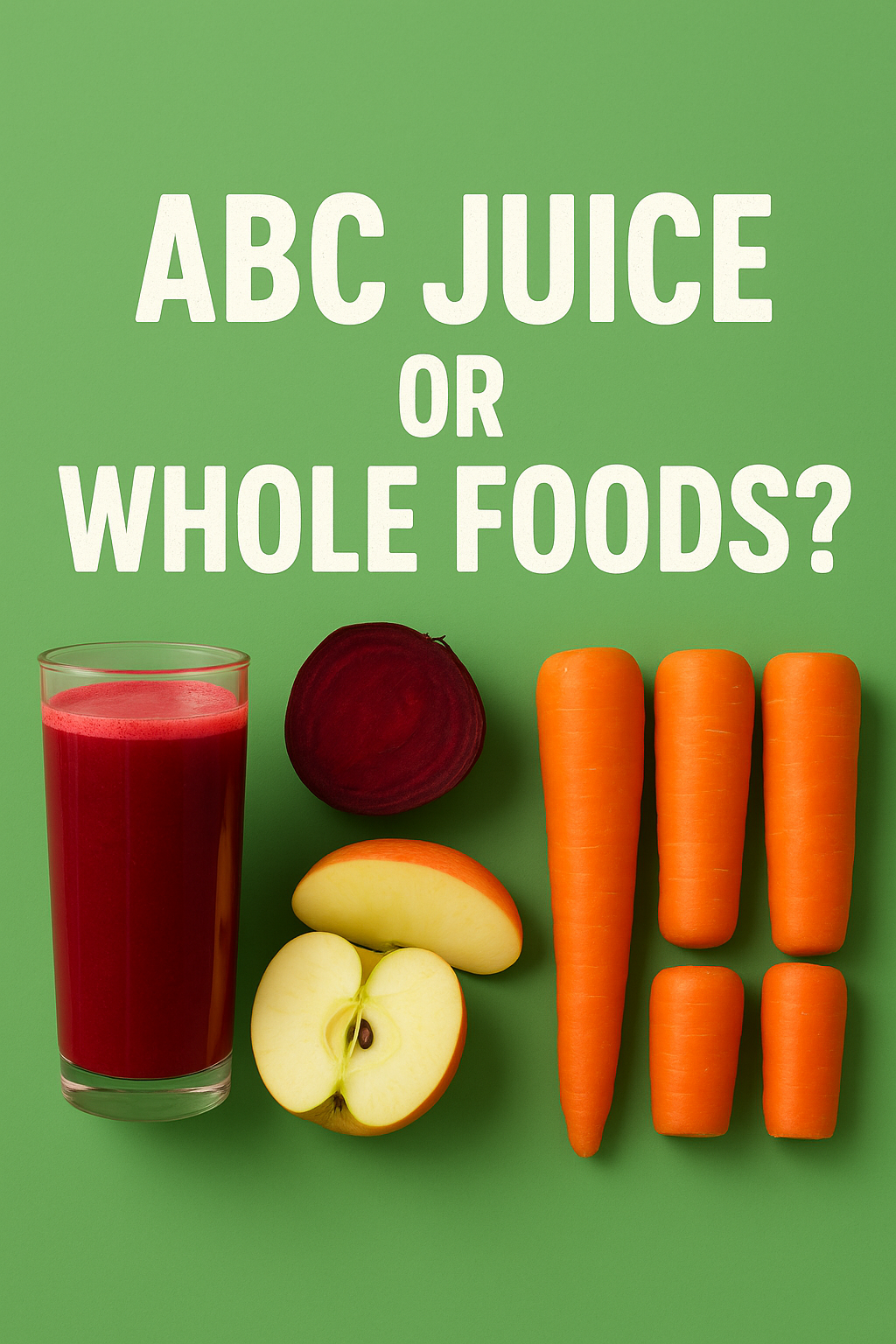
The name ABC juice comes from the English words Apple, Beetroot and Carrot. These are the main ingredients of the so-called "miracle" drink, which, according to stories widely shared online, was put together by Chinese herbalists who wanted to improve the general level of health in China. They were looking for simple, cheap ingredients that would be accessible to everyone. Whether or not the legend is true, the principle behind it is sound: three humble, affordable foods from any market stall can make a colorful, nutritious drink.
Apple and carrot are no strangers to healthy drinks. If you like the idea, you may also enjoy our article They say this is the healthiest juice in the world..., which combines carrot and apple with lemon, horseradish and flax seeds.
The recipe is simple
Take one apple, one beetroot and one carrot (a medium-sized one is fine). If you like, you can add some lemon juice and/or a spoonful of honey. It is important that the quantities of the ingredients are as balanced as possible, although some people swear by using more apples. This also depends on the variety you use, since some apples give more liquid than others. Blend everything in a blender (or use a juicer), and the drink is ready.
A few practical tips from the kitchen:
- Blender or juicer? A blender keeps the fiber, which helps you feel full and slows the absorption of the natural sugars. A juicer gives a smoother drink, but most of the fiber stays behind in the pulp.
- Wash, don't always peel. Much of the apple's fiber and many of its plant compounds sit in or just under the skin.
- Drink it fresh. Fresh juice oxidizes quickly, so it is best enjoyed straight away.
- Mind the stains. Beetroot colors everything it touches, including cutting boards, fingers and white shirts.
Traditionally, the drink is taken on an empty stomach, about an hour before a meal. There is no strong scientific evidence that timing makes a big difference, so if a glass on an empty stomach makes you feel queasy or causes heartburn, simply enjoy it alongside breakfast instead. For more on how an empty stomach reacts to certain foods, see Why is it dangerous to eat these foods for breakfast.
What are the effects?
Online you will find many posts claiming that regularly drinking ABC juice can cure cancer within three months. There is no scientific evidence for this, and no single food or drink can treat cancer or any other serious illness. What is true is that all three ingredients contain antioxidants and other plant compounds. According to the U.S. National Cancer Institute's dictionary, beetroot juice contains antioxidants such as betacyanin, along with nitrates and folic acid, while carrot juice provides carotenoids such as beta-carotene and flavonoids. Antioxidants help protect cells from damage caused by free radicals, which is one reason why diets rich in vegetables and fruit are linked to better health over the long term.
The list of benefits attributed to ABC juice online is long: support for the liver, kidneys and pancreas, better eyesight, a stronger immune system, better blood counts (especially if you are low in iron), relief from muscle soreness after hard physical work or exercise, fresher breath and healthier-looking skin. Here is what the research actually suggests about the key ingredients:
- Beetroot and blood pressure. Beetroot is rich in dietary nitrate, which the body converts into nitric oxide, a molecule that helps blood vessels relax. In a study published in the journal Hypertension, a daily glass of beetroot juice was associated with lower blood pressure in people with high blood pressure. A systematic review in Critical Reviews in Food Science and Nutrition looked at both the benefits and the risks of beetroot juice and found promising effects on blood pressure and exercise performance, while noting that more research is needed.
- Beetroot and exercise. The same nitrate effect is the reason why beetroot juice has become popular among athletes, as it may support endurance and help muscles use oxygen more efficiently.
- Carrot and antioxidant status. In a small pilot study published in Nutrition Journal, adults who drank fresh carrot juice daily showed higher antioxidant capacity in their blood and lower markers of lipid oxidation, although the juice did not change their cholesterol levels.
- Carrot and eyes. Carrots are rich in beta-carotene, which the body turns into vitamin A, a nutrient needed for normal vision. Carrots also contain lutein and zeaxanthin, which are naturally present in the eye.
- Apple and gut. Apples provide fiber (especially pectin) and polyphenols. A comprehensive review in Advances in Nutrition links apples and apple components with a range of potential benefits, from heart health to gut health.
- Iron. Beetroot contains some iron. According to Medical News Today, a cup of beet juice provides roughly 8% of the daily value. The vitamin C from apple, carrot and a splash of lemon helps the body absorb plant-based iron more efficiently. The same principle is explained in our article Spinach and Carrot: The Simple Breakfast That Gives Your Body More Than You Think. If you are looking for more iron from plants, you may also like A garden herb that surpasses pork steak in iron content.
Anyone who suspects they have anemia or another health problem should, of course, see a doctor rather than rely on juice alone.
And what about weight loss?
Many fans say that ABC juice also helps with weight loss. Here a little caution is needed. A glass of fresh juice is relatively low in calories and can be a useful replacement for sodas or sweet snacks, especially if you make it in a blender and keep the fiber. However, juices also contain natural sugars, and the World Health Organization counts the sugars in fruit juices among the "free sugars" we should limit. A large analysis published in The BMJ found that eating whole fruit was associated with a lower risk of type 2 diabetes, while higher consumption of fruit juice was associated with a higher risk.
ABC juice contains plenty of nutrients: vitamins A, B1, B2, B6, C, E and K, folate, zinc, copper, magnesium, potassium, phosphorus, iron, calcium and sodium (you can check the nutritional values of individual ingredients, for example carrot juice, in the USDA FoodData Central database). The ingredients certainly were not chosen at random. Still, no single drink can cover everything your body needs in a day; it works best as part of a varied diet.
Some people who use ABC juice as part of a weight-loss plan drink around 2 dl (about 7 oz) every four hours and combine this with a moderate calorie deficit, often cited as around 500 calories a day below their usual needs. If you want to try something similar, it is wise to discuss it with your doctor or a registered dietitian first, so that the plan fits your health and lifestyle. A balanced eating pattern, enough sleep and regular movement will always do more than any one drink. For a reminder of which everyday foods can quietly work against your goals, read Hello, and Fattening: Foods that Sabotage Your Diet.
Things to know before you start
- Pink surprise. In some people beetroot turns urine or stools pink or reddish. This is usually harmless, but it can be alarming if you don't expect it.
- Kidney stones. Beetroot is high in oxalates. People prone to kidney stones should talk to their doctor about how much beetroot is right for them. The U.S. National Institute of Diabetes and Digestive and Kidney Diseases offers guidance on diet and kidney stones.
- Blood sugar. People with diabetes should be careful with juices, as the natural sugars are absorbed faster than from whole fruit and vegetables.
- Orange glow. Very large amounts of carrot over a long period can give the skin a slightly orange tint. It is harmless and fades when intake is reduced.
- Medications. Because beetroot may lower blood pressure, people taking blood pressure medication should check with their doctor before drinking large amounts regularly.
A surprising side effect
The drink does have one curious side effect: quite a few people have reported that after a glass of ABC juice, their morning coffee no longer tastes as good. Whether that is a pleasant change or a tragedy, we leave for you to decide.
And if you enjoy experimenting with healthy morning drinks, try our article Tap or Spring? How a Glass of Sparkling Mineral Water Turns an Ordinary Smoothie Into an Energy Booster.
Information on this website is for educational purposes only and is not medical advice.
expert, nutritionist
 Would you like to be informed about news on the website?










|

