


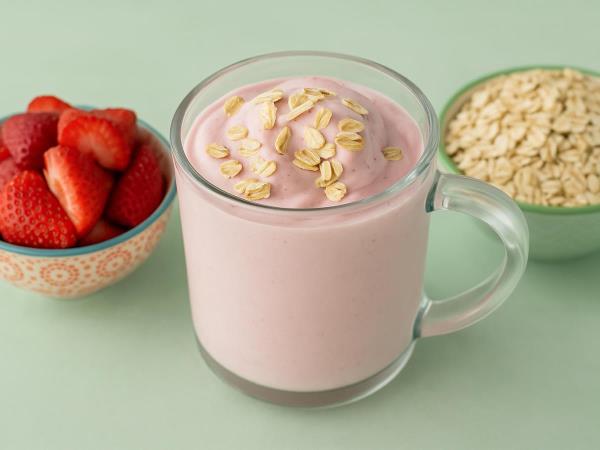
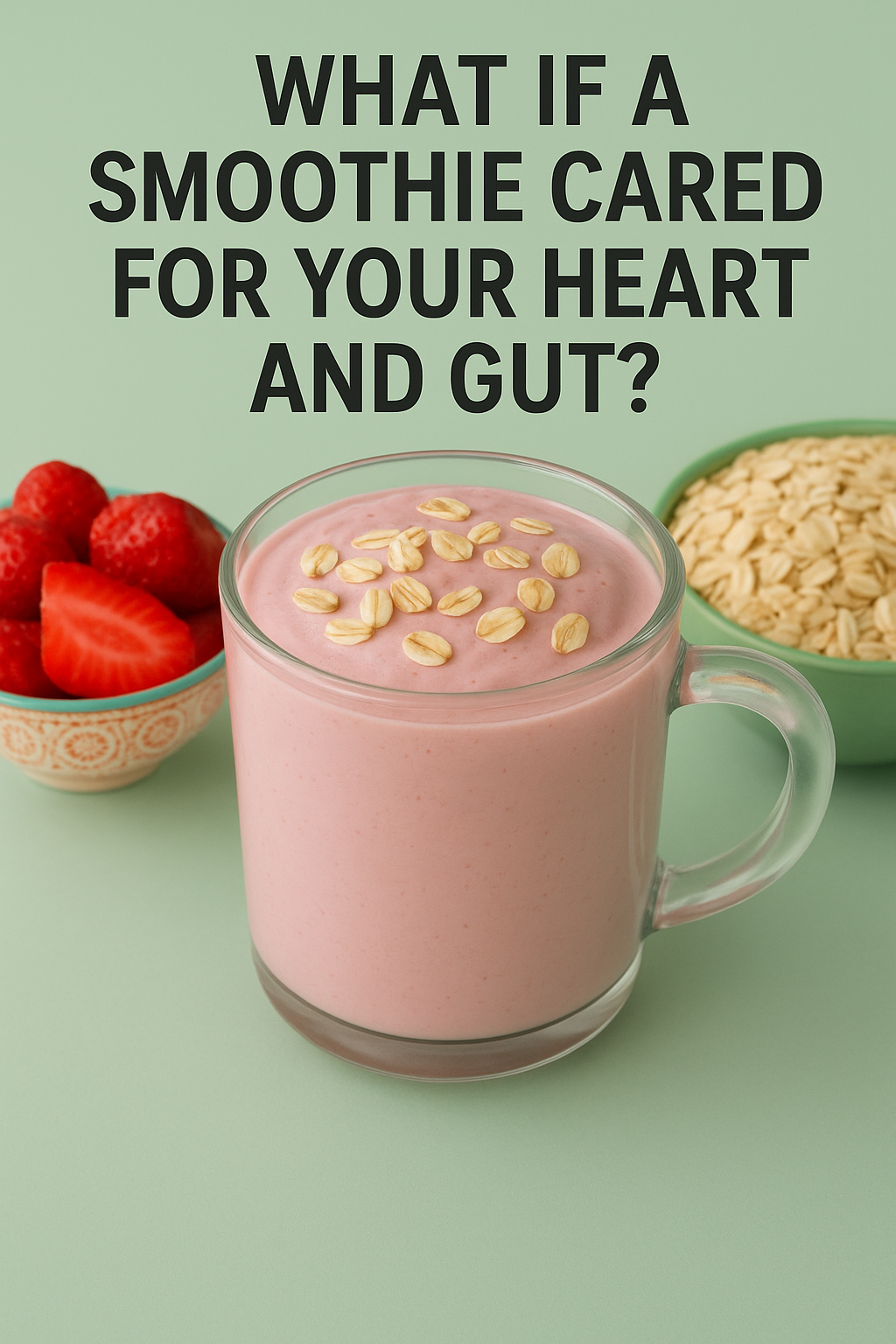


Five Ingredients, One Glass: A Smoothie That Cares for Your Heart and Your Gut at the Same Time
expert, nutritionist
What if one of the easiest things you could do for your heart and your digestion took less than two minutes and tasted like a chocolate milkshake? Each of the five ingredients in this smoothie has been studied on its own for its link to heart and gut health. Put together in one glass, they make a breakfast or snack that is as practical as it is pleasant.
Hollywood has noticed the power of a well-built morning smoothie, too. While preparing for her demanding action role in the film Peppermint, actress Jennifer Garner began working with nutritionist Kelly LeVeque, who created a smoothie for her that was rich in protein, fiber and nutrients. Garner later shared on Instagram that she has had that smoothie for breakfast every day since. Her version is different from ours, but the principle is the same: protein, fiber and real food, blended into a glass you can actually stick with day after day.
One of our readers, a retired teacher, told us something similar: "I used to grab a pastry and coffee and was starving by ten. Since I switched to this oat and cocoa smoothie, I stay full until lunch, and my digestion has become much more regular." Experiences like hers are personal and not a guarantee, but they show how small, steady changes at breakfast can make a noticeable difference in how we feel.
Why This Combination Works
The recipe for this smoothie is an excellent combination of quality proteins with high biological value, healthy carbohydrates, a low fat content and plenty of vitamins and minerals. The drink can help support a balanced metabolism and steadier blood sugar, and it can be a useful part of a healthy approach to weight management. As part of a varied diet and an active lifestyle, it may also contribute to the health of your heart and your digestive system. It contains B vitamins, magnesium, potassium, calcium and phosphorus, and it provides sustained energy, which makes it a good choice for active people and athletes.
1. Oats: soluble fiber for the heart and the gut
Oats are rich in beta-glucan, a soluble fiber that forms a gel in the digestive tract. The European Food Safety Authority (EFSA) has recognized that oat beta-glucan contributes to maintaining normal blood cholesterol levels when consumed in sufficient amounts as part of the daily diet. Fiber also feeds beneficial gut bacteria, which ferment it into short-chain fatty acids. We explain this fermentation process in more detail in our article Peas that Mendel didn’t know as medicine: the wrinkled variety hides the secret of stable blood sugar.
2. Strawberries: color that matters
Strawberries owe their red color to anthocyanins, plant pigments from the flavonoid family. In a large study of more than 93,000 young and middle-aged women from the Nurses’ Health Study II, published in the journal Circulation by researchers from the University of East Anglia and the Harvard T.H. Chan School of Public Health, a higher intake of anthocyanins was associated with a lower risk of heart attack. Women who ate more than three servings of strawberries and blueberries per week tended to have a lower risk than those who rarely ate them. This was an observational study, so it shows an association, not proof of cause, but it is a good reason to keep berries on the menu. Strawberries are also an excellent source of vitamin C.
3. Apple: pectin and natural sweetness
An apple adds natural sweetness, so the smoothie needs no added sugar. Apples contain pectin, a soluble fiber, and a variety of polyphenols, many of which are found in or just under the skin. That is why we recommend using the whole apple, including the peel. According to the Harvard Nutrition Source, diets rich in fiber are linked to better digestion and a lower risk of several chronic conditions.
Why organic? Both strawberries and apples regularly appear on the Environmental Working Group’s “Dirty Dozen” list of produce with the highest pesticide residues. Since we blend the apple with its peel, choosing an organically grown apple makes good sense. Whatever you choose, always wash fruit thoroughly.
4. Cocoa: a treat with real benefits
Cocoa is rich in flavanols, plant compounds that have been studied for their effect on blood vessels. Harvard Health Publishing reported on a Spanish study in which daily consumption of unsweetened cocoa powder was linked to lower levels of inflammatory markers associated with heart disease. A review in Frontiers in Nutrition notes that cocoa may support the function of blood vessel walls and healthy blood pressure. Expectations should stay realistic, though: as NPR reported, the U.S. Food and Drug Administration (FDA) considers the evidence for a heart-health claim on high-flavanol cocoa to be very limited.
Cocoa may also be good news for the gut. In a controlled study from the University of Reading, published in the American Journal of Clinical Nutrition, healthy volunteers who drank a high-flavanol cocoa drink for four weeks showed increased levels of beneficial bifidobacteria and lactobacilli in the gut, compared with those who drank a low-flavanol version.
Tip: Use plain, unsweetened cocoa powder, not an instant chocolate drink mix full of sugar. Natural (non-alkalized) cocoa generally retains more flavanols than “Dutch-processed” cocoa.
5. Milk: protein and calcium
Milk provides complete protein with high biological value, along with calcium, phosphorus, potassium and vitamin B12. Protein helps keep you full for longer, and together with the fiber from oats and fruit it helps slow the release of sugar into the blood. If you do not tolerate lactose, lactose-free milk or an unsweetened plant drink fortified with calcium works just as well.
The Gut and the Heart Are More Connected Than You Think
Most gut bacteria live in the large intestine, and, as the Cleveland Clinic explains, they help digest food, break down bile acids and protect us from harmful microbes. Fiber and plant polyphenols, both abundant in this smoothie, are their favorite food. A well-fed gut flora is also closely linked to the immune system, which we describe in the article Can What You Eat Really Change How Often You Get Sick? Here's What the Evidence Actually Shows.
Recipe
Ingredients (1 large glass):
- 2 tablespoons oats (rolled or quick oats)
- 5 or 6 strawberries (fresh or frozen)
- 1 small organically grown apple
- 1 tablespoon unsweetened cocoa powder
- 300 ml milk
Preparation:
Put all the ingredients in a blender and blend at the highest speed until you get a smooth mixture. Drink it slowly, in small sips.
If you prefer, you can use regular boiled water cooled to room temperature instead of milk. The smoothie will be lighter, but it will contain less protein and calcium.
Approximate nutritional value: made with semi-skimmed milk, one glass provides roughly 250 to 300 kcal, about 12 to 14 g of protein and around 6 g of fiber. Values vary depending on the size of the fruit and the type of milk.
Tips from a Nutritionist
- Want it creamier? Soak the oats in the milk for 10 minutes before blending, or use frozen strawberries.
- Need more protein after training? Add a spoonful of plain Greek yogurt.
- Extra fiber: a teaspoon of ground flaxseed or chia seeds blends in easily. For another energizing idea, see our Breakfast for more energy before a physically demanding day.
- No added sugar: the apple and strawberries are sweet enough. If you need more sweetness, half a ripe banana is a better choice than sugar or syrup.
- Drink it fresh: polyphenols and vitamin C gradually break down once the fruit is blended, so it is best to drink the smoothie right after preparing it.
When to Drink It
We recommend drinking at least one glass of this smoothie every day, or even two: one between breakfast and lunch and one as a light evening meal instead of a heavy dinner. If you use it to replace a meal, make sure the rest of your day includes enough vegetables, protein and healthy fats, since a smoothie is a great addition to a varied diet, not a replacement for it.
It is also a far better start to the day than many popular “healthy” choices. Find out why in 4 Healthy Breakfast Foods Nutritionists Quietly Avoid - Even Though Millions Eat Them Every Day, and which foods are best left out of your morning routine in Why is it dangerous to eat these foods for breakfast.
Who Should Be Careful
People with lactose intolerance, a milk allergy, celiac disease (choose certified gluten-free oats), irritable bowel syndrome or diabetes should adapt the recipe to their needs. If you have a chronic condition or are taking medication, talk to your doctor or a registered dietitian before making major changes to your diet.
Information on this website is for educational purposes only and is not medical advice.
expert, nutritionist
 Would you like to be informed about news on the website?















|

