




The Silent Energy Thief: Why Your After-Lunch Coffee May Be Stealing Your Iron – and How Low Iron Can Leave You Tired
expert, nutritionist
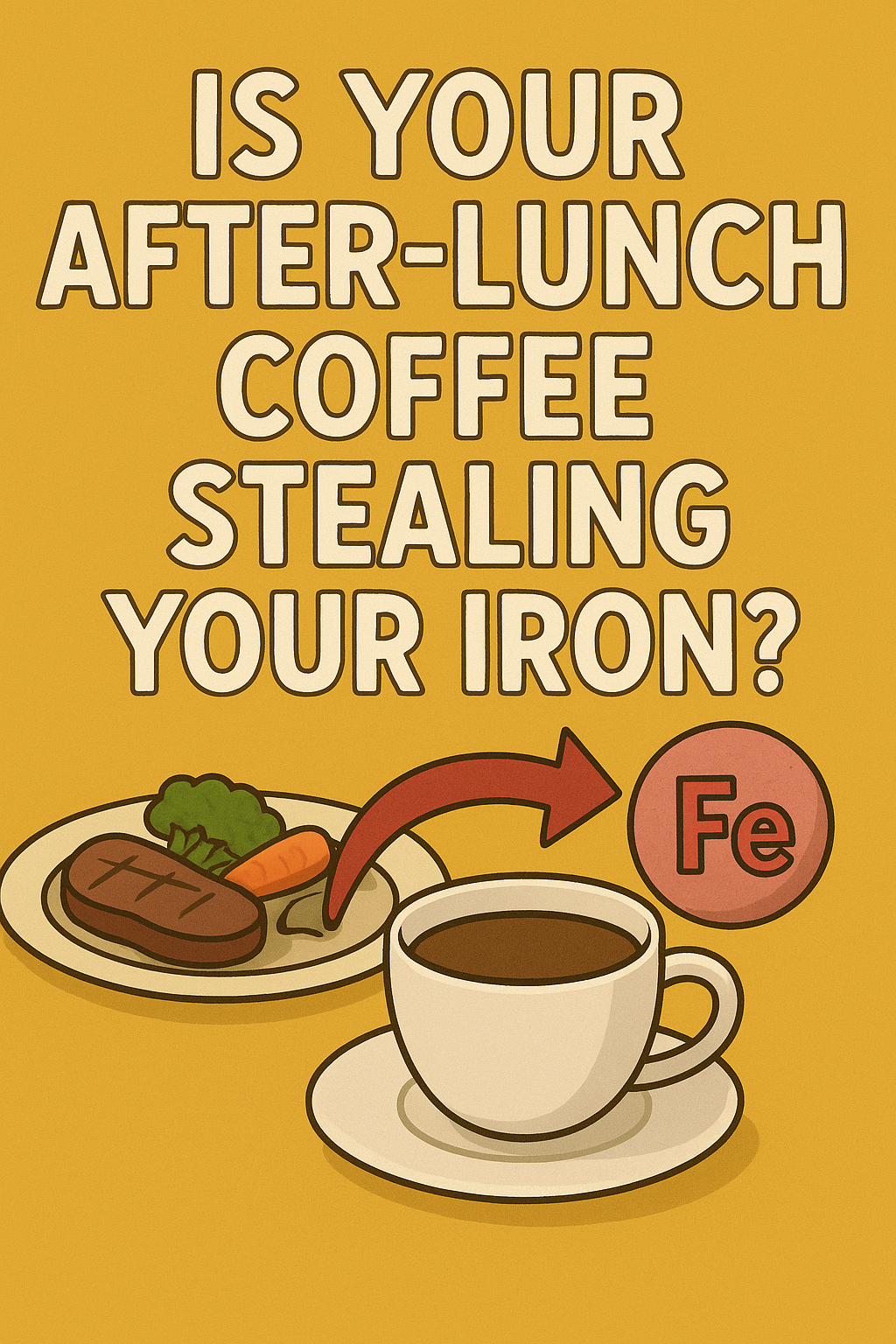
You finish a hearty plate of beef stew with vegetables, push the plate aside and reach for the classic finale: a strong cup of coffee. It feels like the perfect end to a meal. But according to a well-known study published in The American Journal of Clinical Nutrition, a cup of coffee drunk with a hamburger meal reduced the amount of iron absorbed from that meal by about 39%, and the stronger the coffee, the bigger the effect. Coffee drunk an hour before the meal made no meaningful difference. Coffee drunk an hour after it still did.
Actress Anna Kendrick knows the tiredness of low iron first-hand. In 2023 she told her followers on social media that she lives with anemia and jokingly asked whether there was an iron supplement that does not taste like swallowing a dirty penny, as reported by HELLO! magazine. Her fans quickly flooded her with tips: eat fruit rich in vitamin C, cook in cast iron pans, soak your beans. Her story is a reminder that low iron is not a problem only for people with a poor diet. It can affect busy, active, health-conscious people too.
Why iron matters so much
Iron is one of the most important elements in the human body, because it helps carry oxygen to our cells. It is a key part of hemoglobin, the protein in red blood cells that picks up oxygen in the lungs and delivers it throughout the body. If you are short of iron, you may feel tired, short of breath, notice a faster heartbeat, and even feel dizzy. The Mayo Clinic also lists pale skin, headaches, cold hands and feet, brittle nails and unusual cravings for ice as possible signs.
According to the World Health Organization (WHO), anemia affects hundreds of millions of people worldwide, especially young children, women of reproductive age and pregnant women, and iron deficiency is considered one of its most common causes.
If you would like to read more about recognizing anemia and supporting your body through diet, see our article Natural remedies for anemia.
How much iron do you need?
Iron needs depend on age, sex and life stage. According to the U.S. National Institutes of Health (Office of Dietary Supplements), recommended daily amounts for adults are approximately:
- Men (19+): 8 mg per day
- Women (19–50): 18 mg per day
- Women (51+): 8 mg per day
- Pregnant women: 27 mg per day
Interestingly, women in their reproductive years need more than twice as much iron as men, mainly because they lose iron every month through menstruation, and their needs rise even further during pregnancy. Most people can cover their needs through a varied diet. Supplements exist too, but they are best taken only when a doctor has confirmed a deficiency with a blood test, because too much iron can also cause problems.
Where to find iron
The richest sources of iron are red meat (beef, goat, pork, lamb), as well as liver, fish, mussels, clams and oysters. Good plant sources include lentils, beans, chickpeas, tofu, pumpkin seeds, dark leafy greens and iron-fortified cereals.
There are two types of iron in our food:
- Heme iron comes from animal foods (meat, poultry, fish). The body absorbs it relatively easily.
- Non-heme iron comes mainly from plant foods (and is also present in eggs and dairy). The body absorbs it less efficiently, and its absorption depends a great deal on what else is on your plate.
The best-known helper for non-heme iron is vitamin C. A squeeze of lemon over a lentil salad, peppers in a bean chili, or a few strawberries with your oatmeal can noticeably improve how much iron you absorb. Eating a little meat or fish alongside plant foods also helps. The B vitamins, especially B12 and folate, do not increase iron absorption itself, but the body needs them to build healthy red blood cells, so they are an important part of the same picture. B12 is found mainly in meat, fish, eggs and dairy, while folate is plentiful in leafy greens and legumes.
The problem arises when you have enough of these helper nutrients but simply eat too little iron-rich food. This can happen to meat-eaters and vegetarians alike. Think of all the media campaigns warning about the dangers of red meat, which have led many people to cut it out without replacing it with other good sources of iron.
Red meat: friend or foe?
Several studies have linked a high intake of red meat, and especially processed meat, to a higher risk of heart disease, raised cholesterol and certain bowel problems. The WHO's cancer agency (IARC) has classified processed meat as carcinogenic to humans and red meat as probably carcinogenic, based mainly on links with colorectal cancer.
Other research, focused on different health questions, highlights the opposite side: red meat is one of the richest and most easily absorbed sources of iron, zinc, protein and vitamin B12, and it can play a valuable role in the diet, particularly for people at risk of iron deficiency.
So where is the balance? The UK's National Health Service (NHS) advises that adults who eat more than 90 grams of red and processed meat a day should aim to cut down to 70 grams or less. That is roughly one small steak or a modest portion of stew, and it is a good idea to choose fresh, lean cuts rather than processed products such as bacon, sausages or salami. For more on this topic, read 7 Everyday Foods That Quietly Feed Your Stress (Number 5 Might Surprise You) and Food That Makes You Age Faster.
The real culprit: what you drink with your meal
And one more thing... Even a diet rich in iron may not deliver as much as you think, because certain foods and drinks reduce how much iron the body can absorb. The best-known ones are coffee, black tea, green tea and dairy products.
- Coffee and tea contain polyphenols and tannins that bind to non-heme iron in the gut and make it harder to absorb. According to the McGill University Office for Science and Society, caffeine itself is not the main culprit, so switching to decaf will not solve the problem. Black tea is often an even stronger inhibitor than coffee.
- Dairy products are rich in calcium, which can also reduce iron absorption when eaten in large amounts at the same meal.
The effect is mainly about timing. A 2023 Japanese study in Frontiers in Nutrition found links between heavier coffee and green tea drinking and lower iron stores in some groups of people, although other studies have found little effect in healthy adults. For most people with good iron levels, coffee is not a reason for concern. But if you tend to have low iron, are a woman of reproductive age, are pregnant, follow a plant-based diet or donate blood regularly, it makes sense to pay attention.
That is why it is a good idea to enjoy coffee and tea at least an hour before a meal, or wait a couple of hours after it. So if you drink a cup of coffee right after lunch, you may have done yourself a disservice, at least as far as iron is concerned.
It is a story nutritionists hear often: someone eats spinach, lentils and lean meat, yet still feels drained every afternoon. A closer look at their day reveals a large cup of coffee or tea with every meal. Simply moving that cup to mid-morning or mid-afternoon is one of the easiest changes to try.
Curious about other surprising facts about your daily cup? Read When salad isn't healthy, and coffee isn't what you think, Coffee in the Heat: Why Hot Weather Changes the Rules for Your Daily Cup and Five Unexpected Allies Against Migraine — From Coffee to Ginger. And if you are worried about what coffee does to your teeth, see 5 Everyday Foods That Are Quietly Dulling Your Smile — And You're Probably Eating One Today.
Simple habits that help your body get more iron
- Pair plant sources of iron with foods rich in vitamin C, such as peppers, citrus fruits, kiwi, broccoli or strawberries.
- Drink coffee and tea between meals rather than with them, ideally at least an hour before or a couple of hours after eating.
- Avoid having large amounts of milk, cheese or yogurt in the same meal as your main iron source.
- Include a small portion of lean meat, fish or seafood a few times a week if your diet allows it.
- Try cooking acidic dishes, such as tomato sauce, in a cast iron pan, which can add a little extra iron to food.
- If you are a vegetarian or vegan, regularly eat legumes, tofu, seeds and fortified cereals.
The takeaway
Coffee is not the enemy. For most healthy people, it can be enjoyed every day as part of a balanced diet. But if you often feel tired, dizzy or out of breath, it may be worth taking a closer look at both what is on your plate and when you drink your coffee. Shifting your cup by an hour or two is a small change that costs nothing.
Information on this website is for educational purposes only and is not medical advice.
expert, nutritionist
 Would you like to be informed about news on the website?












|

