




Pine Bark Hides Pycnogenol: The Extract Often Called One of Nature's Most Powerful Antioxidants
expert, nutritionist
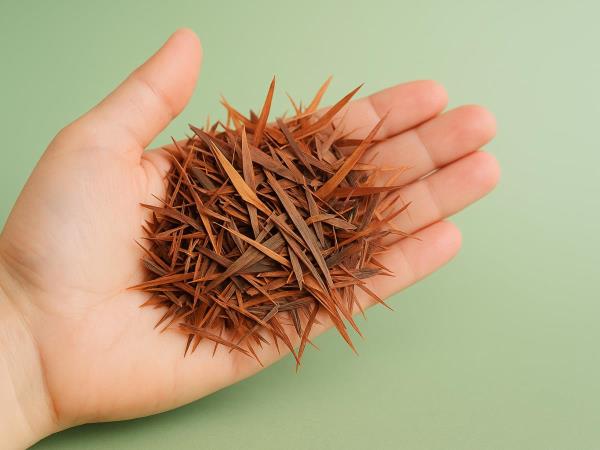
Imagine a tree whose bark, in laboratory tests, outperformed vitamin C and vitamin E as an antioxidant. That tree is real. It grows by the millions along the Atlantic coast of southwest France, and its bark is the source of one of the most widely studied plant extracts in the world: Pycnogenol.
From a Desperate Winter to a Laboratory in Bordeaux
The story starts nearly five centuries ago with one of history's best-known explorers. In the winter of 1535–1536, the French navigator Jacques Cartier and his crew were trapped by ice on the St. Lawrence River, near today's Quebec City. Living on salted meat and hard biscuits, the men began falling ill with scurvy, and some of them died. Then local Iroquoians showed them how to brew a tea from the bark and needles of an evergreen tree they called annedda. According to Cartier's own account, the crew recovered within days. He called it the "tree of life."
Historians still debate which tree it was. A paper in the Journal of Ethnobiology and Ethnomedicine discusses several conifer candidates, with eastern white cedar and white pine among the most likely. But the story had a lasting effect. Centuries later, it caught the attention of Jack Masquelier, a scientist at the University of Bordeaux, who set out to find which compounds in tree bark could explain such an effect. His search led him to the maritime pine and to a group of plant compounds now known as procyanidins. In 1979 he gave his extract the name Pycnogenol.
What Is Pycnogenol?
About 80 years ago, biologists first became interested in the bark of the maritime pines (Pinus pinaster) that grow in the Landes forest of southwest France, the largest planted forest in Western Europe. Since then, the extract has been the subject of a large body of research. The pines contain a distinctive mix of flavonoids, and the standardized extract from the bark is called Pycnogenol. It is a registered trademark of the Swiss-based company Horphag Research and is standardized to contain about 70% procyanidins.
Production is remarkably concentrated: manufacturers describe processing roughly a thousand kilograms of bark to obtain a single kilogram of extract.
Pine Bark and Blood Sugar: A Promising Lead
One of the most interesting areas of research concerns blood sugar. Pycnogenol appears to slow down the activity of an enzyme in the gut, alpha-glucosidase, which breaks down complex carbohydrates into simple sugars. When this enzyme works more slowly, sugar from a meal may enter the bloodstream more gradually.
A laboratory study by researchers at the University of Würzburg, published in Diabetes Research and Clinical Practice, found that the pine bark extract inhibited this enzyme more strongly in the test tube than green tea extract and even acarbose, a prescription drug that works the same way. In a small human study published as a letter in Diabetes Care, people with type 2 diabetes who took the extract showed lower glucose levels in a dose-dependent pattern.
These results are encouraging, but they come from laboratory work and small trials. Pycnogenol is not a treatment for diabetes and should never replace medication or medical advice. If you already take blood-sugar-lowering medication, talk to your doctor before trying it, because the effects could add up.
If you want to understand how everyday factors like stress influence blood sugar, read our article Another pandemic among us ...
Wider Blood Vessels, Better Flow
Studies have also looked at circulation. In a double-blind, placebo-controlled trial by researchers at Hiroshima University, published in Hypertension Research, 16 healthy young men took either 180 mg of Pycnogenol per day or a placebo for two weeks. In the Pycnogenol group, the blood vessels' ability to widen in response to a natural signaling substance improved, with forearm blood flow in response to that signal rising by about 42%. The placebo group showed no such change. The researchers linked the effect to increased production of nitric oxide, a molecule that helps blood vessels relax.
It is an elegant result, but again a small one: sixteen participants, two weeks, healthy volunteers.
"20 Times Stronger Than Vitamin C": What That Really Means
You will often read that Pycnogenol is 20 times more powerful than vitamin C and 50 times more powerful than vitamin E as an antioxidant. These figures come from in vitro tests, which measure how well a substance neutralizes free radicals in a test tube. They are not the same as measuring what happens inside the human body, where absorption, metabolism and dozens of other factors come into play.
That is why it is worth knowing what the most rigorous reviews say. A Cochrane systematic review updated in 2020 examined pine bark extract for a wide range of chronic conditions, including asthma, blood pressure, venous insufficiency, blood sugar and osteoarthritis, and concluded that the current evidence is not yet strong enough to support its use as a treatment for any of them. The reviewers pointed to small study sizes and the need for larger, independent trials. In short: the science is promising, but not settled.
Because the modern diet is often low in flavonoids, many people choose to add them as a dietary supplement. A smarter first step, though, is to put more flavonoid-rich foods on your plate. Our article 10 Foods Nutritionists Swear By is a good place to start.
Why Plants Are Our Antioxidant Pharmacy
We get most of our antioxidants from plants, and there is a fascinating explanation for this. Plants stand in the sun all day, exposed to ultraviolet rays that generate damaging free radicals in their tissues. To protect themselves, they produce their own antioxidants, including vitamins E and C, flavonoids, and carotenoids such as lycopene and beta-carotene. When we eat plants, we borrow some of that protection.
That is also why most antioxidants used in supplements are isolated from plant parts: bark, seeds, leaves, fruit and roots. Tea is a good example. Learn how to get the most out of it in The Old Folk Trick of Green Tea with Milk: It Actually Works — But Only If You Make It Right.
Not Only Pine: The Silver Fir of Slovenia
Interestingly, the maritime pine is not the only conifer researchers are interested in. Bark and wood from many conifers are rich in polyphenols. In Slovenia, scientists have turned their attention to the silver fir (Abies alba), the tree that dominates forests such as those around Kočevje. A silver fir bark extract marketed as Abigenol has shown strong antioxidant activity in laboratory studies, including a 2022 study in the journal Antioxidants, where it helped protect cholesterol particles from oxidation in cell models. Researchers at the University of Ljubljana Faculty of Pharmacy have also developed and patented a silver fir branch extract, and a review published in Biologia Serbica summarizes early findings, including a smaller rise in blood sugar after meals in healthy volunteers. As with pine bark, these are early results that deserve larger studies.
More Is Not Always Better: Know Your Antioxidant Limits
There is one important thing to understand about antioxidants: the dose matters, and high-dose supplements are not automatically better than food.
Vitamin E. According to the U.S. National Institutes of Health Office of Dietary Supplements, adults need about 15 mg of vitamin E per day, and the safe upper limit from supplements is 1,000 mg. Too much vitamin E can have an anticoagulant (blood-thinning) effect, which can be risky, especially in people with low vitamin K levels or those taking blood thinners.
Vitamin C. The recommended intake of vitamin C is 75 mg per day for women and 90 mg for men. If you take more than 2 grams per day, you may experience nausea, stomach cramps and diarrhea. Excess vitamin C is excreted through the kidneys. Pairing vitamin C with the right foods also helps your body make better use of other nutrients, as explained in The Kitchen Trick Your Body Is Begging You to Learn.
Beta-carotene. From food, beta-carotene is considered safe, and the most visible sign of eating a lot of it is a harmless yellowish-orange tint to the skin. High-dose supplements are a different story. As the NIH Office of Dietary Supplements notes, large trials found that high-dose beta-carotene supplements increased the risk of lung cancer in smokers and people exposed to asbestos. Smokers should avoid them.
Coenzyme Q10. There is no official recommended intake. Supplements in clinical studies have typically used 30 to 200 mg per day, according to the National Center for Complementary and Integrative Health.
Still, when the possible downsides are compared with the benefits, the conclusion is clear: most of us would benefit from eating far more antioxidant-rich foods. Colorful vegetables, berries, nuts, legumes, herbs and tea deliver antioxidants together with fiber and other nutrients that no capsule can fully replace.
How to Use Pine Bark
Pine bark extract is available as capsules, tablets and powder. Products on the market commonly contain 30 to 100 mg per serving, and studies have used a range of doses, most often between 50 and 200 mg per day. Pine bark tea is another option. It is reportedly popular in Switzerland, Argentina, Korea, Italy, Germany, Finland and the Netherlands, while in many other parts of Europe it is still little known.
Pine bark extract is generally well tolerated, although some people report mild stomach upset, dizziness or headache. According to MedlinePlus, it may interact with blood thinners, diabetes medications and drugs that suppress the immune system, and there is not enough reliable information about its safety during pregnancy and breastfeeding. If you have a health condition or take any medication, talk to your doctor or pharmacist before you start.
The Bottom Line
From Jacques Cartier's frozen winter to modern laboratories, tree bark has a surprisingly long history in human health. Pycnogenol is one of the most studied plant extracts in the world, and the early findings on circulation and blood sugar are genuinely interesting. Independent reviewers, however, say larger and better studies are still needed. If you are curious about pine bark, treat it as a possible complement to a colorful, plant-rich diet, not as a replacement for it, and keep your doctor in the loop.
Information on this website is for educational purposes only and is not medical advice.
expert, nutritionist
 Would you like to be informed about news on the website?













|

