






10 Autumn Foods That Support Healthy Weight Loss and Help Your Body Prepare for Winter
expert, nutritionist
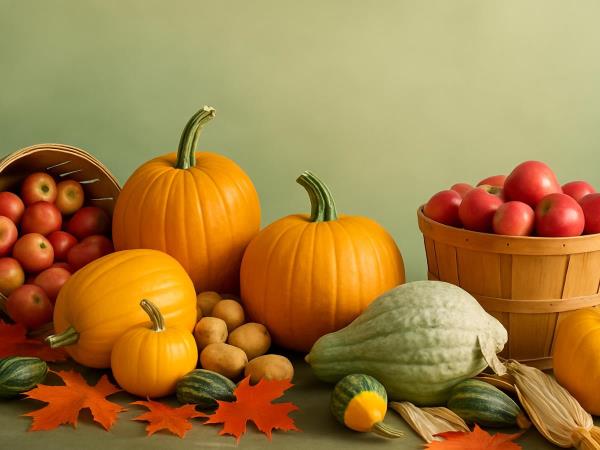
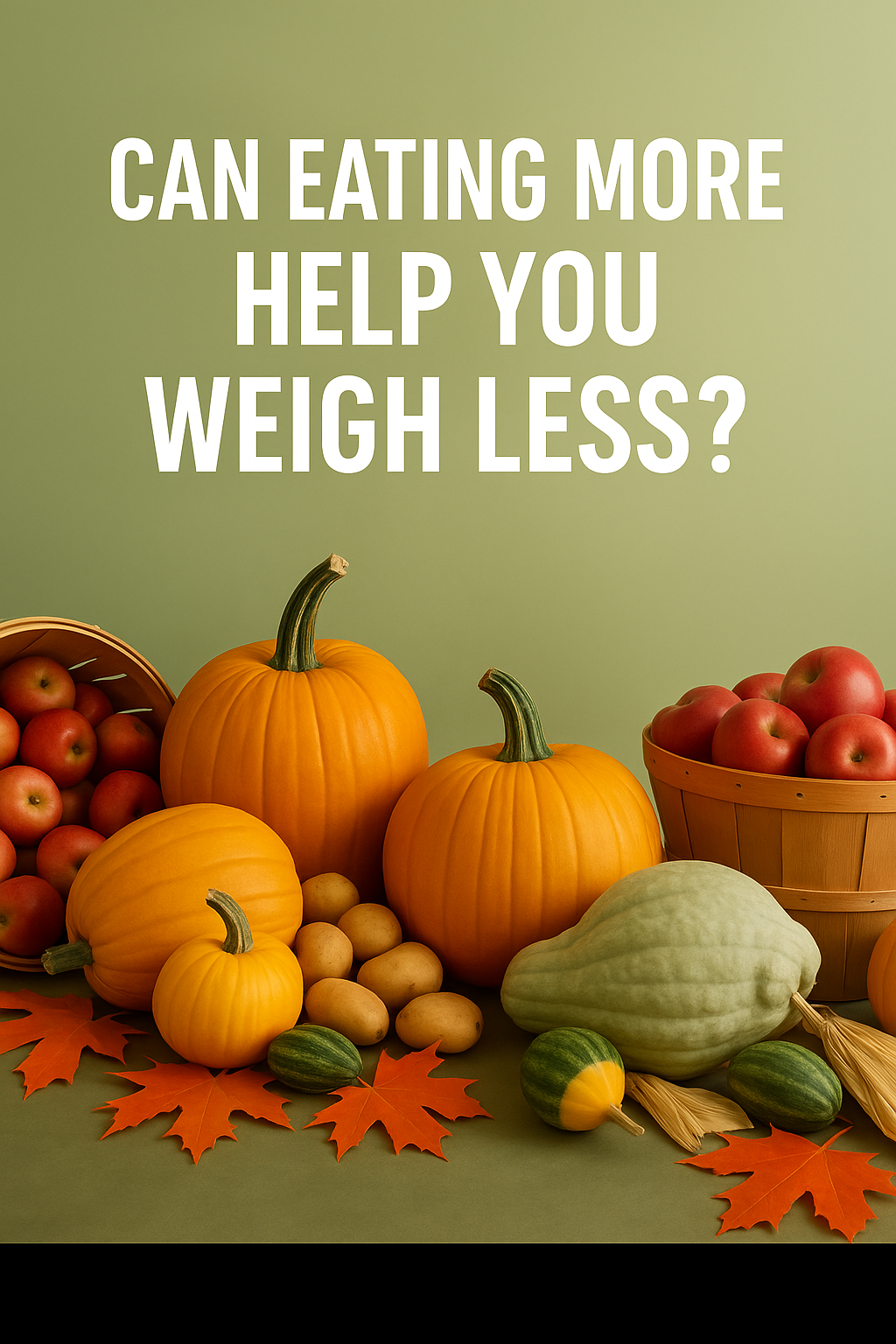
Here is a little-known truth about autumn: it is the one season when eating more can actually help you weigh less. The trick is in what you put on your plate. Autumn is the season when fruit and vegetables are at their very best. Among pumpkins, apples, blueberries and grapefruit hide foods that can support your weight-loss efforts and contribute to the normal function of your immune system.
If you choose the fruits of autumn carefully, you can shed a few kilos and look after your health at the same time. There is an old folk saying: in spring we lose weight for the eyes, in autumn we lose weight for our health. Precisely in autumn, when food is abundant, you should not overdo it, because overeating will only work against you. Don't forget that the goal is to greet winter fit and with your body in the best possible shape.
Singer Alanis Morissette is a good example of how a produce-rich way of eating can change how you feel. She credited a diet built largely on fruit, vegetables, beans and nuts, inspired by the book Eat to Live, with helping her lose about 20 pounds, and said she suddenly felt full of energy instead of waking up stiff and tired (Fox News). Many of our readers tell a similar story: when they swapped evening snacks for a bowl of baked apples or a cup of pumpkin soup, the kilos started to move without the feeling of being on a diet.
Eating seasonally also makes practical sense. Produce harvested at its peak tends to be fresher, tastier and often cheaper, as explained in this guide to what's in season in early autumn across Europe by FoodUnfolded. If you want to know which foods may help your body cope with the change from summer heat to autumn chill, read When the Weather Turns: 5 Foods That May Help Your Body Handle the Swing From Summer Heat to Autumn Chill.
1. Sheep's milk and cheese
The quality of cow's milk has become a topic of lively debate (read more in What is healthier: milk or yogurt?). If you have the opportunity to get homemade sheep's milk, you will get a generous amount of calcium. According to the USDA FoodData Central database, sheep's milk contains noticeably more calcium and protein per glass than cow's milk. Keep in mind that it is also richer in fat, so a moderate portion is enough. Sheep's cheese is an even more concentrated source of calcium; for a surprising comparison of cheese and milk, see Popcorn Beats Apples, and Sugar Beats Honey: 8 Nutrition Face-Offs That Flip Everything You Thought You Knew.
2. Pumpkins
Pumpkins are an exceptional treasure of fiber, vitamin A (in the form of beta-carotene) and potassium. The Academy of Nutrition and Dietetics notes that the beta-carotene in pumpkin is converted into vitamin A, which contributes to normal vision and skin. Pumpkin is also low in calories and very filling. Its uses are almost unlimited: soups, pasta sauces, meat dishes, and even desserts. Just like potatoes, pumpkins were once considered food for the poor. Today, pumpkin dishes are national specialties in many countries.
3. Red grapes
Red grapes contain resveratrol and other polyphenols, plant compounds that researchers have studied for their antioxidant properties and their potential role in protecting cells. The Linus Pauling Institute at Oregon State University points out that most of the promising results so far come from laboratory and animal studies, so grapes are best enjoyed as a tasty part of a varied diet rather than as a remedy. Folk wisdom has long recommended a glass of red wine before lunch, but the World Health Organization warns that no level of alcohol consumption is considered safe for health. If you want the benefits of grapes, eat the fruit itself.
4. Blueberries
Blueberries are a wonderfully rewarding food: they are low in calories and exceptionally rich in antioxidants, especially anthocyanins, the pigments that give them their deep blue color. You may have heard that blueberries are a "negative-calorie" food, but that is a myth; your body does not burn more energy digesting them than they provide. What is true is that they are filling, sweet and light. A large study published in The BMJ, which followed more than 124,000 adults, found that people who ate more flavonoid-rich fruits such as blueberries tended to gain less weight over time. Late-season and frozen blueberries are just as nutritious as fresh ones.
5. Apples
Just under the skin of an apple lies most of its fiber, including pectin, which supports normal digestion. Apples also provide vitamin C, potassium and polyphenols, so it is best to eat them unpeeled. The Harvard T.H. Chan School of Public Health explains that fiber-rich foods help you feel full for longer, which makes apples an ideal "filler" between meals. Thanks to their high water content and crunch, you can enjoy them often without worrying about calories. The same BMJ study mentioned above also linked apples and pears to better weight maintenance.
6. Beetroot
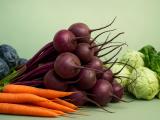
Many people find that beetroot helps them feel satisfied and gently curbs the craving for something sweet, thanks to its natural sweetness and fiber. Beetroot is a source of naturally occurring nitrates, and a study published in the journal Hypertension found that daily beetroot juice was associated with lower blood pressure in participants. It also provides folate, potassium and the red pigment betanin. Folk tradition credits beetroot with "balancing" the body's pH, but the body regulates its own pH very precisely, so beetroot is best valued simply as a colorful, nutrient-rich vegetable.
7. Kiwi
When the evenings get cooler and the days shorter, fresh vitamins are harder to come by. In winter, kiwis are one of the richest fruit sources of vitamin C. In fact, kiwi contains more vitamin C per 100 grams than lemon, so the popular belief that kiwi beats lemon is actually well founded. The NIH Office of Dietary Supplements lists kiwifruit among the top food sources of this vitamin, which contributes to the normal function of the immune system. Kiwi also offers antioxidants, fiber, and vitamins K and E. Vitamin C also helps the body absorb iron from plant foods, which is the idea behind our Green Kiwi Smoothie: A Simple Way to Help Your Body Get More Out of Plant Iron.
8. Pears
Pears are an unfairly overlooked fruit, but they offer minerals such as potassium, magnesium and calcium, as well as vitamin C and vitamin K. According to the Academy of Nutrition and Dietetics, one medium pear eaten with its skin provides about 6 grams of fiber, which supports normal digestion and a pleasant feeling of fullness. Traditional medicine has attributed many healing powers to pears, but their greatest proven strength is simple: they are sweet, juicy and light, and they are at their best in autumn. Try them baked, poached or sliced with a little cheese.
9. Broccoli
Broccoli is rich in vitamin C, contains calcium and plenty of fiber, and is a wonderfully versatile vegetable that can be prepared in a thousand ways: as a side dish, in soup, as a pur{-15447}e or as a dish of its own. It also contains glucoraphanin, which the body converts into sulforaphane, a compound that the Linus Pauling Institute describes as one of the most widely studied plant compounds in cruciferous vegetables. To preserve as many nutrients as possible, steam broccoli lightly instead of boiling it for a long time.
10. Grapefruit
It is true that grapefruit is rich in vitamin C and fiber, but it is valued for two other qualities as well: its bitter taste can help curb appetite, and it may support more stable blood sugar levels. In a 12-week study published in the Journal of Medicinal Food, participants who ate half a fresh grapefruit before meals lost slightly more weight than the control group and showed better insulin values. The famous "grapefruit diet" promised far more than that, as you can read in 200 Years of Diet Fads That Fooled Us — and Somehow Still Changed the World.
Important: grapefruit can interact with a number of common medications, including some cholesterol-lowering and blood pressure drugs. The U.S. Food and Drug Administration advises checking with your doctor or pharmacist before adding grapefruit to your diet if you take any medication. If you enjoy it, try our refreshing Grapefruit, Lemon and Parsley Team Up: The Morning-After Drink Your Body Will Thank You For.
A final word
None of these foods works miracles on its own, but together they make it easy to eat lighter, fuller and more colorfully during the season when the markets are at their richest. Fill half your plate with autumn vegetables and fruit, keep portions of heavier dishes moderate, take a walk on sunny afternoons, and you will greet winter feeling light and well. As one of our readers put it: "In autumn I stopped counting calories and started counting colors on my plate. The kilos took care of themselves."
Information on this website is for educational purposes only and is not medical advice.
expert, nutritionist
 Would you like to be informed about news on the website?










|

