






Five Autumn Foods Your Brain Waits For Every Year: A Spring for Your Memory Is on Your Plate
expert, nutritionist
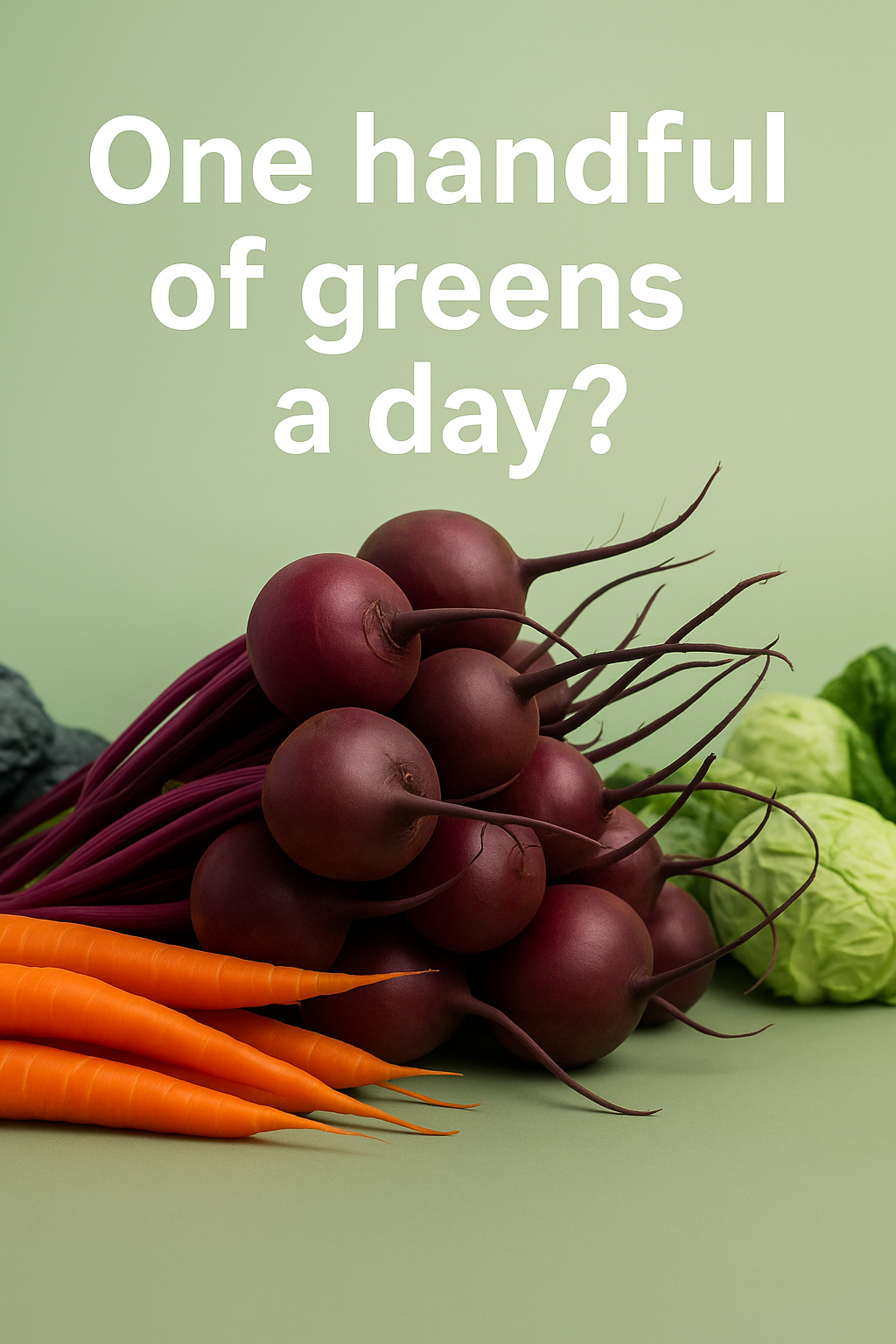
One handful of greens a day. In a well-known study, that was enough to separate older adults whose thinking skills stayed sharper from those whose skills slipped faster, by a margin researchers compared to about 11 years of brain aging. No pills, no powders, no expensive superfoods. Just ordinary food that is in season right now and probably sitting at your local market for a few euros.
When the days get shorter and temperatures drop, our brain behaves like a room that needs regular airing. In folk tradition, autumn tables carried a warm root, something sour, something red and plenty of green. Today we call much of this "antioxidants." These are plant substances that help protect our cells from damage by free radicals, the tiny "sparks" produced during normal metabolism that are best kept calm.
A Famous Voice for Eating With Your Brain in Mind
Journalist and author Maria Shriver knows this topic personally. Her father, Sargent Shriver, was diagnosed with Alzheimer's disease in 2003. Shriver later explained that after traveling the country to talk with researchers and doctors, she realized how much daily diet matters for the brain, and she reshaped her own eating habits. Shriver founded the Women's Alzheimer's Movement and became one of the best-known advocates for brain health. In interviews she has passed on the advice of the prevention doctors she works with: "eat the rainbow", meaning get as many colors of fruit and vegetables onto your plate as possible. Orange sweet potatoes, red beetroot and cranberries, and deep green leaves are about as rainbow as autumn gets.
A reader of ours in her sixties told us she started her own "colorful plate" after noticing she was forgetting names more often. "I didn't change anything dramatic," she said. "I just made sure there was something orange, something red and something green on my plate every day. After a few months, I felt more alert in the afternoons, and I stopped reaching for a third coffee." Her experience is personal, not a clinical result, but it captures the spirit of this article: small, steady habits.
What Is Cognitive Decline?
It is a slow decline in memory, thinking speed and attention that tends to come with age. It is not a disease in itself. It is a trend, and everyday habits such as diet, movement, sleep and social contact may help slow it.
Why Autumn Food Is Good for the Brain
Autumn vegetables work like a team with different superpowers:
- Vitamin C (for example in sweet potatoes and cranberries) supports the immune system and helps the body manage inflammation. Inflammation is the body's alarm system: useful up to a point, but potentially harmful if it lingers too long.
- Beta-carotene (in sweet potatoes) is an orange pigment that the body converts into vitamin A as needed. Vitamin A plays a role in protecting cells, including those in the eyes and brain.
- Folate (in beetroot and leafy greens) is a form of vitamin B9 and is essential for cell division and normal function of the nervous system. According to the National Institutes of Health Office of Dietary Supplements, folate helps keep homocysteine in check. Homocysteine is an amino acid in the blood, and higher levels have been associated with poorer blood vessel health and memory.
- Nitrates from beetroot can be converted in the body into nitric oxide, which helps blood vessels relax and supports blood flow, including to the brain.
- Polyphenols (in cranberries and greens) are plant "shields" that research often associates with better memory and slower cellular aging.
- Gingerols (in ginger) are the pungent compounds behind ginger's warmth. They are studied for their gentle anti-inflammatory properties.
A growing body of research supports these old folk observations. Three examples stand out:
- Leafy greens and memory: researchers led by Martha Clare Morris at Rush University followed 960 older adults in the Rush Memory and Aging Project. Those who ate about one serving of leafy greens a day showed slower age-related cognitive decline than those who rarely ate them. The finding was reported by the U.S. National Institute on Aging.
- Cranberries and older adults: in 2022, scientists at the University of East Anglia published a 12-week study in Frontiers in Nutrition. Adults aged 50 to 80 who took cranberry powder daily (equivalent to about a cup of berries) performed better on visual memory tests than the placebo group. They also showed improved blood flow to brain regions involved in memory.
- Beetroot and blood flow: researchers at Wake Forest University showed that a nitrate-rich breakfast including beet juice increased blood flow to the frontal lobes in adults aged 70 and older. Other trials have also linked beetroot juice to short-term improvements in attention tasks.
1. Sweet Potato: The Orange Memory Snack
Sweet potatoes are full of beta-carotene, vitamin C and fiber. Fiber works like a broom for the gut: it helps steady blood sugar and feeds beneficial bacteria. According to USDA FoodData Central, one medium baked sweet potato provides more than a full day's recommended vitamin A (from beta-carotene) and roughly a fifth of daily vitamin C needs. That is a lot for something that costs a few euros and works in practically any oven.
How it supports the brain: antioxidants help reduce oxidative stress, and fiber supports the gut. The gut and brain stay in constant contact through the vagus nerve, a bit like a telephone line. When the gut is happy, many people notice a calmer, clearer head. If you want to read more about why fiber matters so much, see our article Fiber is the express train to your happiness.
Homemade ideas:
- The simple way: cut into wedges, drizzle with olive oil, and add cinnamon (folk tradition says it warms and helps digestion) and a pinch of salt. Bake for 25 to 35 minutes at about 200 {-15696}C (390 {-15696}F).
- The folk version: once baked, add a spoonful of hazelnut or almond butter and a slice of apple. The result is a soft, warm "sandwich" for the brain.
Tip: during the first lockdowns, many families used sweet potato as a quick pizza base: thin slices, a little tomato, herbs, into the oven. Children love it too.
2. Ginger: A Small Root With Great Warmth
Ginger contains vitamin B6, manganese and gingerols, the pungent compounds studied for their anti-inflammatory effects. Traditionally it is used for digestion, motion sickness and chilly mornings. Folk medicine has found many more uses for it; one of them is described in our article Miraculous Ginger Compresses.
How it supports the brain: slow, low-grade inflammation is associated with faster memory decline, and ginger may help keep that "low flame" in check. In a 2012 study published in Evidence-Based Complementary and Alternative Medicine, healthy middle-aged women who took a standardized ginger extract for two months showed better working memory and attention than the placebo group. This is not magic: the effects are small but interesting, and they came from an extract rather than kitchen ginger.
Homemade ideas:
- Ginger tea: pour hot water over 3 to 5 thin slices of ginger, then add lemon and a teaspoon of honey. Honey is a natural sugar with traces of protective plant compounds.
- Vegetable soup: while saut{-15447}ing onion and carrot, add 1 cm of grated ginger. A comforting warmth spreads through the body. If you like smooth soups, our article Tasty and Healthy Meals from the Blender has more ideas.
Tip: many cooking blogs report that combining ginger, cinnamon and cocoa in warm drinks reduces sugar cravings. That means fewer sugar spikes and a calmer head in the afternoon.
Note: if you take blood-thinning medication or have a scheduled surgery, talk to your doctor before eating ginger in large amounts.
3. Beetroot: The Red Turbo for Brain Circulation
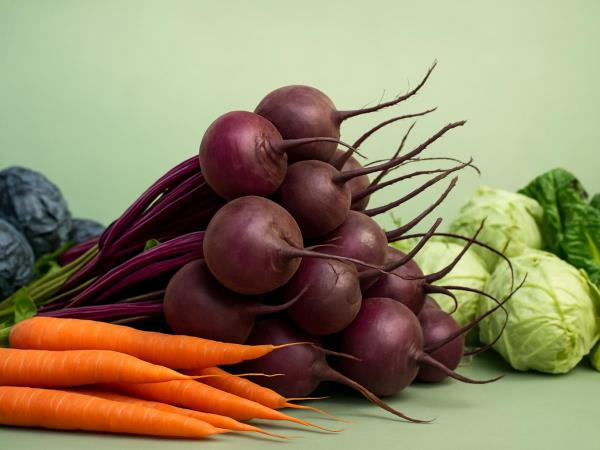
Beetroot is rich in folate (B9), potassium, some vitamin C, and nitrates. Nitrates can be converted into nitric oxide, which helps blood vessels widen so blood flows more easily. One cup of cooked beetroot provides about 30 to 35% of daily folate needs.
How it supports the brain: better blood flow means more oxygen and nutrients reach the brain. In the Wake Forest University study, MRI scans showed increased blood flow to the frontal lobes after a high-nitrate breakfast. In several other trials, beetroot juice taken before a mental test or exercise led to short-term improvements in attention tasks. Folk wisdom has long known this: red in the cheeks, red in the thoughts.
Homemade ideas:
- Roasted beetroot: wrap in baking paper or foil and bake at 180 to 200 {-15696}C (355 to 390 {-15696}F) for 45 to 60 minutes, depending on size. When soft, peel and add goat cheese or a teaspoon of horseradish. The sharp root clears the nose and wakes you up.
- Memory salad: cooked beetroot, a spoonful of sauerkraut, a pinch of caraway and walnuts. Fermented cabbage brings beneficial bacteria. It is a simple meal that costs little and keeps you full for a long time.
Note: beetroot and its juice can tint your urine pink or red. This is harmless and normal, so don't be alarmed.
4. Cranberries: Small, Sour and Smart
Cranberries are a good source of vitamin C, manganese and polyphenols, which have antioxidant and anti-inflammatory properties. In practice, they help the body deal with the effects of everyday stress, including the occasional less-than-ideal food choice.
What science says: in the University of East Anglia study, older adults who consumed cranberries daily for 12 weeks showed better visual episodic memory (memory of everyday events) and improved blood flow to brain areas involved in memory. They also showed a drop in "bad" LDL cholesterol. The study was funded by the Cranberry Institute and involved healthy participants, so more research is needed. With cranberries, regularity matters more than quantity: a little every day rather than a lot once in a while.
Homemade ideas:
- Frozen cranberries: often cheaper than fresh. Stir a spoonful or two into your oatmeal.
- Quick sauce: put a cup of cranberries, half a cup of water, a spoonful of honey and a slice of orange into a pot. Simmer for 10 minutes. The sauce keeps in the fridge and goes well with yogurt or baked sweet potato.
Choose whole or frozen berries over sweetened cranberry juice, which often contains a lot of added sugar and very little fiber.
In some places, the "sour berry" was recommended for "a clear head before work." Apparently they already knew why...
5. Leafy Greens: The Green Safety Net
Cabbage, spinach, Swiss chard, kale and their relatives provide vitamin K, vitamin E, vitamin C, folate and potassium. Just one handful a day helps you stay "on the safe side" with these key micronutrients. Eat green for dinner, slowly but steadily.
What science says: in the Rush Memory and Aging Project, people who ate a daily serving of leafy greens showed slower cognitive decline over the years than those who rarely ate them. The researchers pointed to the combination of nutrients in greens, including folate, vitamin K, lutein and nitrates. Leafy greens are not a magic pill. They are a plate habit.
Homemade ideas:
- Quick garlic greens: lightly saut{-15447} garlic in a teaspoon of oil. Garlic is a source of sulfur compounds, and folk tradition credits it with "cleansing the blood." Add a handful of greens, a pinch of salt and a drop of lemon. In two minutes you have a green side dish that goes with any lunch.
- Green sandwich: whole-grain bread, a spread (cottage cheese or hummus) and a generous layer of raw leafy greens. Your brain loves fiber and micronutrients.
Note: if you take blood thinners such as warfarin, keep your intake of vitamin K–rich greens steady from day to day and discuss your diet with your doctor.
Ideas for Every Day
When people cooked at home more often, many filled half of their Sunday roasting tray with ordinary potatoes and the other half with sweet potatoes, then added carrots and beetroot on top. Families reported that children got used to an "orange and red plate," especially with a sprinkle of cinnamon (for a sweet aroma) or a spoonful of yogurt.
If you work in an office or from home and feel very tired after 3 p.m., try a simple ginger-and-lemon ritual. Half an hour before, snack on a handful of frozen cranberries, and repeat at 4 p.m. That adds up to two handfuls of cranberries a day. Many people find this helps them stay focused and skip the third coffee.
On cold days, a warm drink can be part of the same ritual. Our article Warm Water with Turmeric Against Winter Troubles describes another simple seasonal habit.
7-Day Mini Plan (No Complications)
- Breakfast: oatmeal with a teaspoon of cranberries (or apple, if you have no cranberries) and a pinch of cinnamon.
- Snack: ginger tea (3 slices of ginger, lemon, honey).
- Lunch: baked sweet potato one day, beetroot with horseradish the next. Add a handful of greens every day, raw or quickly saut{-15447}ed.
- Dinner: a hearty soup (vegetable base, carrot and leafy greens) or a green sandwich.
- Water: plain, or with two slices of lemon. Staying hydrated can noticeably help with "brain fog."
What the Research Says: A Quick Summary
- Cranberries: daily intake was associated with better memory test results and improved brain blood flow in healthy older adults (Frontiers in Nutrition, 2022).
- Leafy greens: people eating one green serving a day showed slower cognitive decline than those who rarely ate greens (Rush University / National Institute on Aging).
- Beetroot and nitrates: a nitrate-rich breakfast with beet juice increased blood flow to the brain, as measured by MRI (Wake Forest University).
- Ginger: a standardized ginger extract was associated with better working memory and attention in a small trial (Evidence-Based Complementary and Alternative Medicine, 2012). This matches the folk use of ginger "against a foggy head."
- Sweet potato (beta-carotene, vitamin C): the combination of antioxidants and fiber supports lower oxidative stress and steadier energy. In everyday life, that shows up as fewer "ups and downs" after meals.
Frequently Asked Questions
Can food prevent dementia?
No single food can prevent dementia. Research does suggest that an overall eating pattern rich in vegetables, berries, leafy greens, nuts and whole grains, together with exercise, good sleep and an active social life, is associated with healthier brain aging.
Are frozen cranberries and greens as good as fresh?
Yes, for everyday purposes. Frozen produce is picked and frozen at peak ripeness and keeps most of its nutrients. It is often cheaper too.
How quickly will I notice a difference?
Some people notice steadier energy within a few weeks. Long-term brain benefits, however, are about consistency over months and years, not quick fixes.
Your Week for a Sharper Memory
You don't need to buy exotic powders or capsules. For a few euros a week you can bring sweet potatoes, ginger, beetroot, cranberries and leafy greens into your meals and help support memory, attention and mood. Folk practice has done this for decades: a little warmth, a little sourness, a lot of green. The science of recent years increasingly agrees.
Let your autumn plate be both nourishment and joy. Treat your body like a good machine: you don't pour syrup into it, you give it warm soup, a sour berry and a plate of greens. Your brain will thank you, not with applause but with a clear memory.
Information on this website is for educational purposes only and is not medical advice.
expert, nutritionist
 Would you like to be informed about news on the website?









|

