



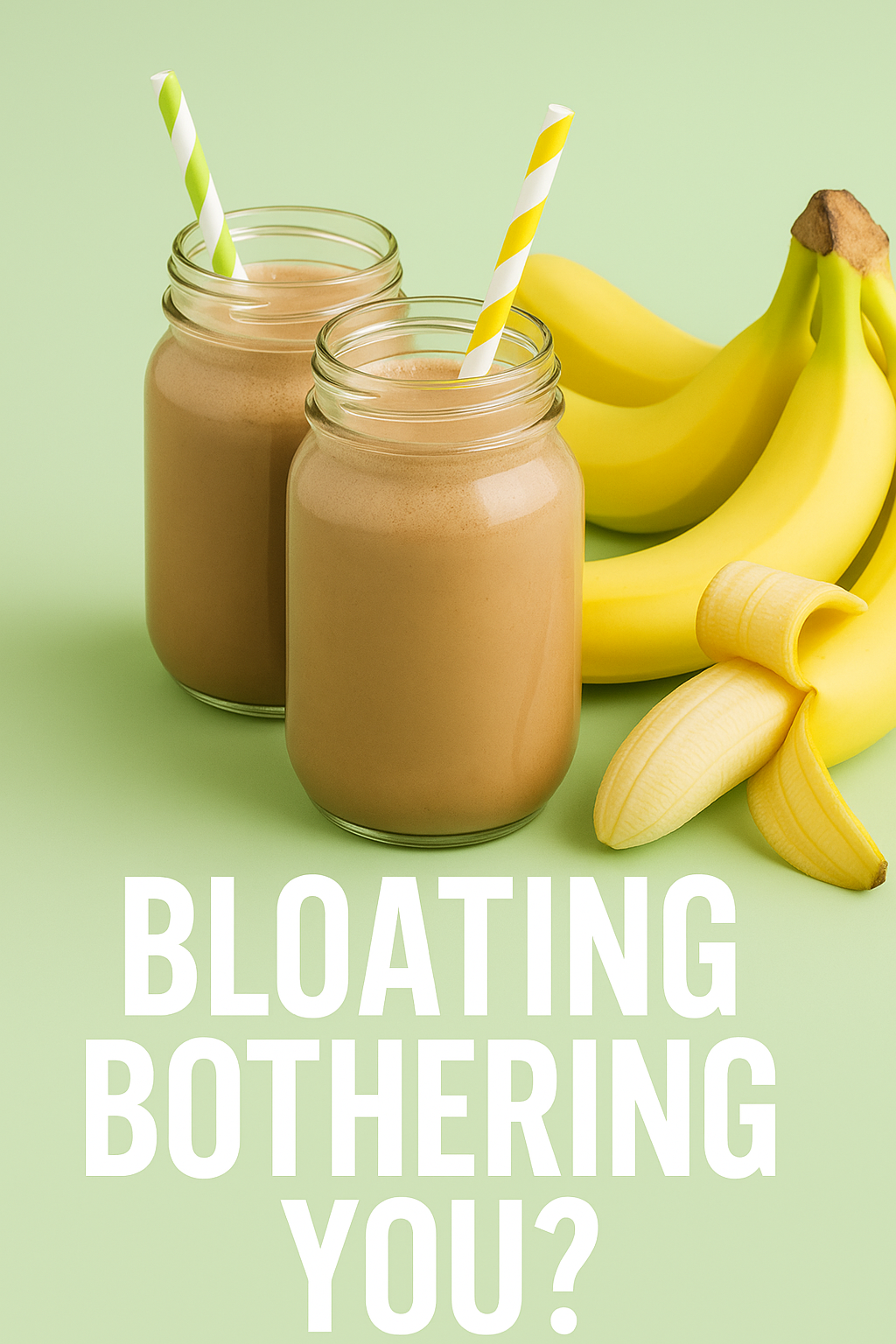


Bloating Bothering You? 10 Foods That Bring Peace Back to Your Belly
expert, nutritionist
Bloating Bothering You? 10 Foods That Bring Peace Back to Your Belly
From bananas and walnuts to dark chocolate – everyday foods rich in fiber, potassium, water and healthy fats may help keep digestion running smoothly and leave your belly feeling lighter, as part of a varied, balanced diet.
Your jeans fit perfectly at breakfast, yet by evening they feel a size smaller? You are far from alone. Bloating is one of the most common digestive complaints people bring to their doctors, and according to the U.S. National Institute of Diabetes and Digestive and Kidney Diseases (NIDDK), gas and a swollen, tight belly are a normal part of digestion that most of us experience regularly. The good news? Very often, part of the answer is already sitting in your kitchen.
Even Jennifer Aniston's Stomach Has Its Limits
Hollywood star Jennifer Aniston, known for her disciplined, mostly natural diet, once admitted that a single fast-food meal was enough to throw her digestion off balance. In an interview with New York Magazine, she recalled a road trip with her then-fianc{-15447} Justin Theroux when the only option nearby was McDonald's. She ordered a Big Mac – and described the experience as "like putting gasoline in a purified system," explaining that it made her stomach turn and left her feeling awful.
Aniston has also shared that her mornings often begin not with a heavy breakfast but with something light – she told Radio Times that on one typical day she started her day with a celery juice before even reaching for coffee. Interestingly, celery is the very first food on our list.
Many people recognize a similar story from everyday life: a salty takeaway pizza on Friday evening, a sweet pastry with coffee on Saturday morning – and by Saturday afternoon, a belly that feels as tight as a drum. Nutritionists hear this pattern constantly, and it shows how quickly our digestion reacts to what lands on our plate.
Why Does the Belly Bloat?
Bloating is often a sign that your digestive system is struggling with certain types of food and is coping in every way it can – usually by producing more gas as gut bacteria break down what the body could not digest on its own. That is why it is important to find out which foods trigger it in your case. A simple food diary, in which you note what you ate and how you felt a few hours later, can reveal surprising patterns within a week or two. People with sensitive digestion often find helpful guidance in the low-FODMAP approach developed by researchers at Monash University in Australia – ideally with the support of a dietitian.
Food, however, is not the only cause. Bloating can also be linked to eating too much sodium and sugar. The World Health Organization (WHO) points out that most people consume far more salt than recommended, and researchers at the Johns Hopkins Bloomberg School of Public Health have noted that higher salt intake was associated with more bloating, suggesting that cutting back on salt may be one simple way to ease it. You will almost certainly feel bloated after processed and fatty food, too – and after simply eating too much. What happens in the body after a really big meal is described in our article When Pizza Becomes an Experiment: What Really Happens in the Body When You Eat Too Much?
The good news is that you can help ease all of this with the following foods. (For even more practical tips, see also Get Rid of Bloating and Excess Water.)
1. Celery and Cucumbers
Celery and cucumbers are made up of roughly 95 percent water and also provide potassium, which helps the body maintain a healthy fluid balance. Many people find that they feel lighter after eating them, and their crunchy texture makes them a refreshing, low-calorie snack that keeps digestion moving. That is why they are among the most popular foods for people who want to reduce that heavy, puffy feeling.
Nutritionist's tip: celery contains natural sugar alcohols (mannitol), so people with a very sensitive gut may tolerate it better in smaller portions – a stalk or two rather than a large glass of juice every day.
2. Watermelon
The second half of summer is the main watermelon season, but it is still good to know that watermelons are rich in water and electrolytes such as potassium. They help with hydration, may support the body in balancing out excess salt and act as a mild natural diuretic, which is why many people find them refreshing and "cleansing". Fresh cabbage and dandelion have traditionally been valued for similar properties – dandelion leaf tea in particular has long been used in folk medicine as a gentle diuretic.
Good to know: watermelon is rich in fructose, and raw cabbage is known for producing gas. If you are prone to bloating, enjoy watermelon in moderate portions, and try cabbage cooked or fermented (as sauerkraut) rather than raw in large amounts.
3. Bananas and Melons
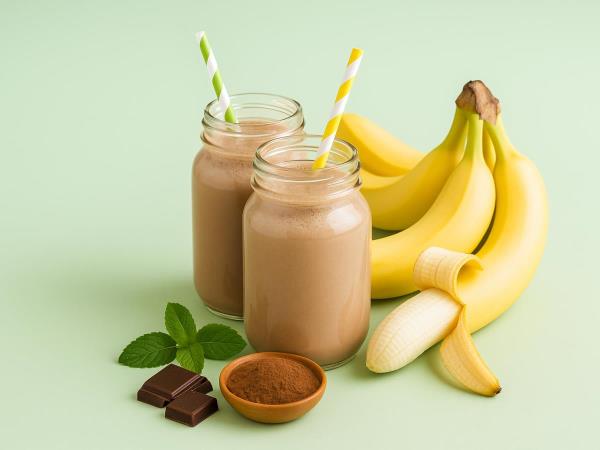
Bananas are rich in potassium, and melons provide both potassium and plenty of water. Potassium plays an important role in regulating fluid balance in the body and acts as a natural counterweight to sodium, which tends to hold water. According to the NIH Office of Dietary Supplements, most adults do not get enough potassium from their diet, and a large meta-analysis published in The BMJ linked higher potassium intake with healthier blood pressure. Similar benefits can be found in kiwifruit, broccoli, sweet potatoes, tomatoes and many other fruits and vegetables.
Caution: people with kidney disease or those taking certain blood pressure medications should talk to their doctor before significantly increasing their potassium intake.
4. Berries
Raspberries, blackberries and blueberries are rich in vitamins, minerals and fiber. Fiber in particular is what stimulates, "sweeps" and supports normal digestion. If you want to boost the power of berries, combine them with Greek yogurt, which provides protein and, in live-culture varieties, beneficial bacteria, and with oat flakes, which are exceptionally rich in fiber. Why fiber deserves a permanent place on your plate is explained in detail in our article The Secret Weapon Against Stubborn Weight: Is Fiber the One Thing Missing From Your Diet?
Important: fiber is wonderful, but increase it gradually and drink enough water. A study based on the OmniHeart trial, published in Clinical and Translational Gastroenterology, found that participants on a high-fiber diet were about 40 percent more likely to report bloating when the diet was richer in protein than when it was richer in quality carbohydrates. The researchers believe this happens because fiber feeds beneficial gut bacteria, which produce gas as a by-product – usually a temporary sign that the gut is adapting. The Harvard T.H. Chan School of Public Health also recommends spreading fiber-rich foods throughout the day.
5. Dark Chocolate
Good news for chocolate lovers: dark chocolate is rich in antioxidant compounds called flavanols and also provides magnesium, a mineral that supports normal muscle function, including the muscles of the digestive tract. Many people find that a few squares of quality dark chocolate satisfy a sweet craving far better than sugary desserts, which are a common cause of bloating. The chocolate should contain at least 70 percent cocoa, and 2 to 3 squares a day are enough. Anything more becomes fattening – something we also warn about in our article Hello, and Fattening: Foods that Sabotage Your Diet.
6. Leafy Green Vegetables
Lettuce, kale, spinach and other leafy greens are rich in vitamins, minerals and above all fiber, which helps keep digestion regular and can help prevent that heavy, bloated feeling. Spinach and lettuce are generally very gentle on the stomach, while kale and other tougher greens are often easier to digest when lightly cooked or steamed rather than eaten raw in large quantities.
7. Potatoes
Potatoes boiled in water are an excellent source of potassium, and if you eat them with their skin, they are also a good source of fiber. Potatoes are usually well tolerated and can help ease bloating, especially when they replace salty, fried side dishes. An extra bonus: when boiled potatoes cool down, some of their starch turns into resistant starch, which, as the British Nutrition Foundation explains, feeds beneficial gut bacteria in the large intestine. Detailed nutritional values for potatoes and other foods can be checked in the USDA FoodData Central database.
8. Walnuts
Many nutrition experts believe that foods rich in omega-3 fatty acids support overall well-being and may help the body cope better with inflammation and fluid retention, although most research on omega-3s has so far focused on heart health, as summarized by the NIH Office of Dietary Supplements. In addition to plant-based omega-3 fats, walnuts also contain plenty of magnesium and some calcium, both of which have a notable influence on general well-being. A small handful (about 30 grams) a day is a sensible portion.
9. Brown Rice
Brown rice contains plenty of fiber, magnesium and B vitamins, especially vitamin B6. All of these nutrients support better digestion, help regulate bowel function and may help prevent water retention. A registered dietitian at Hartford HealthCare's Digestive Health Institute lists brown rice, oats and whole wheat bread among the simplest ways to add fiber and keep digestion moving – while placing processed and fried foods among those that tend to slow it down.
10. Kiwifruit
Kiwifruit deserves a place of its own on this list. Besides potassium and vitamin C, it contains fiber and a natural enzyme called actinidin, which may help the stomach break down protein. In a clinical trial published in The American Journal of Gastroenterology, eating two green kiwis a day helped people with constipation about as well as prunes or psyllium – and many participants reported less abdominal discomfort. Because constipation is a frequent hidden cause of bloating, a kiwi or two at breakfast may be a delicious way to keep things moving.
Small Habits That Make a Big Difference
Food is only part of the story. The NIDDK notes that we also swallow air when we eat quickly, chew gum or drink carbonated beverages. A few simple habits can help:
- Eat slowly and chew every bite thoroughly.
- Limit fizzy drinks, chewing gum and sugar-free sweets containing sugar alcohols.
- Take a short 10 to 15 minute walk after meals.
- Drink water regularly throughout the day, especially when eating more fiber.
- Get enough sleep – poor sleep affects appetite and digestion, as we explain in When you sleep too little, your belly grows.
When to Talk to a Doctor
Occasional bloating is normal and usually harmless. However, the UK National Health Service (NHS) advises seeing a doctor if bloating keeps coming back or does not go away, especially if it is accompanied by unexplained weight loss, ongoing changes in bowel habits, blood in the stool, severe abdominal pain or a lasting loss of appetite. Persistent bloating can sometimes be linked to food intolerances, irritable bowel syndrome or other conditions that deserve professional attention.
Information on this website is for educational purposes only and is not medical advice.
expert, nutritionist
 Would you like to be informed about news on the website?











|

