






Homemade Philadelphia-Style Cream Cheese from Four Ingredients: The Recipe Born from a Dairyman's Happy Accident
expert, nutritionist
Many home cooks say the homemade version tastes fresher and costs less than the packaged one, and you can see every single ingredient in your spread.
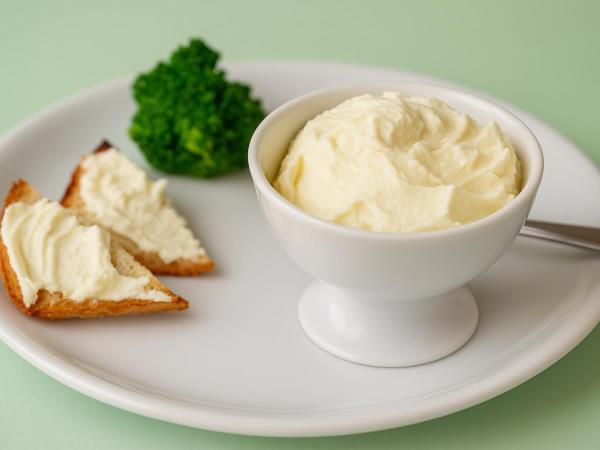
The milk comes to a boil, you stir in the yogurt, and twenty minutes later you are holding a smooth, creamy mass that tastes remarkably like the famous American cheese. You need no rennet, no special equipment and no days of waiting. Homemade Philadelphia-style cream cheese is one of those recipes that makes you wonder why you never tried it before.
A university student who shares a flat with three roommates once sat down and calculated how much money the four of them spent on store-bought spreads every month. When she tried the homemade recipe for the first time, she was most surprised by how easy it was: milk, yogurt, a pinch of salt and some lemon were all she needed. Today she makes a fresh batch every week, and the money she used to spend on packaged spreads now goes toward the household bills. Readers who have tried the recipe tell a similar story. Once you see how quickly the curds form, the little ritual becomes part of your weekly routine.
From a Dairyman's Mistake to Worldwide Fame
Philadelphia is one of the most recognizable cream cheese brands in the world, but its story is not as simple as it first appears. Despite the name, the cheese was never made in Philadelphia.
According to the history of cream cheese, in 1872 a dairyman named William Lawrence in Chester, New York, began producing a rich, unripened cheese. Popular accounts say he was trying to make the soft French cheese Neufch{-15454}tel and added more cream than the recipe called for. In 1880, the New York cheese distributor Alvah Reynolds began selling Lawrence's product under the name "Philadelphia," because the city had a reputation for exceptionally high-quality dairy products at the time. The brand later passed to the Phenix Cheese Company, which merged with Kraft in 1928. Today Philadelphia cream cheese belongs to the Kraft Heinz Company and is sold in many countries around the world.
The city lent its name to another famous dish as well. In 1930, Italian-American brothers Pat and Harry Olivieri ran a hot dog stand in South Philadelphia. One day they grilled some chopped beef with onions on a roll, and a passing taxi driver liked the smell so much that he asked for the same sandwich. That moment is remembered as the beginning of the Philly cheesesteak, which later gained its signature slice of cheese. Neither dish was really "invented" by the city, yet both carry its name around the globe.
The idea of fresh cream cheese is much older than the American brand. Recipes for similar fresh, unripened cheeses appear in English sources as early as 1583, and a comparable recipe was recorded in France in 1651. The brand simply gave the product the name we know today.
Why Homemade Cream Cheese Is Worth a Try
Homemade cream cheese has one big advantage over the store-bought kind: you know exactly what is in it. Under the U.S. Food and Drug Administration (FDA) standard of identity for cream cheese, commercial cream cheese must contain at least 33% milkfat. To improve texture and shelf life, the standard allows certain stabilizers, such as xanthan gum, carob bean gum, karaya gum or carrageenan. A homemade version simply leaves these additions out. They are approved for use, but many people prefer a shorter ingredient list.
The yogurt in this recipe also adds interest. Plain yogurt with live cultures contains lactic acid bacteria, and many people find fermented dairy easier to enjoy than plain milk. According to the National Institute of Diabetes and Digestive and Kidney Diseases (NIDDK), some people with lactose intolerance can tolerate yogurt and certain cheeses better than milk. Keep in mind that boiling the milk and yogurt together means fewer live cultures survive in the finished cheese, so treat this spread as a tasty, simple food rather than a probiotic product. If you want to learn more about choosing a good yogurt, read our article Does yogurt really work miracles and can it also harm you?
Milk and dairy products are also a well-known source of calcium, which supports healthy bones and teeth, as explained in the calcium fact sheet from the NIH Office of Dietary Supplements. Some everyday habits may affect how much calcium the body keeps. The Bone Health & Osteoporosis Foundation notes that diets very high in salt, and more than about three cups of coffee a day, may contribute to calcium loss. Moderation is the sensible approach.
Ingredients
- 1 liter (about 4 cups) of milk
- 1/2 liter (about 2 cups) of plain yogurt
- 1 egg (preferably pasteurized)
- a pinch of salt
- juice of half a lemon
Preparation
Salt the milk and place it on the stove over medium heat. Stir it constantly while it heats so that it does not stick to the bottom of the pot.
When the milk comes to a boil, stir in the yogurt and remove the pot from the heat. Once the mixture has cooled, strain it through cheesecloth. Let it drain for 15 to 20 minutes so that the excess liquid (whey) runs off. Don't throw the whey away. You can use it in baking, bread dough, smoothies or soups.
Then add the egg and the lemon juice.
Mix everything together thoroughly until smooth. Because the egg is added raw, food safety experts at the FDA recommend using pasteurized eggs in dishes that will not be cooked. This is especially important for pregnant women, young children, older adults and anyone with a weakened immune system. If you prefer, you can leave the egg out entirely. The cheese will be slightly less smooth but just as tasty.
Store the cheese in a tightly sealed container in the refrigerator and enjoy it within 2 to 3 days.
How to Use Homemade Philadelphia-Style Cream Cheese
You can use your homemade cream cheese in pancakes, cakes and other desserts. It is also delicious spread on bread and topped with fresh vegetables such as cucumber, radishes, tomatoes or chives. It adds creaminess to pasta and salads, and it pairs well with baked potatoes, grilled meat and even seafood. For a quick dip, mix it with chopped herbs, garlic and a little black pepper.
Since Philadelphia cream cheese began reaching shops around the world in the second half of the 20th century, it has become one of the most familiar cheeses on tables everywhere. Today you can make an even fresher version of it right in your own kitchen.
Information on this website is for educational purposes only and is not medical advice.
expert, nutritionist
 Would you like to be informed about news on the website?















|

