





When a Banana Turns Spotty: What Those Brown Freckles Really Mean for Your Health
expert, nutritionist
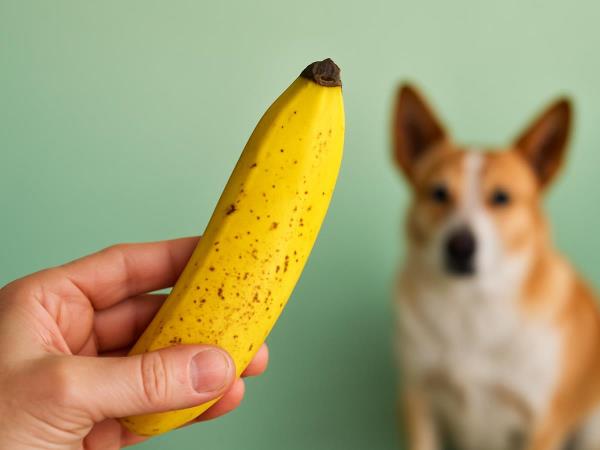
Chances are it has landed in your inbox or on your social media feed: a photo of a banana covered in dark spots, and a bold promise that those spots contain a powerful substance capable of destroying abnormal cells. It sounds wonderful, and it has been shared millions of times. There is only one problem. That is not what the research found.
An Australian science journalist, several of whose family members and friends had faced a cancer diagnosis, has written about how hard it was to watch this exact banana message circulate among people who were frightened and looking for hope. She described the claim as a gross misrepresentation of research that had no clinical significance, and warned that such messages add confusion for people who are already dealing with serious illness. AAP FactCheck covered her experience when it examined the viral post. Her story is a good reminder that a nutrition myth is not always harmless. So let us take a calm, honest look at what spotty bananas can and cannot do.
Where the story really comes from
The answer to the question of what happens to overripe bananas does come from Japan, but not from the University of Tokyo, as many online versions claim. In 2009, researchers at Teikyo University published a study in the journal Food Science and Technology Research, in which they compared banana varieties at different stages of ripeness.
Bananas are well known for not ripening well on the plant: left there too long, they can become mealy, lose flavor and change texture. That is why they are picked green, ripen on the way to the store (often with the help of ethylene, the plant's own natural ripening gas), and reach us when they are just right.
But not all of them ...
Some keep ripening on our kitchen counter until the peel is covered in dark spots. The Japanese researchers wanted to know whether bananas at different stages of ripeness affect immune cell activity differently. Crucially, the experiment was carried out on mice, and according to Africa Check, the animals did not eat bananas at all. They were injected with banana extract. The researchers measured how the animals' immune systems responded.
What TNF actually is, and why bananas do not contain it
The viral message claims that spotty bananas "produce TNF", short for Tumor Necrosis Factor. TNF is a signaling protein made by the human (and animal) immune system. It plays a role in inflammation and, among other things, in the body's response to abnormal cells. It is not something found in fruit.
According to AAP FactCheck, a cancer biologist at the University of New South Wales pointed out that banana plants do not even have the gene needed to make TNF. The US National Cancer Institute told Africa Check the same thing: a banana's nutritional breakdown shows no TNF. The Japanese study itself never claimed that bananas contain TNF or that it had found a cancer treatment.
And the famous figure that spotty bananas are "8 times healthier" than green ones? It comes from a misreading of laboratory measurements in mice, not from any finding about human health. As the food science site CulinaryLore explains, even if TNF were present in food, eating it would not raise its levels in your body. Cancer Council Australia has also stressed that no single food or special diet has been shown to cure cancer.
So are ripe bananas good for you? Yes, in their own way
Here is the good news: once you strip away the myth, a ripe banana is still an excellent everyday food. According to the Harvard T.H. Chan School of Public Health, a medium ripe banana provides roughly 110 calories, about 3 grams of fiber and around 450 mg of potassium, along with vitamin B6, vitamin C, magnesium and manganese.
Ripening does change the banana, though. Here is how it changes:
- Green bananas are rich in resistant starch, which behaves like fiber, feeds beneficial gut bacteria and releases sugar slowly. The downside: they taste starchy and may cause bloating in some people.
- Yellow bananas strike a balance. Sports dietitian Ryan Pinto, quoted by FoodNavigator, notes that they offer good antioxidant levels and decent fiber as starch gradually turns to sugar.
- Spotty, very ripe bananas are the sweetest and softest. They are easy to digest, give quick energy and are a favorite with children, but they contain less resistant starch and more sugar.
Antioxidant activity in bananas does shift as they ripen, and that part of the online story has a grain of truth. But claims that ripe bananas contain "several times more antioxidants" than apples, pears, watermelon, pineapple or grapes, or that they slow the development of cancer cells, are not supported by reliable human research. The best advice from health bodies such as the World Health Organization remains simple: eat a variety of fruits and vegetables every day, rather than relying on one "miracle" food.
Ripe bananas and blood sugar: the opposite of what you have read
The original viral message also claimed that the sugar in ripe bananas has "broken down" so that they are half as risky for people with diabetes. In reality, it works the other way around. As a banana ripens, its starch turns into sugar, so a spotty banana contains more sugar, not less, and tends to raise blood sugar faster than a firmer, greener one.
That does not mean people with diabetes need to avoid bananas. Organizations such as Diabetes UK note that whole fruit can fit into a balanced eating plan. A few practical tips:
- If you are watching your blood sugar, choose bananas that are yellow or still slightly green at the tips.
- Keep portions moderate: half a large banana or one small banana is a sensible serving.
- Pair the banana with protein or healthy fat, such as yogurt, a handful of nuts or nut butter, to slow down sugar absorption.
- If you have diabetes, ask your doctor or dietitian how fruit fits into your personal plan.
Don't throw them away: smart ways to use spotty bananas
Brown spots on the peel usually mean the fruit inside is perfectly fine, just sweeter. As the Harvard Nutrition Source suggests, when the peel turns mostly brown, you can peel, chop or mash the banana for baking, or freeze it for smoothies. A few ideas:
- Natural sweetener: mash a ripe banana into porridge or pancake batter and skip the added sugar.
- Baking swap: replace part of the butter or oil in muffins and banana bread with mashed banana.
- "Nice cream": blend frozen ripe banana slices into a creamy, dairy-free dessert.
- Smoothie base: frozen spotty bananas give smoothies a thick texture without ice.
Bananas are also among the foods many of us handle in ways that do not get the best out of them. Read more in our article Foods We Use Incorrectly, and if you like a banana first thing in the morning, see Why is it dangerous to eat these foods for breakfast.
Quick answers
Do brown spots on bananas fight cancer?
No. There is no reliable evidence that bananas contain TNF or any cancer-fighting substance in their spots. The claim comes from a misread study on mice.
Are spotty bananas safe to eat?
Yes, as long as there is no mold, unpleasant smell or fermented taste. Spots simply indicate that starch has turned into sugar.
Which banana is healthiest?
Each stage has its own strengths: green for gut-friendly resistant starch, yellow for balance, spotty for easy digestion and natural sweetness. The best choice depends on your needs and taste.
The bottom line
A banana with brown freckles is not a medicine, but it is still a nutritious, affordable and versatile fruit that deserves a place in a balanced diet. Enjoy it for what it really is, and be wary of any message that promises a single food can prevent or cure a serious disease. When in doubt, check the original research or reliable fact-checkers before you hit "share".
Information on this website is for educational purposes only and is not medical advice.
expert, nutritionist
 Would you like to be informed about news on the website?











|

