




Socks in Bed: A Crazy Idea or a Sleep Trick Backed by Science?
expert, nutritionist
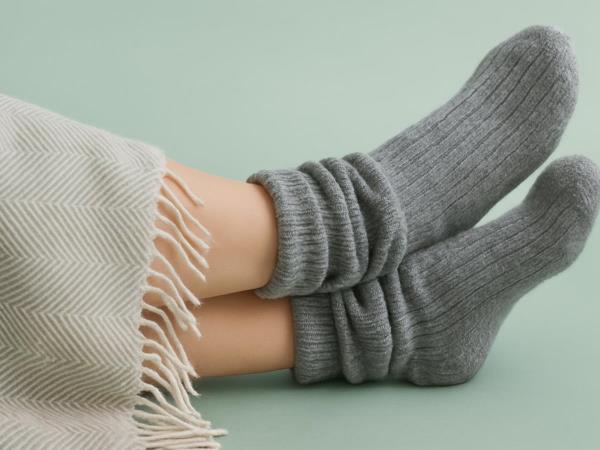
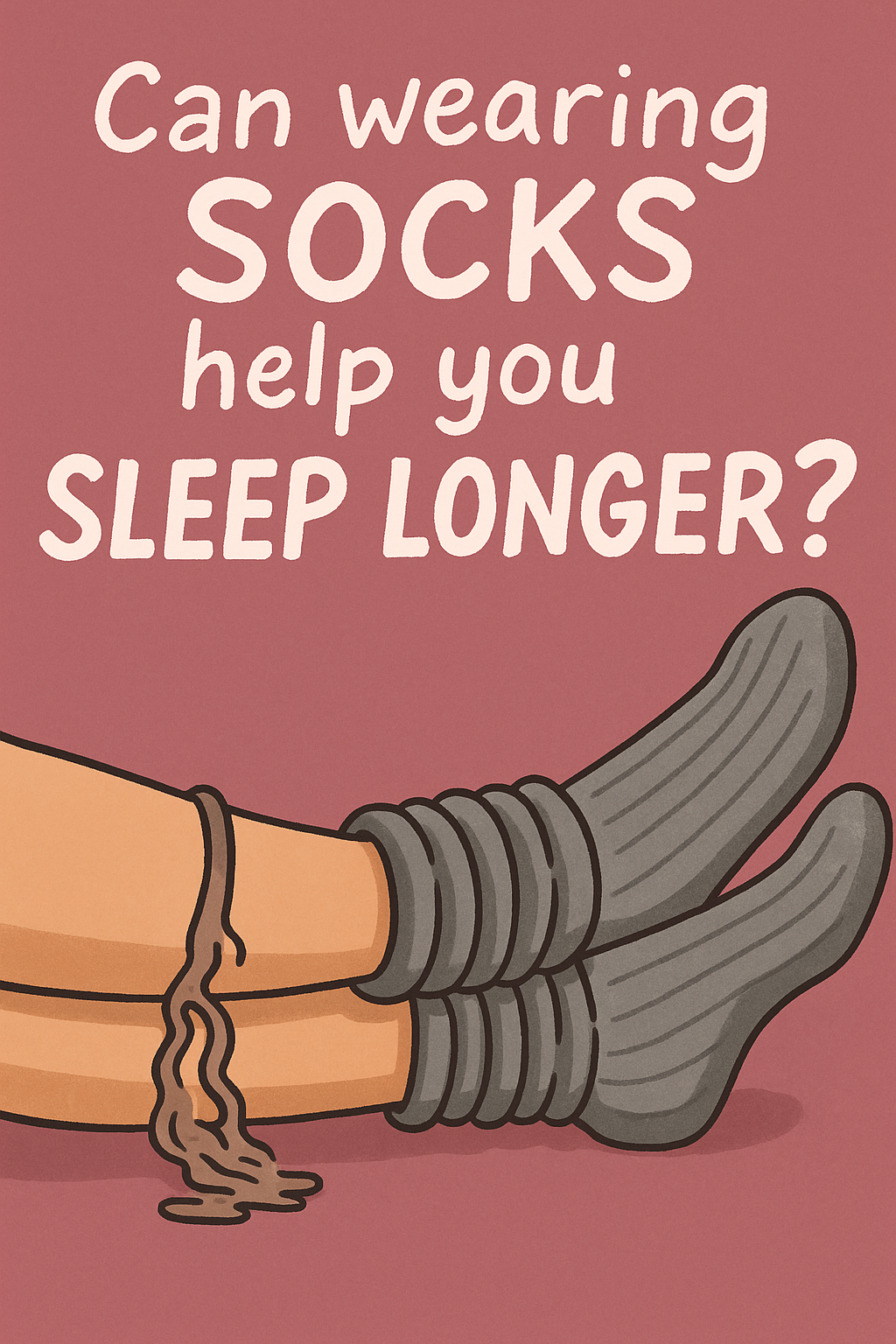
Imagine falling asleep faster and sleeping over half an hour longer without pills, gadgets or expensive mattresses, just by pulling on a pair of socks. That is exactly what researchers observed in a sleep experiment published in the Journal of Physiological Anthropology. Participants who wore bed socks fell asleep 7.5 minutes faster and slept 32 minutes longer. Here is why this simple habit may work.
One of our readers, a 58-year-old teacher, told us she had struggled for years with cold feet and restless nights every winter. "I was skeptical. Socks in bed always felt like something my grandmother did," she wrote. "But after a week of soft cotton socks and a warm foot soak before bed, I noticed I wasn't lying awake staring at the ceiling anymore. I still wake up sometimes, but I fall back asleep much more easily." Her experience is not a scientific result, but it echoes what many readers have reported, and what researchers have been measuring in sleep labs.
Although it may seem that a warm sock simply keeps your feet warm, the effect goes deeper. It is about a dynamic process happening inside the body. When you warm your feet, the blood vessels in them widen. This is called vasodilation (the widening of blood vessels). As a result, blood flows more freely toward the feet and hands. This takes some load off the body's core and signals to the brain that the body is preparing for rest. This process does not mean that the body heats up as a whole. Quite the opposite: part of the heat from the body's core is transferred toward the surface, which can help the body lower its core temperature more quickly. A gentle drop in core temperature is one of the natural signals that it is time to sleep.
In the Korean study (Ko and Lee, 2018), people who wore special bed socks at night in a cool room fell asleep on average 7.5 minutes faster, slept 32 minutes longer and woke up fewer times during the night.
It is worth noting that this was a small experiment involving only a handful of young, healthy volunteers, so the results should not be treated as a guarantee. However, the idea behind it is well supported. A frequently cited study published in Nature in 1999, titled "Warm feet promote the rapid onset of sleep," found that the degree to which blood vessels in the hands and feet widened was one of the best predictors of how quickly people fell asleep. In other words, warm hands and feet appear to be closely linked to a smooth transition into sleep.
How Socks May Affect Sleep Quality
It is not only about falling asleep more easily. Socks may also contribute to better, deeper and less interrupted sleep.
In the Korean study, researchers recorded fewer sleep interruptions among the sock wearers, with about 7.5 fewer awakenings on average compared to nights without socks. Their sleep efficiency (the share of time in bed actually spent sleeping) was on average 7.6% higher. In addition, their feet were on average 1.3 degrees Celsius warmer than without socks.
This suggests that a stable foot temperature throughout the night may matter more than we think. If the feet get too cold, the body may react by waking up to restore warmth, which can disrupt sleep. Good sleep, in turn, supports many other aspects of wellbeing. Researchers have even linked short sleep to changes in appetite and weight, as we explained in our article When you sleep too little, your belly grows.
When Socks May Not Be the Right Choice
Of course, no method suits everyone. If you have circulation problems, swollen feet, diabetes or a similar condition, socks, especially tight ones, may not be the best choice. Doctors caution that overly tight socks can restrict blood flow. People with diabetes are often advised to pay special attention to foot care, as explained by the American Diabetes Association, and should be careful with heat sources such as heating pads, since reduced sensation can make burns more likely. If you feel tingling, numbness or discomfort, take the socks off right away, and if in doubt, ask your doctor first.
Alternatives to Socks If They Don't Suit You
Don't want to wear socks? No problem. There are other clever and inexpensive ways to keep your feet warm before or during sleep:
- A warm foot bath 30 minutes before bed - this warms the feet and triggers vasodilation. A review published in Sleep Medicine Reviews (Haghayegh et al., 2019) found that warm water bathing about one to two hours before bedtime was associated with falling asleep faster and better self-reported sleep quality.
- A hot water bottle or heating pad under the blanket at your feet - gently warms the feet and keeps them cozy. Make sure it is warm, not hot, and avoid falling asleep with an electric pad switched on unless it has an automatic shut-off.
- An extra blanket at the foot of the bed - a light extra layer over your feet only, not over your whole body.
These approaches work in a similar way to socks, but they are more flexible.
Which Socks Are Best for Sleeping?
If you decide to make socks part of your bedtime routine, here is what to look for:
- Materials: choose natural, breathable fabrics such as cotton, bamboo, merino wool or cashmere. These breathe better and cause less sweating than synthetic fabrics. Sweaty feet can actually cool down faster, which works against the goal.
- Fit: they should not be too snug. Overly tight socks can squeeze blood vessels and reduce circulation. Avoid socks that leave deep marks on your skin.
- Thickness: medium to thick socks are useful because they retain heat better. Adjust the thickness to the temperature of your bedroom. In colder rooms, thicker socks may be more comfortable.
- Loose, nighttime cut: some bed socks have a more relaxed fit so they don't press on the skin.
- Hygiene: wear a fresh, clean pair every night, separate from the socks you wore during the day.
Why Everyone Is Talking About It Again
In 2025, an article in The Washington Post highlighted renewed interest in the topic, including viral TikTok trends where people share their experiences wearing socks in bed. Researchers explain that while it may seem surprising, the theory of vasodilation and lowering core body temperature is well studied.
Health and sleep resources have also described it as a simple trick that carries little risk for most healthy people (as long as the socks fit well), so you can try it for as long as you like and see how it works for you.
Research has also looked at older adults. A study from 2023 (see related research on PubMed) reported that warming the feet with a device to around 40-42 degrees Celsius for 10 to 40 minutes before bed was associated with better self-reported sleep quality in older people. This matters because sleep often becomes lighter and more fragmented with age.
Sleep experts at the Sleep Foundation also note that socks or foot-warming devices may help, as they can make it easier for the body to cool its core.
How to Add It to Your Bedtime Routine
Here is a simple plan to try first and then adjust so it works best for you:
- Get your socks ready in the evening, and start with a thicker pair.
- About 20 to 30 minutes before bed, soak your feet in warm water or warm them with a heating pad.
- When you get into bed, put on the socks and leave them on overnight.
- If the socks bother you (a feeling of tightness or overheating), it is perfectly fine to take them off during the night.
One more thing: your sleep environment. Keep the bedroom pleasantly cool, not too warm. Many sleep experts suggest roughly 15 to 20 degrees Celsius (about 60 to 68 degrees Fahrenheit). If the room is too cold, your body may send signals to warm your feet, and that is exactly where socks can help. General sleep habits matter too: a regular bedtime, a dark and quiet room, and less screen time before bed are all recommended by the U.S. Centers for Disease Control and Prevention.
Try this routine for at least 5 to 7 nights in a row to see whether you notice any difference.
If during that time you notice that you fall asleep sooner, wake up less often during the night, or wake up feeling more rested, it may be a sign that the method is working for you. Several readers have told us that keeping a short sleep diary helped them notice small changes they would otherwise have missed.
Is It Worth Trying?
We think it is well worth a try. Socks in bed are cheap, painless, simple and non-invasive, and for many people they can make a noticeable difference in how comfortable the night feels. Of course, there is no guarantee that it will work for everyone, every time, especially if you have circulation-related health issues. In such cases, it is a good idea to talk to your doctor or a sleep specialist. And if poor sleep lasts for weeks or affects your daily life, a professional check-up is always the best next step.
Information on this website is for educational purposes only and is not medical advice.
expert, nutritionist
 Would you like to be informed about news on the website?














|

