





The Silent Killer in Your Veins: Four Homemade Juices That May Help You Keep Blood Pressure in Check
expert, nutritionist
It doesn't hurt, it doesn't show, and almost half of the people who have it don't know they do. According to the World Health Organization, an estimated 1.4 billion adults aged 30 to 79 had high blood pressure in 2024, and around 600 million of them were unaware of it. That's why hypertension has earned its grim nickname: the silent killer. The good news? Your kitchen can be one of your allies, and a glass of fresh, homemade juice is one of the easiest places to start.
Legendary singer Chaka Khan learned this the hard way. After being diagnosed with type 2 diabetes and high blood pressure, she overhauled her diet, switched to plant-based eating and went through an extended period of fruit and vegetable juices. She lost a significant amount of weight and has said that her blood pressure improved enough that she no longer needed medication for it. Her approach was extreme, and it's not one we'd suggest copying without medical supervision, but her story shows how strongly what we eat and drink can influence our numbers.
A less famous example is just as encouraging: a research scientist at the University of Iowa worked with a health coach to cut back on sugar and add more vegetables to his plate, especially spinach, cabbage-family greens, beets and beet juice. He bought a home blood pressure monitor, tracked his progress, and after a few months his doctor agreed to reduce his medication dose. Note the key detail: with his doctor's support.
You can't cure it, but you can control it
While it's true that high blood pressure cannot be cured, it can be controlled. In addition to the medicines your doctor may prescribe, there are also natural ways to help manage blood pressure. Constantly high blood pressure can lead to kidney failure, stroke, heart failure or heart disease. It is therefore very important to measure your blood pressure regularly. Excess weight and diabetes are among the factors with the biggest influence on blood pressure, so if you keep both under control, you are likely to have fewer problems with your blood pressure as well. Even sleep plays a part, as we explained in When you sleep too little, your belly grows.
Systolic and diastolic: what do the two numbers mean?
It's important to distinguish between systolic and diastolic blood pressure. Systolic pressure (the upper number) is the pressure in your arteries when the heart contracts and pushes blood out. Diastolic pressure (the lower number) is the lowest pressure in the arteries in the moment between two heartbeats, when the heart rests and refills.
What counts as "normal" has been tightened in recent years. The American Heart Association considers a reading below 120/80 mmHg normal, 120–129 systolic (with diastolic below 80) elevated, and 130/80 or higher as high blood pressure. European guidelines from the European Society of Cardiology draw the hypertension line at 140/90, but also treat readings between 120/70 and 139/89 as "elevated" and worth attention. Blood pressure tends to creep upward with age, and the differences between men and women shift over a lifetime: WHO data show that men are somewhat more likely to have hypertension, while women often catch up after menopause. Your doctor is the best person to tell you which target is right for you.
Are there home remedies that help lower blood pressure?
Right from the start, you should know that home remedies can only help. They are a useful part of prevention and of a healthy lifestyle, but if you're thinking about relying on them alone, talk to your doctor first. The advantage of the drinks below is that they are wholesome, give the body energy, are packed with minerals such as potassium, and can improve your overall well-being.
Potassium matters here: the American Heart Association explains that it helps the body get rid of sodium and eases tension in blood vessel walls. Blood pressure is also strongly affected by stress and by the people and surroundings that put you in a good or bad mood. That, unfortunately, is something a glass of juice can't change.
Four homemade juices worth trying
Tip: the recipes below are made in a blender, so strictly speaking they are closer to smoothies. That's a plus, because you keep the fibre that a juicer would throw away.
- Carrot juice with garlic
Wash and peel 1 clove of garlic, then blend it with 250 grams of carrots. The carrots will neutralise the taste of the garlic and you'll get a pleasant drink that supports the immune system and digestion. Garlic has the most research behind it of all the ingredients here: an updated meta-analysis in The Journal of Nutrition found that garlic preparations modestly lowered blood pressure in people with hypertension. Keep in mind that most of those studies used standardised garlic supplements such as aged garlic extract, not a single raw clove, so think of your carrot-garlic drink as a tasty bonus rather than a treatment. - Carrot juice with parsley
Wash 2 medium carrots and slice them into thin rounds. Add 1 small bunch of parsley, which you should also wash well and chop. Blend everything thoroughly and drink it fresh. Parsley has long been used in folk medicine as a gentle "cleansing" herb that encourages the body to shed excess fluid; scientific evidence for its effect on blood pressure is still limited, but it adds flavour, vitamin C and plenty of vitamin K. Important: if you take blood thinners such as warfarin, keep your intake of vitamin K-rich greens steady and check with your doctor, as the NIH Office of Dietary Supplements advises. - Beetroot, cucumber and pineapple
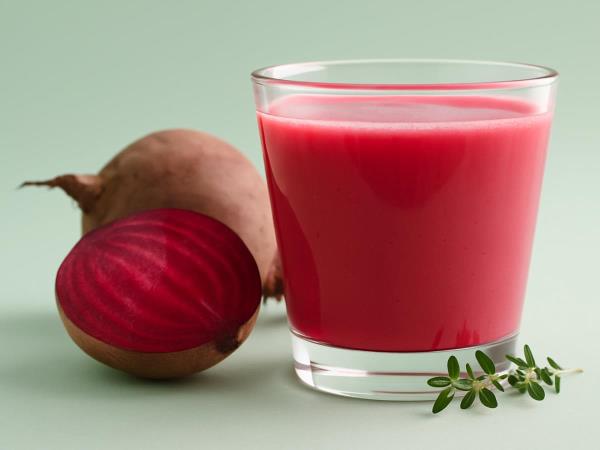
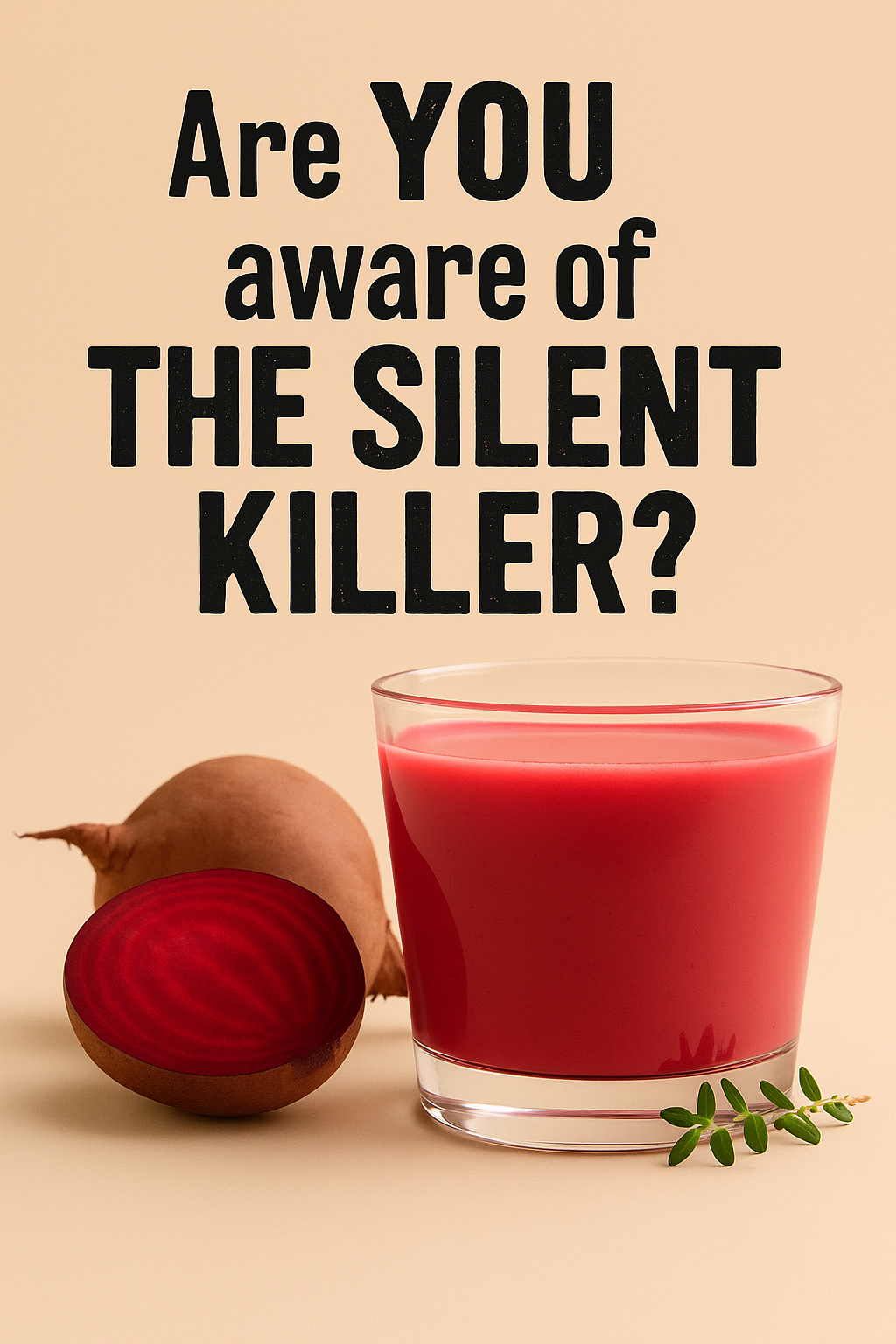
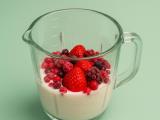
You'll need 3 or 4 slices of raw red beetroot, 1 cucumber and 2 or 3 slices of pineapple (canned works too, ideally packed in juice rather than syrup). Put the beetroot and cucumber in the blender first, and add the pineapple at the very end. Blend well. This is the star of the list: beetroot is rich in natural nitrates, which the body converts into nitric oxide, a molecule that helps blood vessels relax. In a randomised, placebo-controlled study published in the journal Hypertension, researchers at Queen Mary University of London gave people with high blood pressure 250 ml of beetroot juice a day for four weeks, and their readings dropped on average by about 8/4 mmHg. Once they stopped drinking it, their blood pressure returned to previous levels within two weeks, so regularity counts. Light and refreshing, with cucumber and pineapple adding water and natural sweetness, this drink can also fit nicely into a weight-conscious diet (see also Get Rid of Bloating and Excess Water). Don't be alarmed if your urine turns pink afterwards; it's harmless. - Carrot and orange juice
Clean 2 large carrots and blend them with 1 peeled orange. You'll get a pleasant-tasting drink with plenty of fibre and vitamins, including vitamin C and potassium. A small pilot study at the Cleveland Clinic reported lower blood pressure in people who drank orange juice daily. It was a small, early study, so treat the result as promising rather than proven, and remember that blending the whole fruit is better than store-bought juice with its higher sugar content.
Who should be careful?
Natural doesn't automatically mean suitable for everyone. Talk to your doctor before making these juices a daily habit if you:
- have kidney disease or take medicines that raise potassium levels (for example some blood pressure tablets), because these drinks are rich in potassium;
- are prone to kidney stones, as beetroot is high in oxalates (the National Kidney Foundation has helpful guidance);
- take blood thinners (because of the vitamin K in parsley and other greens, and because garlic in larger amounts can affect clotting);
- have diabetes, since fruit-based drinks such as pineapple and orange add natural sugars;
- already have low blood pressure, or take medicines for erectile dysfunction, as nitrate-rich drinks may lower it further.
Why four recipes?
People differ in many ways, so remedies from the home pharmacy don't affect everyone in the same way. If you have problems with blood pressure, try one juice for a few days at a time and keep measuring your blood pressure at home. Measure at the same times each day, after resting quietly for a few minutes and with nobody upsetting you, as the American Heart Association recommends for home monitoring. A single reading says little; a trend over days and weeks tells you much more. Then move on to the next recipe, and you'll soon get a feel for which one suits you best. Share your log with your doctor, too.
And one more thing...
It's very useful to write down everything you ate the day before. Your blood pressure depends on that, too: salt in particular, which the WHO recommends keeping below 5 grams a day, hides in bread, cured meats, cheese and ready meals. A proven framework is the DASH eating plan from the US National Heart, Lung, and Blood Institute, built around vegetables, fruit, whole grains and low-fat dairy. It's also worth knowing which everyday foods do more harm than good, as we described in 5 Foods That Shorten Your Lifespan and Foods We Use Incorrectly.
Only by paying attention to the whole picture (food, weight, movement, sleep and stress) can you keep under control a condition that has no visible signs, doesn't hurt, and too often ends tragically. A colourful glass of homemade juice won't do the job alone, but it can be a delicious daily reminder that you're on the right track.
Information on this website is for educational purposes only and is not medical advice.
expert, nutritionist
 Would you like to be informed about news on the website?






|

