




Apple + Chocolate: The Pairing Science Has Taken a Liking To
expert, nutritionist
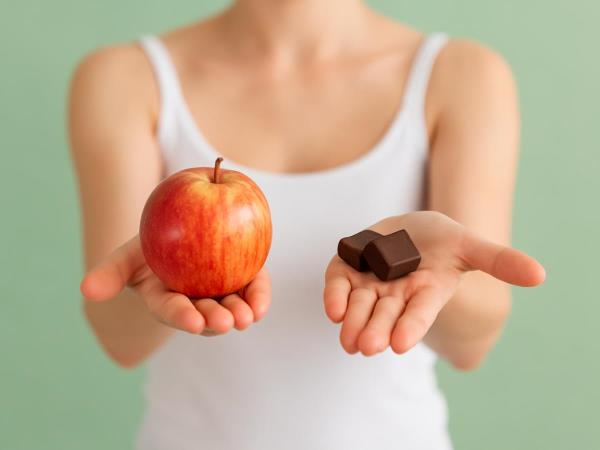
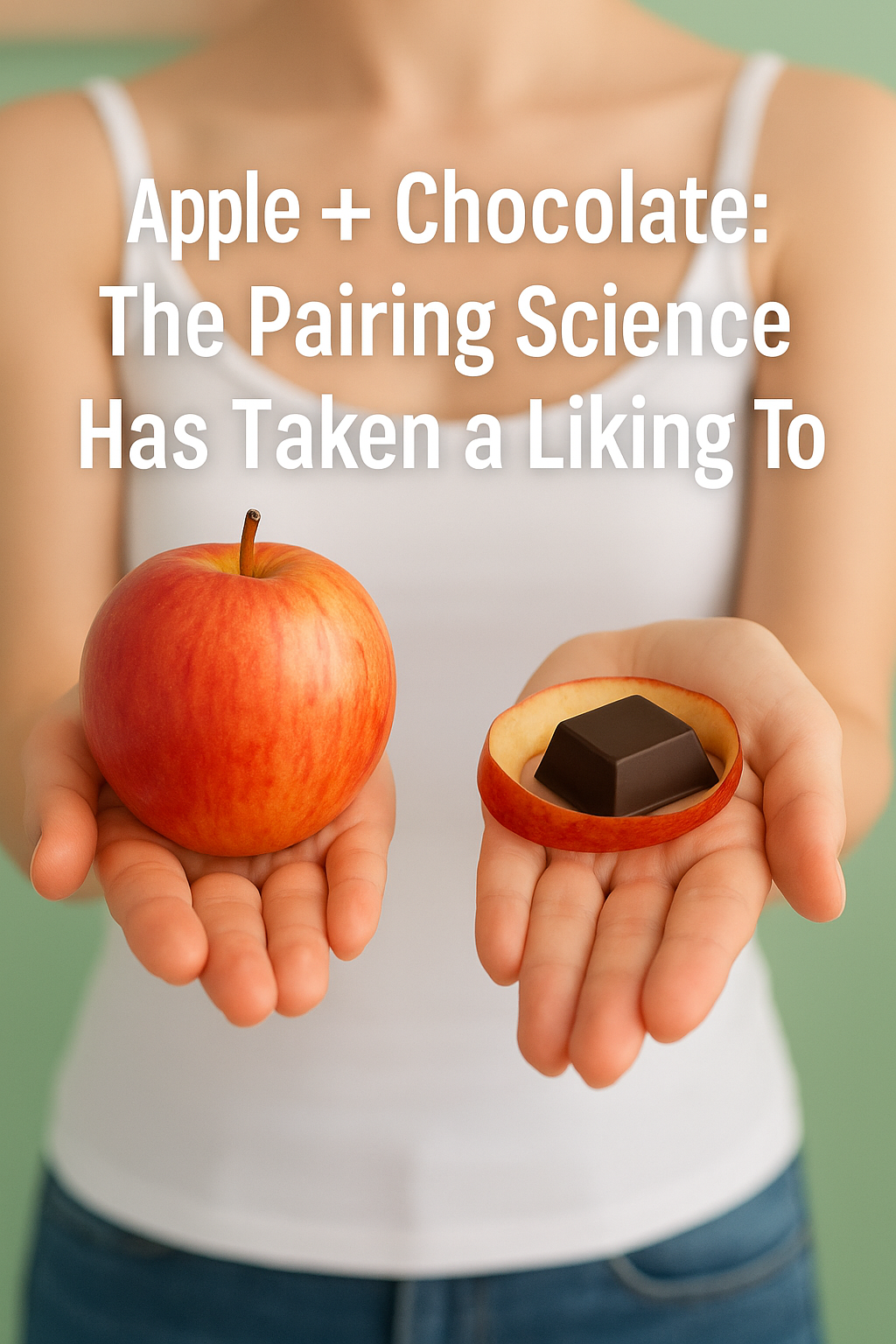
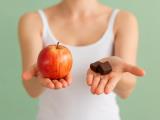
Here is a kitchen secret worth knowing: the most valuable part of an apple is the part most of us peel off and throw away. And the bar of chocolate many people hide in the back of the cupboard out of guilt may be one of the richest sources of plant compounds in the whole pantry. Put the two together, and you get a dessert that nutrition researchers find genuinely interesting – not just tasty.
A Hollywood Lesson in Balance
Actress Reese Witherspoon once let her Instagram followers in on her daily snack routine while filming the Netflix romantic comedy Your Place or Mine. Her go-to at 11 a.m., she said, was an apple with peanut butter, while her afternoon treat at 4 p.m. was tea with a cookie – and it had to have a chocolate chip in it. As Eat This, Not That! noted when reporting on her habits, she doesn't snack with a strict health agenda; she sticks to familiar flavors, a steady schedule and moderation. Apple in the morning, a little chocolate in the afternoon – it's an approach many nutrition experts would happily sign off on. In this article, we take that idea one step further and bring both foods together on one plate.
The Hidden Treasure in Apple Peel
Apple peel contains a lot of quercetin, a flavonoid that is studied for its antioxidant and anti-inflammatory properties and for its possible role in keeping blood vessels healthy. Most of an apple's flavonoids are concentrated in or just under the skin, which is why peeling apples is one of the most common ways we waste their goodness – a habit we also wrote about in Foods We Use Incorrectly.
Research supports the idea that the peel matters. In a randomized controlled trial published in Molecular Nutrition & Food Research, scientists from Edith Cowan University and the University of Western Australia compared eating apples with the skin to eating apple flesh alone in 30 people at elevated cardiovascular risk. Those who ate the whole apple showed a measurable improvement in the flexibility of their blood vessels (endothelial function), both right after eating and after four weeks. The researchers concluded that the skin may help explain why apple lovers tend to have a lower risk of heart disease. An earlier study by the same group, published in Free Radical Biology & Medicine and summarized by the Western Australian Department of Agriculture, found that flavonoid-rich apples temporarily raised nitric oxide levels – a molecule that helps blood vessels relax.
Why Dark Chocolate Joins the Party
The power of quercetin may be complemented when it is combined with the flavonoids found in cocoa. Cocoa beans are particularly rich in flavanols (such as epicatechin), and dark chocolate also delivers plenty of other antioxidants that help protect cells against oxidative stress.
The largest study of its kind so far is the COSMOS trial (COcoa Supplement and Multivitamin Outcomes Study), led by researchers at Brigham and Women's Hospital and published in The American Journal of Clinical Nutrition. Older adults who took a cocoa flavanol extract for several years did not have significantly fewer cardiovascular events overall, but they did have a 27% lower rate of cardiovascular death – a finding the authors described as a promising signal that still needs confirmation.
Regulators remain cautious, too. In 2023 the U.S. Food and Drug Administration (FDA) allowed a qualified health claim for cocoa flavanols following a petition by Swiss chocolate maker Barry Callebaut, but stressed that the evidence is "very limited" and that the claim applies to high-flavanol cocoa powder – not to ordinary chocolate bars. In Europe, the European Food Safety Authority (EFSA) has accepted that cocoa flavanols help maintain the elasticity of blood vessels when about 200 mg are consumed daily as part of a balanced diet. The honest takeaway: chocolate is not medicine, but good dark chocolate can be a pleasant part of a heart-friendly lifestyle.
Better Together?
When apples and dark chocolate are part of a varied diet, they may contribute to lower risk of heart disease, support healthy blood vessels, and help the body's natural defenses – and many people simply say they feel better for it. Large population studies point in the same direction: a study of more than 56,000 Danes, published in Nature Communications by researchers from Edith Cowan University, found that people with a moderate, regular intake of flavonoid-rich foods – among which apples, tea and chocolate were named – had a lower risk of death from cardiovascular disease and cancer.
It is worth being clear, though: no study has tested this exact apple-and-chocolate recipe. What we can say is that you are combining two of the most flavonoid-rich everyday foods into one simple, satisfying bowl – and that's a good start.
Choosing the Right Chocolate Makes All the Difference
Not every chocolate is created equal, and this is where many people go wrong.
- At least 70% cocoa. The higher the cocoa content, the more flavanols and the less sugar. Milk chocolate contains far fewer flavanols, and white chocolate contains none at all, as the American Institute for Cancer Research explains.
- Avoid "Dutch-processed" (alkalized) cocoa. Alkalizing makes cocoa milder, but it removes a large share of the flavanols.
- Check the sugar. Some products labeled "dark" still list sugar as their first ingredient. Look for cocoa mass or cocoa solids at the top of the list.
- Mind heavy metals. Tests by Consumer Reports found measurable lead and cadmium in many dark chocolate bars – one more reason to keep portions small and to vary brands.
- Portion is everything. Dark chocolate contains roughly 550–600 kcal per 100 g, so 15–20 g (two or three squares) is plenty.
Chocolate should be a treat that replaces sugary sweets, not one that adds to them. Highly processed, sugar-laden foods are among the habits we warned about in 5 Foods That Shorten Your Lifespan.
The Recipe: Warm Grated Apple With Dark Chocolate
If you want to make the most of both ingredients, the best way is to grate the apple (together with the peel) and the chocolate, which should have at least 70 percent cocoa. Then gently warm everything to about 60 degrees Celsius, so the chocolate melts and binds with the apple.
Ingredients (1 serving):
- 1 medium apple, washed thoroughly, unpeeled
- 15–20 g dark chocolate (70% cocoa or more)
- Optional: a pinch of cinnamon, a few chopped walnuts, or a spoonful of plain Greek yogurt on the side
Method:
- Wash the apple well, remove the core, and grate it coarsely with the peel on. Grate it just before cooking – apple browns quickly once cut, and browning means some of its polyphenols are already being used up.
- Finely grate or chop the chocolate.
- Combine both in a small heatproof bowl and warm gently – ideally over a pan of hot (not boiling) water – to about 60 {-15696}C, stirring until the chocolate melts and coats the apple. Gentle heat is kinder to delicate compounds than high heat.
- Wait for the chocolate to cool and set.
- Sprinkle with cinnamon or walnuts if you like, and enjoy.
The result tastes a little like a chocolate-dipped apple crumble without the crumble: tart, sweet and slightly bitter at once. Many people who try it are surprised how satisfying such a small portion is – the bitterness of dark chocolate tends to curb cravings rather than feed them.
A Good Choice for the Evening?
This can be a lovely light evening treat for anyone who wants to eat well and keep an eye on their figure. On its own, however, it is low in protein, so if you want it to stand in for a real dinner, add a portion of Greek yogurt or a handful of nuts to keep you full until morning. And if you're watching your weight, remember that small "healthy" extras can add up – something we explored in Hello, and Fattening: Foods that Sabotage Your Diet.
Quick Tips
- Choose red-skinned varieties such as Red Delicious, Gala or Braeburn – deeply colored peels tend to be richer in flavonoids.
- Organic apples are a good choice when you plan to eat the peel; otherwise, wash them thoroughly.
- Craving a warm version in winter? Add cinnamon or a pinch of turmeric – for more ideas, see Warm Water with Turmeric Against Winter Troubles.
- Variety wins: berries, tea, onions and leafy greens are other excellent sources of flavonoids.
Information on this website is for educational purposes only and is not medical advice.
expert, nutritionist
 Would you like to be informed about news on the website?






|

