

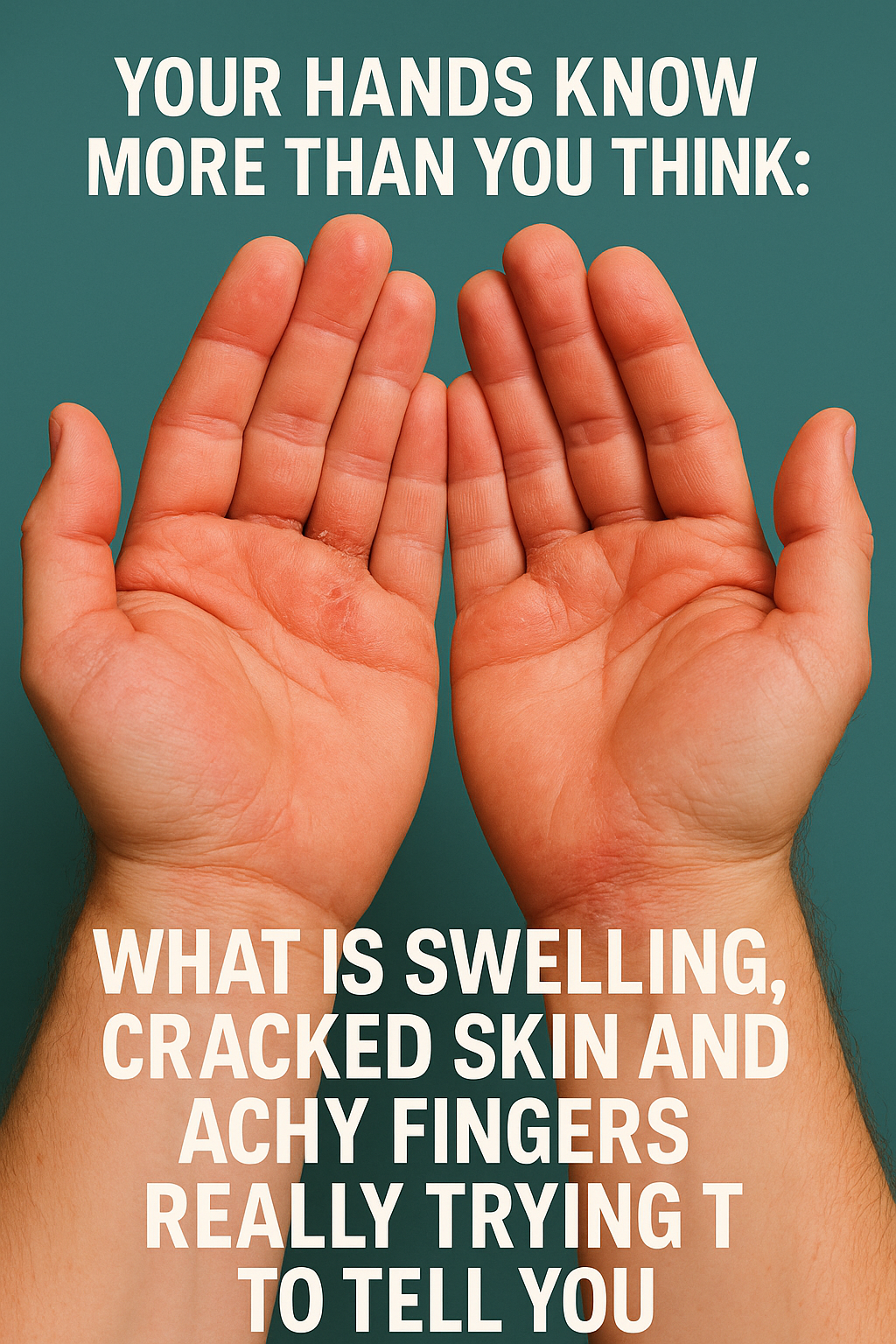

Your Hands Know More Than You Think: What Swelling, Cracked Skin and Achy Fingers Are Really Trying to Tell You
A quick look at your hands could reveal more about your wellbeing than you'd expect — occasional dryness or puffiness is usually nothing, but when it lingers, traditional Chinese medicine's centuries-old Zang-Fu theory offers one interesting way to think about how the body's organs may be quietly connected.
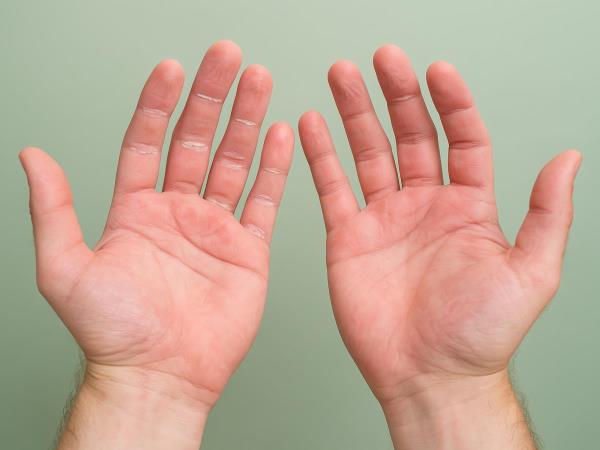
Stop for a second and actually look at your hands. Not a glance — really look. Are your knuckles a little puffier than usual this week? Is the skin across your fingers dry and tight, no matter how much cream you slather on? Most of the time these are nothing more than the ordinary wear and tear of daily life. But every so often, your hands are the first place your body tries to get your attention.
Even royalty isn't immune to the scrutiny of swollen fingers. King Charles's noticeably puffy, reddened hands at several public appearances — including his father Prince Philip's funeral — drew enough attention that medical commentators were asked to weigh in, pointing to possibilities like fluid retention or arthritis-related changes that become more common later in life. Nobody suggested it was a red flag — but it's a good reminder that hands rarely lie, even to a king.
When Dry, Cracked Hands Are Just... Dry, Cracked Hands
If you've spent the weekend in the garden, hauled boxes around the house, or washed dishes in hot water a dozen times, rough and cracked skin on your hands is completely expected. That's simply mechanical wear plus moisture loss, and a good hand cream usually sorts it out within a few days.
What's worth paying closer attention to is dryness that shows up out of nowhere, with no obvious cause, and doesn't respond to any moisturizer you try. That pattern is the one doctors would rather you mention at your next check-up, since persistent, unexplained skin changes are occasionally linked to underlying issues that are easier to manage when caught early.
Puffy Hands: How Often, and For How Long?
The two questions worth asking yourself are simple: how often does the swelling happen, and how long does it take to go back down? According to the Mayo Clinic, occasional mild swelling — the kind that shows up after a salty meal, a long flight, or a hot day and disappears on its own — is usually nothing to worry about. It's when the puffiness becomes frequent, doesn't fully resolve, or is joined by other symptoms that it's worth having a conversation with your doctor, who can help pin down the underlying cause.
Some everyday patterns people notice around hand swelling include:
- Certain foods, or eating too late at night — some people notice puffiness after specific food combinations, particularly dairy products, or foods and drinks containing gluten (which can turn up in surprisingly unexpected products).
- Very cold water — sipping lukewarm water in smaller amounts throughout the day is often gentler on the body than gulping ice-cold water.
- Too little movement — surprisingly, hands-on activities like kneading bread dough are a genuinely good little workout for the fingers and can help keep circulation moving.
The Liver-and-Kidney Connection — and Why It's Rarely That Simple
Persistent hand swelling is most often traced back to the liver or kidneys, but that doesn't automatically mean either organ is the actual problem. The body's systems are far more interconnected than they might seem — for example, cancers that begin in the colon are known to sometimes spread to the lungs, a reminder that organs rarely work in total isolation from one another.
This idea of interconnected organs is, interestingly, also a cornerstone of a much older medical tradition.
What Traditional Chinese Medicine Says About Organs Working as a Team
Within traditional Chinese medicine's Zang-Fu framework, the body's internal organs are grouped into two categories. The five "Zang" (solid) organs — heart, spleen, lungs, kidneys and liver — are described as responsible for producing and storing the body's essential substances. The six "Fu" (hollow) organs — including the small intestine, stomach, large intestine, gallbladder, bladder and, in some classical texts, structures like the brain, bones and blood vessels — are described as handling the receiving, processing and elimination of food, water and waste.
In this framework, each Zang organ is traditionally paired with a Fu partner:
- Kidneys are paired with the bladder
- Liver is paired with the gallbladder
- Heart is paired with the small intestine
- Spleen is paired with the stomach
- Lungs are paired with the large intestine
It's worth being clear that this is a traditional, philosophy-based framework rather than one grounded in modern clinical evidence, and it shouldn't replace a doctor's evaluation of any symptom. But as a way of thinking about the body holistically — where a change in one area might be worth mentioning alongside seemingly unrelated symptoms — many people find it a useful lens.
Your Hands as a Control Panel
Much like the feet in reflexology, the hands are sometimes described as a kind of dashboard for the rest of the body, with specific points said to correspond to different organs and systems. Whether or not you put stock in hand massage as therapy, it's a low-risk, pleasant habit — and any persistent ache that creeps from the hand up toward the shoulder, whether from poor circulation, tingling, or joint discomfort, is worth flagging to a doctor rather than massaging away indefinitely.
If Joints Are Part of the Picture
When hand symptoms come with joint aches, the usual suspect is often a buildup of uric acid, the substance behind gout. The American College of Rheumatology estimates that gout affects roughly 4% of adults, with men more commonly affected than women. If that sounds like it could be relevant to you, a few kitchen-friendly ideas are worth trying alongside your doctor's advice — like this pineapple, cucumber, grapefruit and ginger blend, which combines several ingredients traditionally associated with easing joint discomfort and supporting uric acid balance.
It's also worth knowing that joint pain paired with skin changes and fatigue can, in some cases, point toward an iron imbalance rather than a liver or kidney issue on its own — something covered in more depth in this piece on why too much iron in the blood can also be a problem.
And if it's specifically liver and gallbladder support you're curious about, this simple homemade potato juice is a folk remedy some people swear by for gentle digestive and joint support.
The Bottom Line
Most of the time, a dry patch or a puffy morning hand is just your body responding to heat, salt, sleeping position or a long day of chores — nothing to lose sleep over. But hands that change persistently, without an obvious trigger, are worth a second look, both from a doctor and, if you're curious, through the lens of how interconnected the body's systems really are.
Information on this website is for educational purposes only and is not medical advice.
 Would you like to be informed about news on the website?