






Potatoes Aren't the Enemy: Why This Humble Vegetable Gets Blamed Unfairly — and How Cottage Cheese Turns It Into an Ally
expert, nutritionist
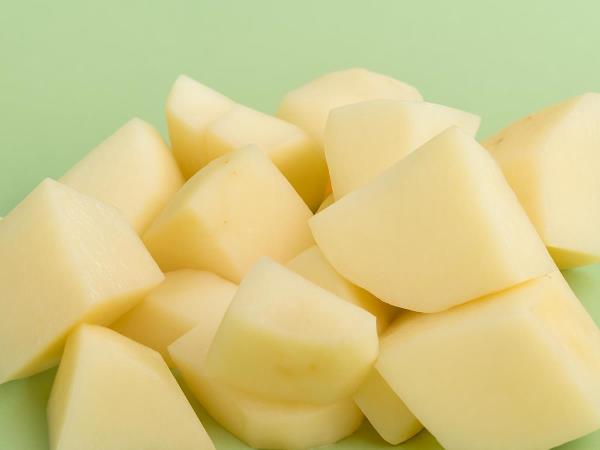
Potatoes are naturally rich in potassium, vitamin C and fiber — and when paired with cottage cheese in a simple 1:1 ratio, they become a satisfying, nutrient-dense meal that may help you naturally eat less potato overall. This article shares general nutrition information and isn't intended as medical advice.
What if the vegetable most diets tell you to avoid is actually one you shouldn't give up on completely? For generations, the potato has been cast as the villain of the plate — blamed for weight gain, lumped in with "empty carbs," and quietly banished from one low-carb meal plan after another. And yet, in kitchens across Central Europe, it refuses to disappear.
One home cook we heard from put it simply: after being told by a well-meaning friend to "just cut out potatoes" to lose a few kilos, she tried it for two weeks — and lasted about ten days before giving up, missing the comfort of a warm, hearty plate. What actually worked for her, she found, wasn't elimination but substitution: mixing her potatoes half-and-half with cottage cheese, which let her enjoy the same comforting dish while naturally eating less potato and more protein. It's a small, relatable shift, but it points to something nutrition science backs up — moderation and smart pairing tend to work better long-term than outright bans.
Why Potatoes Keep Landing in the "Foods to Avoid" Pile
Potatoes are a starchy vegetable that grows underground, and in Slovenia in particular, they're practically a national institution — roasted potatoes are a fixture on dinner tables from the coast to the Alps. So why the bad reputation?
Mostly, it comes down to carbohydrate content. Among common vegetables, potatoes are relatively carb-dense, and diets built around cutting carbohydrates understandably put them on the "limit" list. But not all starch behaves the same way in the body. The starch in potatoes isn't inherently harmful — the issue is almost always portion size and preparation method (think: deep-fried versus boiled or baked with the skin on), not the potato itself.
What the Potato Actually Brings to the Table
Beyond carbohydrates, a potato eaten with its skin on is a genuinely useful source of potassium, vitamin C, vitamin B6 and fiber — nutrients many people don't get enough of. A medium potato with skin can provide more potassium than a banana, along with a meaningful share of daily vitamin C, largely concentrated just under the skin. Mayo Clinic Health System and its dietitians have made a similar point: potatoes don't need to be dismissed as "bad" — they can be part of a healthy plate when it's their preparation, not their existence, that's managed. Leaving the skin on, as one Mayo Clinic dietitian has explained, also adds fiber that can help you feel fuller for longer — useful if weight management is part of your goal.
None of this makes the potato a superfood, and portion size still matters. But it does mean a blanket "avoid potatoes" rule throws away real nutritional value.
The Pairing That Makes It Work: Potato and Cottage Cheese
This is where cottage cheese comes in — and the match works on more than just flavor. Texturally and visually, the two are a natural fit, hot or cold (think warm mashed potato with cottage cheese stirred through, or a cold potato salad the same way). Nutritionally, they complement each other neatly: where potatoes are carbohydrate-forward, cottage cheese is protein-forward. It's a good source of high-quality casein protein and calcium, and its slow-digesting protein tends to be more filling for longer than an equivalent amount of potato alone, which supports a steadier, less carb-heavy meal.
If your goal is simply to eat less potato without giving it up, two practical habits help:
- Cook potatoes with the skin on — most of the fiber, and a meaningful share of other nutrients, sit in and just beneath the skin.
- Mix potato and cottage cheese in a roughly 1:1 ratio by volume, and treat the combined dish as a side or a light meal — not a substitute for eating more potato than you'd otherwise have. It works best as an occasional swap, not the main event every day.
One More Thing Worth Knowing
Potatoes hold onto water well, which is part of why warm potato dishes feel so comforting when you're cold, stressed, or simply not feeling your best. Some people believe potatoes can help "sweat out" a fever — this is a folk belief without solid scientific backing, so it's worth treating as comfort food rather than a remedy.
The bottom line: potatoes aren't the dietary enemy they're often made out to be. Eaten with the skin on, in reasonable portions, and paired with something protein-rich like cottage cheese, they can comfortably stay on the menu — even while you're working on eating a little less of them.
Information on this website is for educational purposes only and is not medical advice.
expert, nutritionist
 Would you like to be informed about news on the website?












|

