





The Kitchen-Cabinet Secret: Can Turmeric, Flax and Honey Balls Support Healthy Blood Pressure?
expert, nutritionist
It's the disease that doesn't hurt — until it does. No headache, no warning ache, nothing that makes you stop and check. That silence is precisely what makes high blood pressure so dangerous: people go years without a diagnosis, and by the time symptoms finally appear, the damage to the heart, kidneys or blood vessels may already be underway. According to the World Health Organization, an estimated 44% of adults living with hypertension have no idea they have it.
Even Hall of Fame quarterback Joe Montana was caught off guard. He only discovered he had hypertension during a routine doctor's visit years after retiring from football — he had assumed that, aside from the usual wear and tear of pro sports, he was in good shape. Once diagnosed, he overhauled his eating habits, recommitted to regular exercise, and began working alongside a cardiologist on a long-term plan to bring his numbers down (Joe Montana – Tips On Blood Pressure Control). His story is a reminder that hypertension doesn't discriminate by fitness level — and that small, consistent daily habits, food included, can be part of the bigger picture.
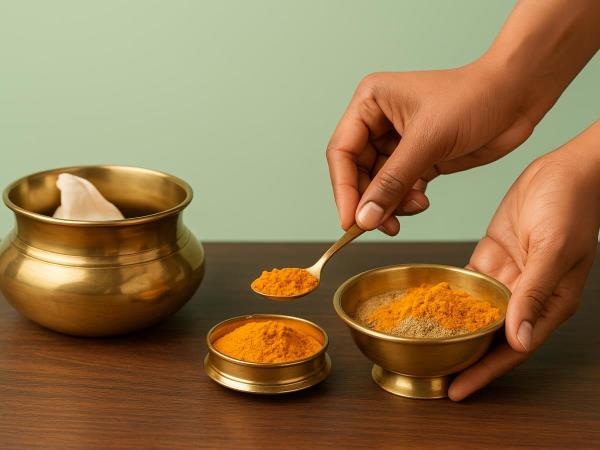
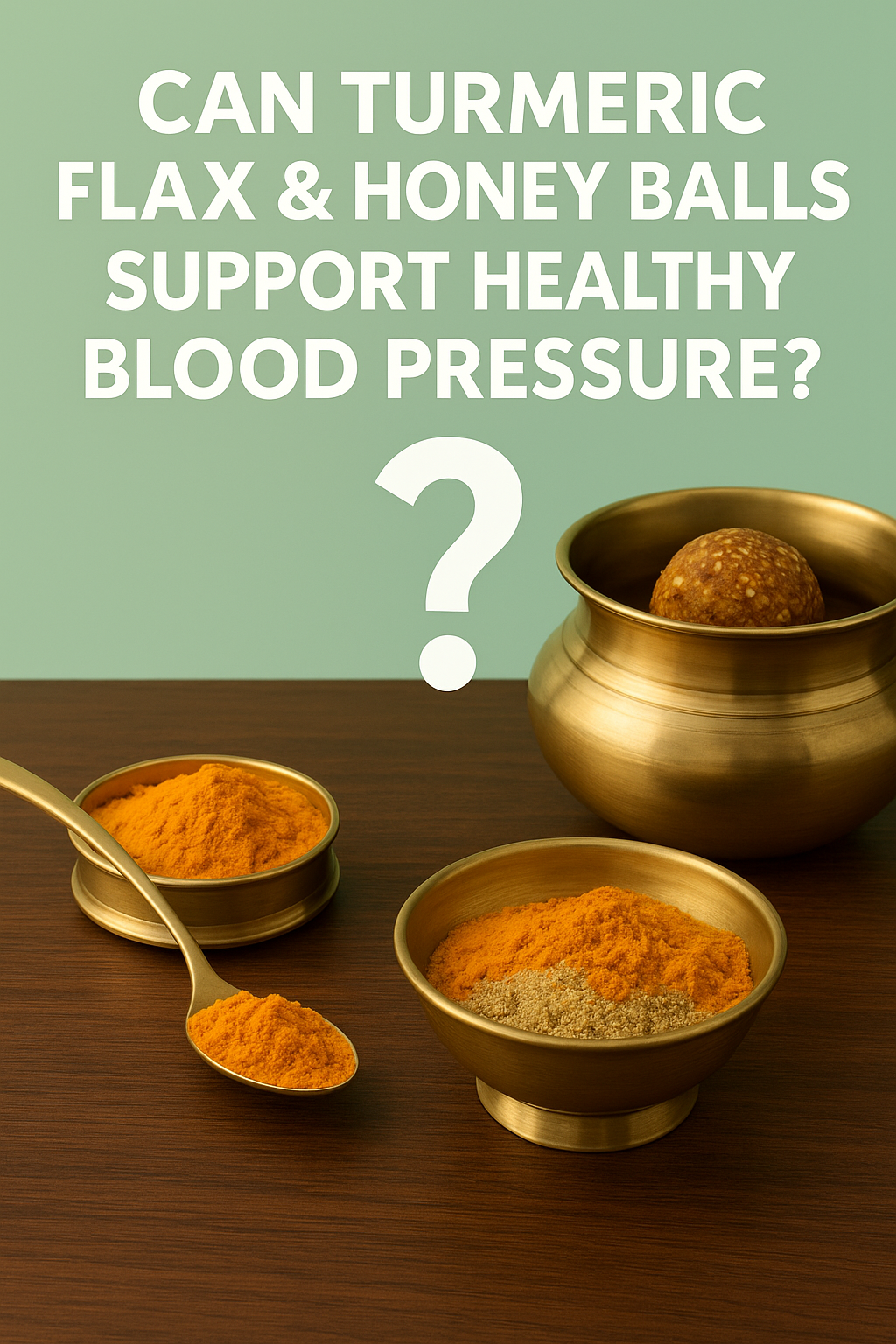
This is where a very old, very simple kitchen remedy comes in: little honey-bound balls made from turmeric, flaxseed, sesame seed and poppy seed. Folk medicine has leaned on this combination for generations, and modern nutrition science is beginning to explain why it may genuinely help — in modest, supportive ways.
What You'll Need
- 1 tablespoon flaxseed
- 1 tablespoon sesame seed
- 1 tablespoon poppy seed
- 1 tablespoon turmeric
- 2 tablespoons honey
How to Prepare It
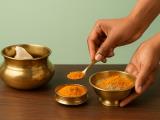
The preparation couldn't be simpler. Grind the seeds and turmeric together in a coffee or spice grinder until you have a fine, fragrant powder. Only then stir in the honey, mixing thoroughly until you get a smooth, workable paste. Shape the mixture into 4 to 5 small balls and store them in the refrigerator. One detail is worth taking seriously: keep the mixture away from plastic and metal — including plastic wrap or containers — since turmeric's active compounds can react with these materials over time. Glass or ceramic containers are the better choice.
One ball a day is the general guideline — eaten either first thing in the morning on an empty stomach, or in the evening before bed. Blood pressure is a condition that responds gradually rather than overnight, so don't expect dramatic results in the first day or two; most people who try this kind of dietary addition give it at least a few weeks before judging whether it's making a difference, and ideally do so with their doctor tracking their numbers alongside them.
The Secret Behind This Recipe: Turmeric's Long Journey
Few people realize that turmeric arrived in Europe along the same maritime spice routes that also carried pepper and other treasures from India — trade routes pioneered by Portuguese navigator Vasco da Gama at the end of the 15th century, when European explorers first found a direct sea passage to India's spice-producing coast (The Spice Trade & the Age of Exploration). For centuries afterward it remained a relatively niche, exotic ingredient in the West. That changed as Western interest in Ayurvedic medicine grew, and turmeric's active compound, curcumin, became one of the most studied natural compounds in nutrition science.
Here's what current research actually shows — stated carefully, because the effects are real but modest. A 2019 systematic review and meta-analysis pooling 11 clinical trials found that curcumin and turmeric supplementation was associated with a measurable, if modest, reduction in blood pressure compared with a control group (The effect of Curcumin/Turmeric on blood pressure modulation: A systematic review and meta-analysis). A larger 2024 dose-response meta-analysis of 35 randomized controlled trials reached a similar conclusion, reporting small but statistically significant reductions in both systolic and diastolic blood pressure among people who took curcumin or turmeric supplements over time (Curcumin/turmeric supplementation could improve blood pressure and endothelial function). Researchers believe curcumin's antioxidant and anti-inflammatory properties may help protect blood vessel function, which in turn supports healthier circulation over time.
It's worth being honest about the scale of this effect: we're talking about a difference of roughly 2 to 3 mmHg in most studies — a gentle nudge, not a dramatic drop, and nowhere near a substitute for prescribed medication in anyone already diagnosed with hypertension. If you'd like to bring more turmeric into your routine beyond this recipe, a simple warm turmeric drink is another easy way to do it.
Why the Other Ingredients Matter Too
Turmeric gets most of the attention, but the seeds in this recipe are doing real work of their own, and together they're what gives this remedy its reputation for gently supporting digestion and overall energy.
Flaxseed is one of the richest plant sources of omega-3 fatty acids, along with fiber and lignans — plant compounds with mild antioxidant activity. We've written before about flax seeds and the foods that can cancel out their benefits if combined incorrectly, so grinding them fresh, as this recipe does, is the right approach.
Sesame seed brings magnesium, healthy unsaturated fats and plant lignans to the mix, all of which are linked in nutrition research to healthier cholesterol levels and relaxed, better-functioning blood vessels (15 Impressive Health Benefits of Sesame Seeds).
Poppy seed, meanwhile, is a genuinely underrated source of calcium, magnesium and manganese — minerals that play a supporting role in normal muscle and blood vessel function (Eating Poppy Seeds? Here Are the Health Benefits, Nutrition, and Risks).
Honey isn't just there to hold the mixture together and make it palatable — raw honey contains its own small array of antioxidant plant compounds, and it's the reason this remedy has stayed a kitchen staple across generations, long before anyone had a name for "antioxidants."
Put together, the common thread running through this recipe is support for digestion and a general sense of steady energy — themes that traditional nutrition wisdom has long tied to overall wellbeing, and that modern research is only now beginning to map in more detail.
A Few Things Worth Knowing Before You Start
This recipe is best thought of as a gentle, supportive addition to a generally healthy diet — a small daily habit, not a treatment. It should never replace prescribed blood pressure medication or a doctor's monitoring, and if you are already on antihypertensive medication, it's worth mentioning any new supplement, including turmeric, to your physician, since curcumin can interact with certain blood thinners and other medications.
Two groups should skip this recipe specifically: people with platelet or clotting disorders, since turmeric may have a mild blood-thinning effect, and pregnant women, for whom concentrated turmeric intake isn't recommended. If either applies to you, it's worth having a quick conversation with your doctor before adding this — or any new supplement — to your routine.
Information on this website is for educational purposes only and is not medical advice.
expert, nutritionist
 Would you like to be informed about news on the website?











|

