




Garlic in the Ear: Why This Beloved Grandma's Trick Doesn't Hold Up to Science
expert, nutritionist
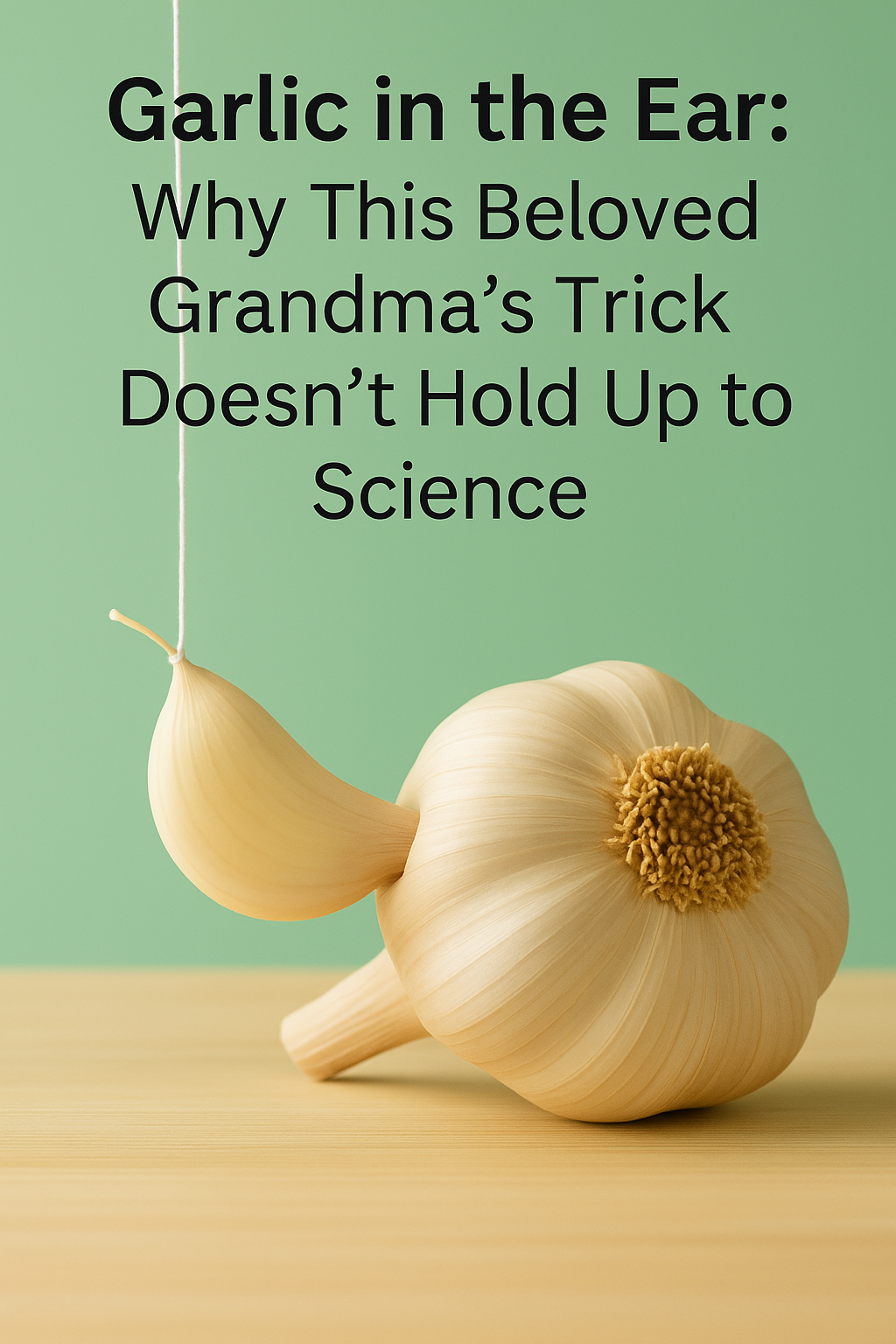
It sounds almost too simple to be true: peel a clove of garlic, thread a string through it, slide it gently into the ear, and wait for the ache to fade. Variations of this trick have been passed down through generations, whispered from grandmother to grandchild as a quick fix for the seasonal earaches so many of us remember from childhood. But how much of this cherished home remedy is folklore, and how much is fact?
A Story That Almost Everyone Has Heard
Ear pain has a way of striking at the worst possible moment — during a change of season, in the middle of the night, right before a big event. It is no surprise that home remedies for earache are some of the most widely shared pieces of family wisdom anywhere in the world. The garlic trick is a perfect example: unlike a specific celebrity story, it is one of those pieces of advice that seems to belong to everyone's grandmother at once, repeated in kitchens across Europe, Asia, and beyond, long before anyone thought to ask what was actually happening inside the ear canal.
Where the Idea Comes From: Allicin
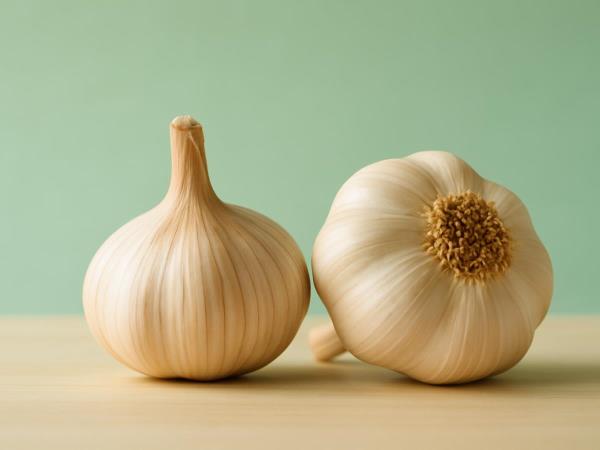
The logic behind the garlic trick isn't entirely without foundation. Garlic contains a compound called allicin, released when a clove is crushed or cut, which does show antimicrobial activity in laboratory studies. It's this compound that gives raw garlic its sharp smell — and its long history in traditional medicine as a general-purpose remedy for everything from colds to infections.
The trouble is the gap between a laboratory dish and the human ear canal. According to a review of the evidence by Caring Sunshine, while some studies show garlic extracts can inhibit certain bacteria and fungi in controlled settings, there are very few high-quality clinical trials testing garlic's safety or effectiveness as an actual ear treatment in real patients. In plain terms: allicin might be interesting in a test tube, but that doesn't mean a whole clove belongs in your ear.
What the Experts Actually Say
Ear, nose and throat specialists have been fairly consistent on this point. Philip Fullante, an otorhinolaryngologist at the Philippine General Hospital, told fact-checkers at VERA Files that while garlic's antimicrobial properties are well documented, he would not recommend placing a solid clove inside the ear canal, since it can easily become lodged and difficult to remove. Samuel Adoga, a professor of ear, nose, throat, head and neck surgery, was even more direct in comments to Africa Check: there is no scientific proof to support the claim, and he would not encourage anyone to try it.
This isn't just theoretical caution. A widely reported case covered by Fox News described a patient whose garlic clove remained lodged in his ear canal for two months after he tried the remedy at home, ultimately requiring a clinician to remove the fermented clove and treat the resulting inflammation. Cases like this are exactly why doctors warn against inserting whole solid objects — garlic included — into the ear canal, where they can obstruct natural drainage and, ironically, make inflammation worse rather than better.
Softening the Trick, Not Ignoring the Wisdom
None of this means garlic has no place in easing ear discomfort — it just means the traditional "whole clove and string" method isn't the safest way to use it. Healthline notes that some older, small studies on naturopathic ear drops containing garlic alongside other herbal ingredients found them comparably effective to over-the-counter drops at easing pain in children — though researchers are careful to note the evidence base is still limited and more rigorous studies are needed. A gentler, more contained approach some traditional practices favor is infusing crushed garlic in warm oil, straining it, and applying only a drop or two externally around (not inside) the ear canal — though even this should be discussed with a doctor first, especially for children or anyone who may have a perforated eardrum.
What Actually Helps an Earache
According to Mayo Clinic, many ear infections are viral or resolve on their own, so initial care often focuses on comfort rather than aggressive treatment. Sensible, well-supported options include:
- A warm compress held gently against the outer ear can ease discomfort.
- Over-the-counter pain relievers such as acetaminophen or ibuprofen, used according to label directions (and never aspirin for children).
- Rest and hydration, giving the body's own defenses time to work, particularly for younger children who often can't yet describe their symptoms clearly.
Never insert cotton swabs, fingers, or any solid object — garlic included — into the ear canal, as this can damage the delicate skin lining the canal or push wax and debris further in.
When It's Time to See a Doctor
Home comfort measures are reasonable for mild, short-lived discomfort, but Mayo Clinic advises seeking medical attention if:
- Symptoms last more than a day or two, or keep getting worse
- The pain is severe
- There is any discharge of fluid, pus, or blood from the ear
- An infant is younger than six months old and shows signs of ear pain
- Hearing seems noticeably reduced
A qualified healthcare provider can examine the eardrum, distinguish between the different types of ear infection, and recommend a treatment plan suited to the actual cause — something no home remedy, however time-honored, can safely substitute for.
The Takeaway
The garlic-in-the-ear trick endures because it comes from a place of genuine care — a simple, low-cost idea passed down by people who wanted to soothe a loved one's pain with what was on hand in the kitchen. The allicin in garlic is real, and its antimicrobial properties are genuinely interesting to researchers. But translating that into a clove wedged into the ear canal doesn't hold up, and it carries real risks of irritation, blockage, or injury. The kinder version of grandma's wisdom is this: keep the garlic in the kitchen, reach for a warm compress and a doctor's advice when the ear pain doesn't ease, and save the clove for dinner.
Information on this website is for educational purposes only and is not medical advice.
expert, nutritionist
 Would you like to be informed about news on the website?














|

