






Five Autumn Foods Your Body Has Been Waiting For All Year
expert, nutritionist
The moment the first roasted chestnut stand appears on the corner, something in us relaxes. It's not just nostalgia. Autumn produce genuinely concentrates a combination of nutrients — fiber, potassium, plant pigments, vitamin C — that's hard to match in any other season, and nutritionists have long pointed to this seasonal shift as a smart, low-effort way to support the body heading into colder months.
Even elite athletes have leaned on autumn's most humble root vegetable to get an edge. British Paralympian David Weir credited beetroot juice as part of his preparation for the 2012 London Paralympics, where he went on to win four gold medals. He wasn't imagining things: researchers at the University of Exeter had already shown that the nitrates in beetroot juice can measurably improve exercise performance, and the finding has since been studied widely in sports nutrition. That's the kind of quiet, everyday power hiding in this season's produce — let's look at five foods worth putting back on the table.
Chestnuts
The chestnut season is only just getting started, but this nut deserves a spot on your plate early. Chestnuts stand out among nuts for their unusually high vitamin C content — a 100-gram roasted serving provides roughly 26 mg, close to half the recommended daily intake, which is rare for a nut. They're also a solid source of potassium (around 590 mg per 100 g) and phosphorus, both of which play a role in normal muscle and bone function, and they contain a meaningful amount of B6 and folate. Some research also credits chestnuts with one of the highest polyphenol concentrations of any common food, compounds associated with antioxidant activity in the body. The one catch: chestnuts are more caloric and starchy than most other autumn foods, which is exactly why they're also so satisfying — a small handful tends to go a long way.
Pears
Pears contain a range of B vitamins and are a genuinely excellent source of fiber — a medium pear provides about 5–6 grams, roughly a fifth of the recommended daily intake for adults. According to Foodwhisper's own deep dive, What happens to the body if we eat pears regularly, that fiber (plus natural sorbitol and fructose) is what makes pears so gentle on digestion, though people with a sensitive gut may want to introduce them gradually. Pears are also considered useful for people managing blood sugar: WebMD notes that pears sit in the low-to-medium range on the glycemic index thanks to their fiber content, and their potassium and antioxidant content may support cardiovascular health as part of an overall balanced diet. For many people, pears end up being just as nutritionally valuable as apples — sometimes more so when it comes to fiber and potassium.
Pumpkin
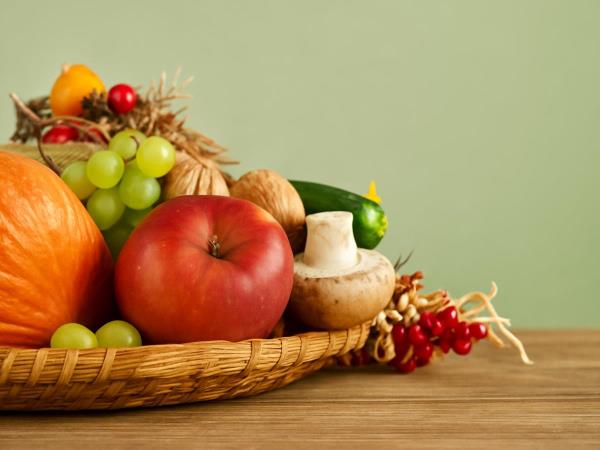
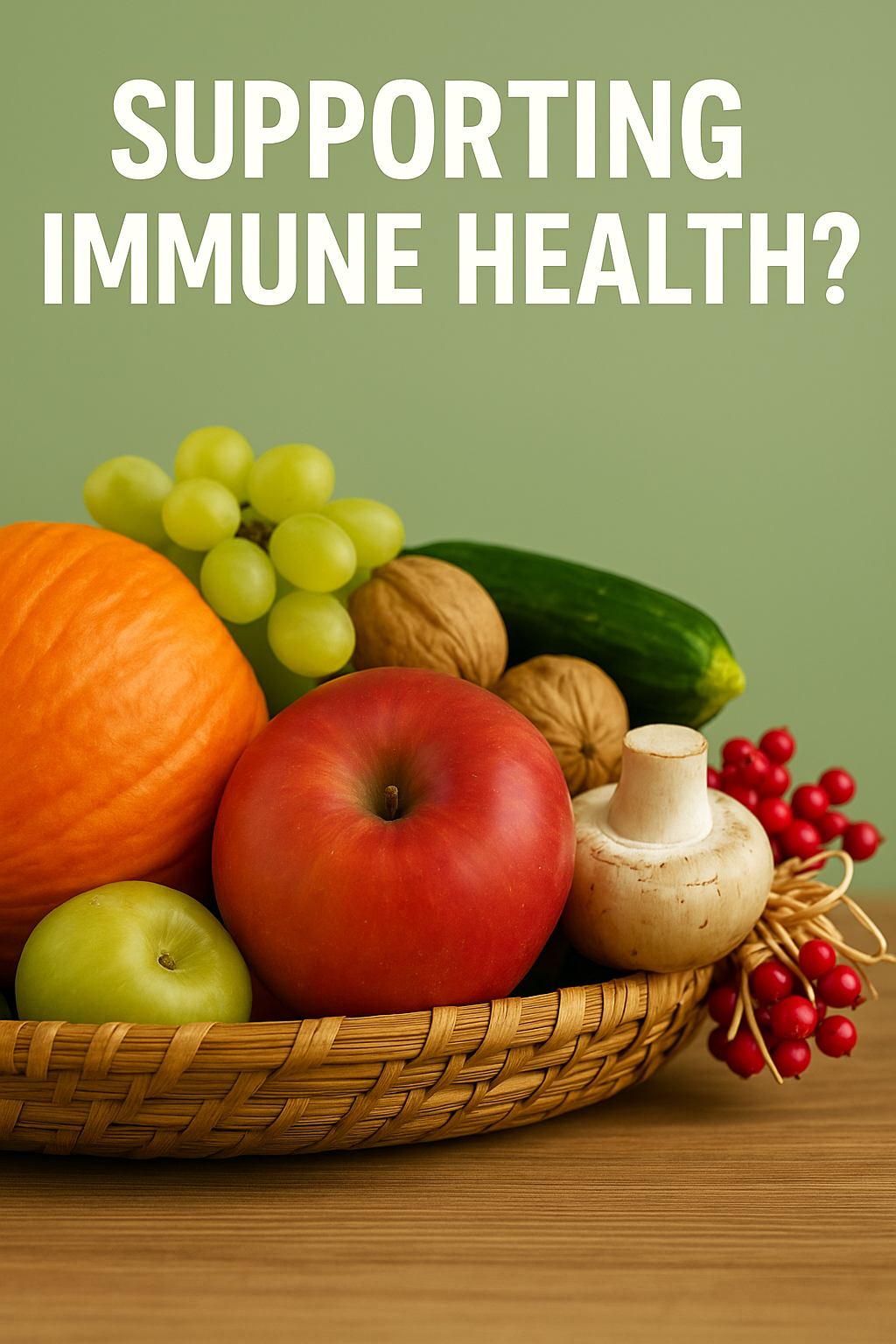
Sometimes called the queen of autumn — fittingly, given its color — pumpkin earns the title through its nutrient density rather than any single miracle compound. It's an excellent source of fiber and, above all, of beta-carotene, the plant pigment your body converts into vitamin A. According to a detailed nutrition review, that beta-carotene is linked to immune function and eye health, and pumpkin also supplies the carotenoids lutein and zeaxanthin, which are concentrated in the retina and may help protect it from UV-related damage. One cup of cooked pumpkin also provides more potassium than a banana, along with magnesium, phosphorus, and a useful amount of vitamin C — all for around 50 calories. And don't discard the seeds: pumpkin seeds add protein, zinc, and healthy fats to the mix.
Beetroot
Beetroot has a well-earned reputation for supporting circulation, and the science backs it up: its naturally high nitrate content is converted in the body into nitric oxide, which helps blood vessels relax and may contribute to healthier blood pressure — the same mechanism behind David Weir's pre-race routine mentioned above. Beyond that, beetroot is a strong source of folate, manganese, and fiber, along with betalain pigments that give it its color and are being studied for their antioxidant properties. One correction worth making here: beetroot is not actually a major vitamin C source compared with citrus — at around 5 mg per 100 g, it has far less than an orange. Its real strength lies in nitrates, folate, and minerals, not vitamin C. As with most root vegetables, a quick steam or light cooking preserves far more of these nutrients than boiling it for a long time.
Apples
Yes, it's harder than ever to find a truly "natural" apple given how intensively the fruit is farmed today — but the nutritional case for eating one daily still holds up well. Apples are a leading source of pectin, a soluble fiber that Foodwhisper has covered in depth in What not to eat early in the morning (or late at night), where pectin's slow, steady release of sugar into the blood is highlighted as one reason apples make a good empty-stomach snack for some people. Don't peel it, either: as explained in Foodwhisper's 4 mistakes in the kitchen that make you lose nutrients, apple peel can contain up to four times more fiber than the flesh, plus quercetin, a plant antioxidant linked to lower inflammation. There's also emerging research interest in apple polyphenols more broadly — a 2020 study published in the Journal of the Science of Food and Agriculture found that apple polyphenols were associated with favorable changes in fat metabolism in animal models, though human evidence is still developing. What's well established is simpler: apples are low in calories, high in fiber, and endlessly portable — a genuinely easy win for a daily habit, as Foodwhisper's apple-a-day feature also explores.
Information on this website is for educational purposes only and is not medical advice.
expert, nutritionist
 Would you like to be informed about news on the website?












|

