




7 Foods That Might Be Secretly Sabotaging Your Morning — Number 3 Surprises Almost Everyone
expert, nutritionist
You wake up, you're hungry, and you reach for whatever's closest — an orange, a banana, maybe a spoonful of yogurt straight from the fridge. It feels healthy. It feels harmless. But according to several registered dietitians, what you eat in that very first bite of the day can quietly set the tone for how your stomach behaves for hours afterward. For most people, none of this is dangerous — but for anyone prone to acid reflux, bloating, or a sensitive gut, the order in which you eat things can matter more than you'd expect.
One reader who wrote to us described spending years starting her mornings with a big glass of orange juice, convinced she was doing something good for her immune system — only to realize, after cutting it out and eating something else first, that the mid-morning stomach cramps she'd blamed on "stress" quietly disappeared. Her story isn't unique. Gastroenterologists hear versions of it constantly, and it's part of why the question "what should I not eat on an empty stomach" has become one of the most searched nutrition topics online.
To be clear from the outset: eating any of the foods below on an empty stomach is not inherently dangerous for most healthy adults, and none of this is a substitute for advice from your own doctor or dietitian. But if you already deal with gastritis, acid reflux, or a generally touchy digestive system, timing can make a real difference. Here are seven foods worth eating a little more strategically.
1. Citrus Fruits
Oranges, mandarins, and grapefruit are nutritional powerhouses — but their high acid content is exactly why they can be a rough way to start the day on an empty stomach. According to Livestrong, citrus fruit's acidity can aggravate acid reflux and, in some people, existing gastritis, sometimes triggering stomach pain or a burning sensation. Nutrition experts consulted for a report in a gastritis-focused health guide note that introducing a concentrated dose of acid into an already-empty, more sensitive stomach lining can make things worse for people who are prone to it — though the same fruits, eaten as part of a balanced meal, are generally well tolerated. Children with especially sensitive skin have also been reported to react to high citrus intake with skin irritation, so as with most things, moderation and timing are the name of the game.
2. Yogurt
Yogurt's biggest selling point is its live probiotic cultures — the "good bacteria" that support gut health. The catch is timing: Healthline reports that many of these beneficial microorganisms have to survive a genuinely harsh, acidic stomach environment before they ever reach the intestines where they do their work, and food in the stomach helps buffer that acid, improving the odds that the bacteria survive the trip. Eaten completely alone on an empty stomach, a larger share of those probiotics may simply be destroyed before they get the chance to help you at all. The simple fix nutritionists suggest: pair your yogurt with a little fruit, oats, or nuts rather than eating it in total isolation.
3. Bananas
This is the one that tends to catch people off guard. Bananas are genuinely excellent for you — Healthline notes they're a strong source of both potassium and magnesium, two minerals that play a key role in heart and muscle function. The concern some nutritionists raise is about balance, not the fruit itself: eating a banana completely alone on an empty stomach delivers a concentrated hit of magnesium with nothing to slow its absorption, and some clinicians, as reported by gastroenterology specialists at Vinmec International Hospital, have observed that this can occasionally tip the body's natural calcium-magnesium balance and contribute to bloating or stomach discomfort in sensitive individuals. Their advice is refreshingly simple: bananas are still a great choice — just try pairing yours with a small handful of nuts, some oats, or a glass of milk rather than eating it completely on its own.
4. Added Sugar
A sweet breakfast — pastries, sugary cereal, a sugary coffee — might feel like an easy energy boost, but it tends to backfire. Dietitians interviewed by Eat This, Not That! point out that sugar-heavy breakfasts cause rapid blood sugar spikes, which push the pancreas to release a surge of insulin to bring levels back down — and that rollercoaster often ends in an energy crash and hunger returning within a couple of hours. The healthier, still-delicious alternative most nutritionists recommend is simple: build breakfast around protein, fiber, and healthy fats, and save the sweeter treats for later in the day when they'll do less damage to your energy levels.
5. Raw Vegetables
It sounds counterintuitive for something so healthy, but raw vegetables can be a tough ask for an empty stomach. As one nutrition resource on foods to avoid on an empty stomach explains, the tough, fibrous texture of raw cucumbers, tomatoes, peppers, or cabbage can be genuinely hard to break down without anything else in the stomach, sometimes leading to bloating, gas, or discomfort — and can be especially irritating for anyone already dealing with gastritis. The good news: cooking or lightly steaming vegetables softens that fiber considerably, and lunch or dinner — rather than first thing in the morning — is generally the better time to enjoy them raw.
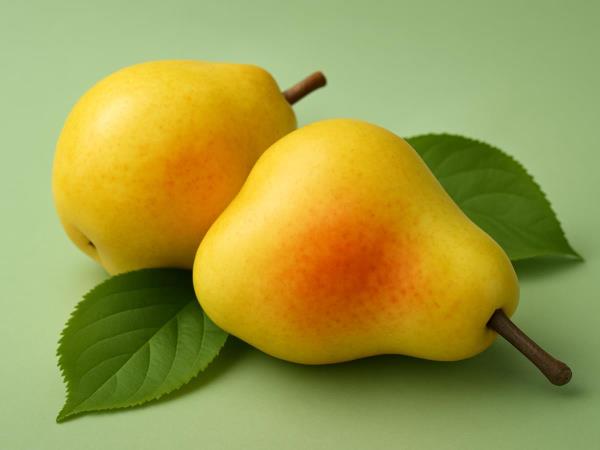
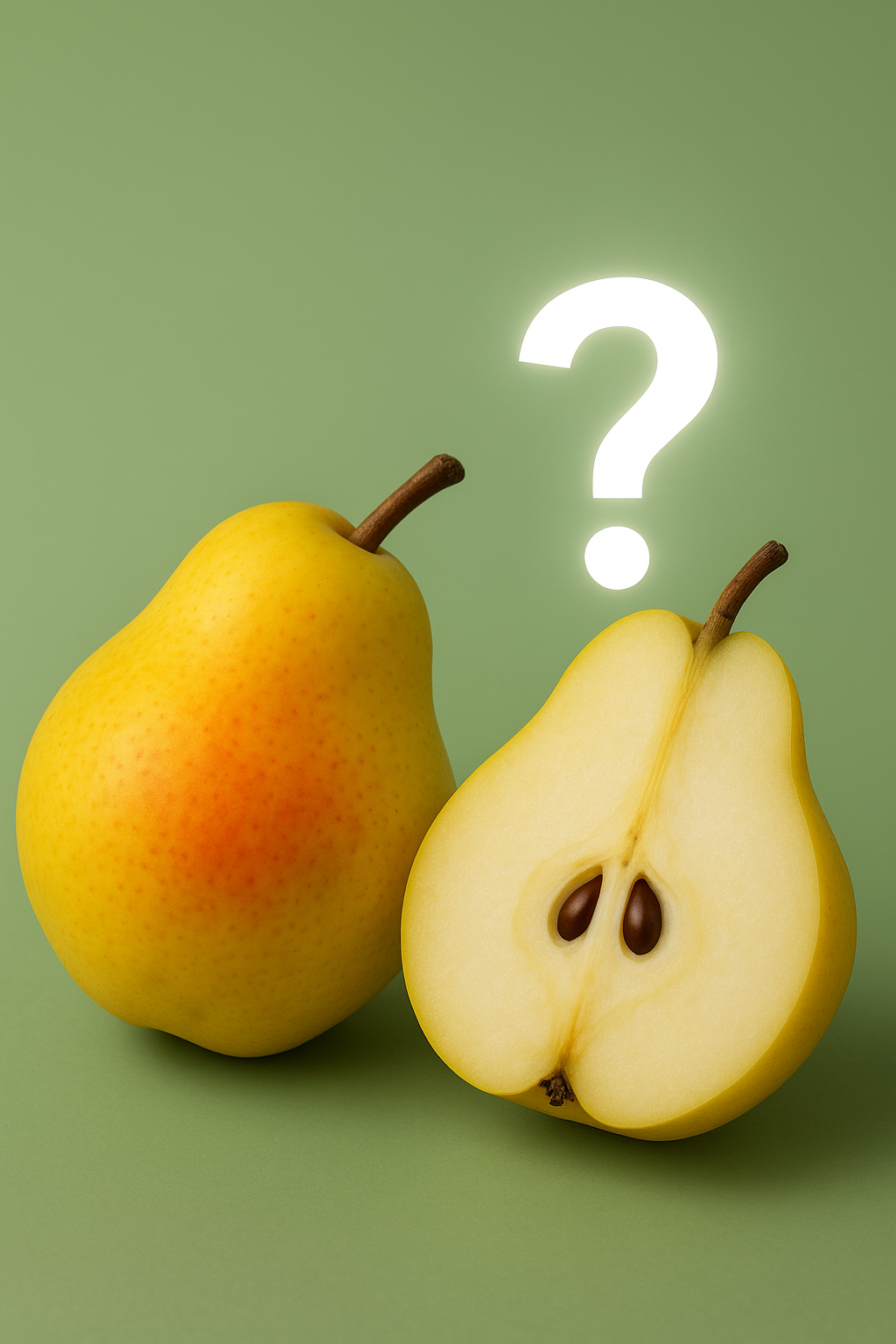
6. Pears
Pears are rich in fiber, vitamins, and minerals, but that same fiber — along with their natural fruit acids — is exactly why nutrition experts suggest not making them your very first bite of the day. A nutrition expert quoted in Jordan News specifically warned against eating pears on a completely empty stomach, since their fiber and organic acids can irritate the gastric lining — a caution she extended especially to anyone with high-acidity gastritis or stomach ulcers. Pears also contain sorbitol, a natural sugar alcohol that, as FoodMarble's digestive research notes, can draw water into the gut and cause bloating in sensitive people if consumed in a large dose with nothing to buffer it. The simple fix: enjoy your pear about half an hour after a meal, particularly a heavier or meat-based one — not as the opening act.
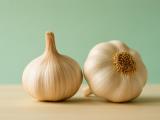
7. Garlic
Few people are reaching for raw garlic first thing in the morning, but it's worth flagging anyway, especially for anyone chasing its impressive health reputation. Healthline reports that eating garlic — raw in particular — is associated with an increased likelihood of heartburn, and the effect tends to be stronger on an empty stomach than alongside a meal. Beyond digestive discomfort, garlic's sulfur compounds are also, unsurprisingly, the reason behind the lingering breath most of us associate with it. If you're taking garlic for its health benefits, most nutritionists suggest having it alongside food rather than alone, both for your stomach's sake and everyone else's.
The Bottom Line
None of the foods on this list are "bad" — every one of them is a genuinely healthy choice in the right context. The common thread nutritionists keep coming back to is simple: your stomach tends to handle food better when it isn't working completely alone. Pairing fruit with a little protein or fat, cooking your vegetables before lunch instead of eating them raw at dawn, and giving probiotic-rich foods something to travel with are all small, easy adjustments that can make a real difference for anyone whose digestive system tends to be sensitive first thing in the morning.
As always, if you experience regular stomach pain, heartburn, or digestive discomfort regardless of what or when you eat, it's worth having a conversation with your doctor rather than trying to self-diagnose — timing your breakfast is a helpful habit, not a medical treatment.
Information on this website is for educational purposes only and is not medical advice.
expert, nutritionist
 Would you like to be informed about news on the website?











|

