





Horseradish vs. Ginger: Which Root Wins on Nutrition — and Why the "Overnight Belly Wrap" Trick Doesn't Actually Melt Fat
expert, nutritionist
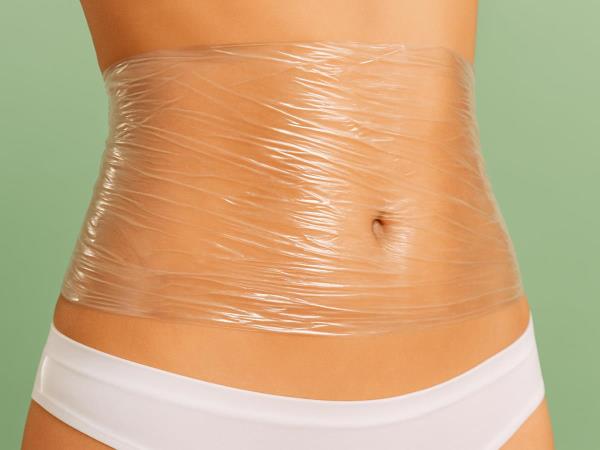
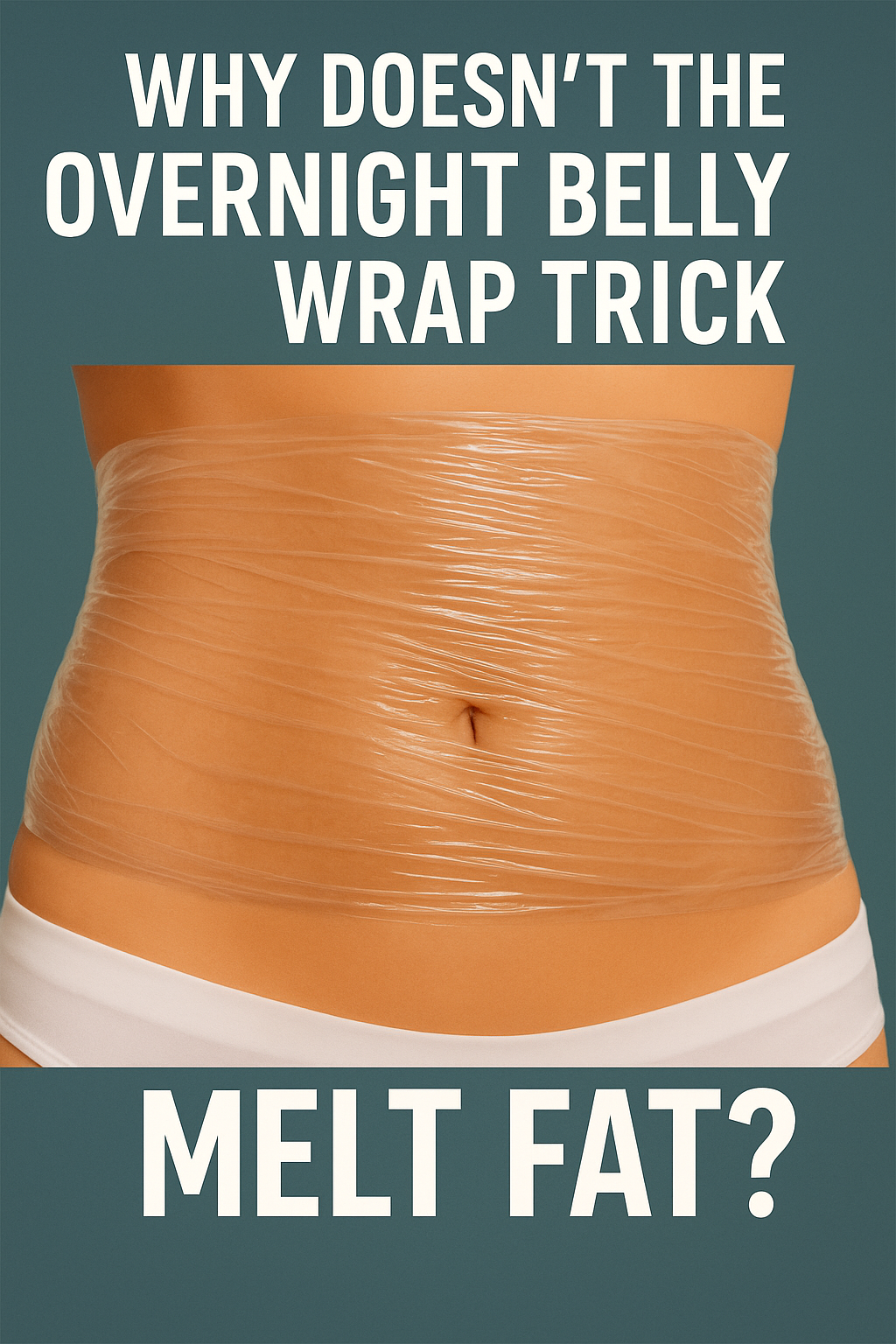
If you've spent any time in home-remedy corners of the internet, you've probably run into the "overnight wrap": a warm paste of horseradish or ginger powder mixed with lotion, smeared on the stomach, sealed under plastic wrap, and left on overnight with the promise of waking up several kilograms lighter. It's a satisfying idea — no diet, no gym, just a bit of tingling and a smaller waistline by morning. Unfortunately, it doesn't hold up, and it's worth understanding exactly why, because the explanation says a lot about how fat loss actually works.
First, though, let's give horseradish and ginger their due. Both are genuinely interesting roots nutritionally, and comparing them head-to-head is a good excuse to look at what each one actually offers.
Horseradish vs. Ginger: The Numbers (per 100 g)
Nutrient data below is drawn from the USDA FoodData Central database, as compiled by independent nutrition-data sites that cite USDA figures directly.
| Nutrient | Horseradish, prepared | Ginger root, raw |
|---|---|---|
| Calories | 48 kcal | 80 kcal |
| Carbohydrates | 11.3 g | 17.8 g |
| Vitamin C | ~25 mg (about 28% DV) | ~3–5 mg |
| Magnesium | ~27 mg | 43 mg |
| Potassium | lower | 415 mg |
| Dietary fiber | 3.3 g | 2.0–2.8 g |
So the honest summary: horseradish wins on calories, carbs, and vitamin C — a 100 g portion delivers a meaningful share of your daily vitamin C for a fraction of the energy cost. Ginger wins on magnesium and potassium, both important for muscle and nerve function, and it brings gingerol, the compound behind its characteristic warmth and much of its studied anti-inflammatory activity. Neither is a food most people eat in 100 g servings at once — horseradish especially is intensely pungent — but as condiments and flavoring roots, both are nutritionally solid additions to a varied diet. You can check the full nutrient breakdowns yourself via the USDA-sourced horseradish profile and the USDA-sourced ginger root profile.
Now, About That Overnight Wrap
The wrap trick — horseradish or ginger powder mixed with lotion, applied to the stomach, sealed under plastic film, left overnight — circulates widely with claims of losing 2–3 kg of fat in a single night. It's worth being direct about this: that specific claim isn't supported by how the body actually loses fat, and it's worth understanding why, because the mechanism gets misunderstood a lot.
What a warm wrap does do is raise local skin temperature and increase sweating in that area — similar to sitting in a sauna with a towel around your midsection. That produces real, measurable water loss, and it can genuinely make the scale number drop and the skin feel tighter by morning. But it's water, not fat, and it returns as soon as you rehydrate. A UAB plastic surgeon summed it up plainly in a university health release: body wraps are "incapable of producing anything more than temporary water loss," with nothing to do with any lasting loss of fat cells. The UK's Advertising Standards Authority takes the same position, requiring wrap marketers to clearly distinguish water loss from fat loss in their claims, and consumer health outlets that have reviewed the evidence, like Healthline's rundown on body wraps, reach the same conclusion.
There's also a deeper reason this couldn't work even in principle: fat isn't released or burned at the skin surface where you apply heat or pressure. Losing fat requires the body to mobilize stored triglycerides from fat cells throughout the body and use them for energy — a hormonally regulated, whole-body process, not a local one. This is the same reason "spot reduction" exercises (like endless crunches for belly fat) don't preferentially shrink the area being worked; research on localized fat loss consistently finds that fat mobilization doesn't concentrate under the skin nearest to wherever you're applying heat, pressure, or exercise. A paste on the skin, however warming or tingly it feels, has no pathway into that process.
What Horseradish and Ginger Are Actually Good For
None of this means these roots are useless for digestion or comfort — just that their benefits are modest and don't involve dissolving fat. Both have a long history of traditional use for supporting digestion after a heavy meal, and ginger in particular has been studied for easing nausea and mild digestive discomfort. Their pungent compounds can produce a warming, slightly stimulating sensation on the skin or in the gut, which is likely part of where folk remedies like the wrap trick originated — the tingling feels like "something is happening," even though what's happening is sweating and mild skin irritation rather than fat breakdown.
If you enjoy the ritual of a warm wrap as something relaxing, there's no serious harm in it for most people (skip it if you have sensitive skin, are pregnant, or have any circulation issues, and always patch-test horseradish or ginger paste first — both can irritate skin left on for hours). Just go in expecting a pampering evening and maybe a night of better digestion, not kilograms of vanished fat by breakfast.
The Bottom Line
Horseradish and ginger are both nutritionally worthwhile roots, each with a different strength — vitamin C for horseradish, magnesium and potassium for ginger. But sustainable fat loss comes from a sustained calorie deficit, not from a topical paste, no matter how warm it feels overnight. If you're looking to actually shift body composition, the evidence-backed levers remain the boring but effective ones: consistent nutrition, regular movement, and time.
Information on this website is for educational purposes only and is not medical advice.
expert, nutritionist
 Would you like to be informed about news on the website?










|

