





Two Kitchen Staples That Might Give Your Cholesterol a Helping Hand
expert, nutritionist
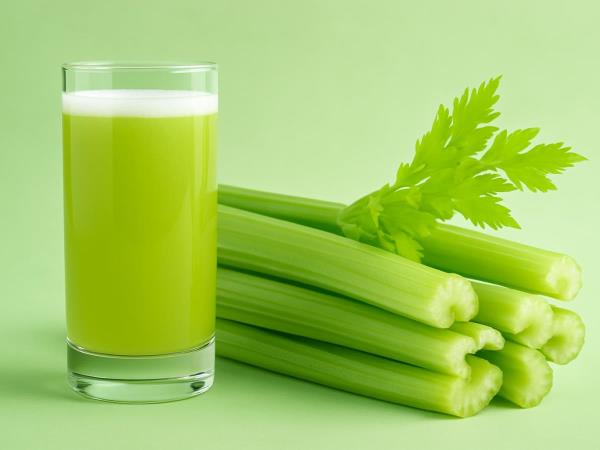
Six lemons, four stalks of celery, a jar of cold water, and 24 hours of patience — that's the entire ingredient list for a drink that home cooks have been quietly passing down for generations. It sounds almost too simple to matter. Yet when you look at what's actually inside a stalk of celery and a wedge of lemon, the appeal starts to make a little more sense.
A reader's kitchen experiment
One reader who wrote in about trying a version of this drink described it less as a "cure" and more as a habit that fit naturally into her mornings — something she made in batches on Sundays and sipped before lunch and dinner all week, alongside the usual advice from her doctor about diet and exercise. That's probably the most honest way to think about it: not a substitute for medical care, but a small, pleasant ritual that sits alongside it.
Where cholesterol actually comes from
Cholesterol levels are shaped by many things — genetics, activity levels, and, importantly, diet. Some people focus on eating less cholesterol-containing food directly, but according to the American Heart Association, keeping LDL ("bad") cholesterol low and HDL ("good") cholesterol higher is the bigger-picture goal, and overall diet quality matters more than any single food. That's the context worth keeping in mind before trying any home remedy, including this one.
The recipe
The drink itself couldn't be simpler:
- 6 lemons
- 4 stalks of celery
- 1 liter of cold water
Wash the lemons thoroughly — a little baking soda helps lift any wax or residue from the peel — then chop them, peel and all, into small pieces. Do the same with the celery. Combine both with the liter of cold water, stir, and leave the mixture in a dark, cool spot (not the refrigerator) for 24 hours. The next day, strain the liquid through cheesecloth and store it in the fridge. The idea is to drink about a deciliter (roughly a third of a cup) before each meal.
Why celery, specifically?
Celery is often compared to parsley — a similar look, a milder nutrient profile in some respects, but notably rich in fiber and plant compounds. Most of the research on celery and cholesterol so far comes from laboratory and animal studies rather than large human trials, so the findings are promising but preliminary. In one such study, celery seed extract reduced cholesterol buildup in cultured cells exposed to oxidized LDL, and eased the associated inflammatory response, according to research published via PubMed. Separately, rats fed a high-fat diet alongside aqueous celery extract showed lower total cholesterol, LDL, and triglyceride levels than a control group, in a study also indexed on PubMed. These are animal and cell-culture results, so they can't be read as proof the same effect happens in people who drink a homemade lemon-celery infusion — but they do explain why celery keeps coming up in this conversation.
Celery also has a long history in traditional herbal use — as a diuretic and as a folk remedy for gout and rheumatic discomfort, dating back to ancient Greece and Egypt. It's worth being upfront, though: as a detailed naturopathy reference from Altmeyers Encyclopedia notes, these traditional uses have not been scientifically proven effective, and celery can trigger allergic reactions in some people, so it's a food to enjoy in moderation rather than treat as medicine.
Why lemon, specifically?
Lemon's main claim to fame here is vitamin C. A 2008 meta-analysis of 13 randomized controlled trials, published in the Journal of Chiropractic Medicine, found that people with high cholesterol who supplemented with at least 500 mg of vitamin C daily for a month or more saw a modest average drop in LDL cholesterol and triglycerides. That's a meaningfully higher dose than what you'd get from a few lemons in a jar of water, and more recent, mixed reviews on vitamin C and cholesterol suggest the effect isn't consistent across everyone — so it's fair to call this a gentle, supporting nutrient rather than a fix on its own.
A simple habit, not a substitute for treatment
If you already enjoy the taste of lemon and celery, adding this drink to your routine is a low-risk habit that pairs naturally with the kind of diet doctors already recommend for heart health — more fiber, more plant foods, less reliance on any single "miracle" ingredient. If you take blood thinners or other medications, though, it's worth mentioning any big increase in citrus or celery intake to your doctor or pharmacist first, since both can interact with certain drugs. And if you've been told your cholesterol is high, this drink is something to try alongside medical guidance, not instead of it.
Related reading on Foodwhisper
- When your body fills up with toxins after picnics, it's soothed by a single glass: a recipe with lemon, grapefruit, and parsley
- Olive oil on an empty stomach: healthy habit or myth?
- Did You Know Cashews Aren't Actually From India — and Why That Matters?
- 5 drinks that are stronger than dietary supplements
Information on this website is for educational purposes only and is not medical advice.
expert, nutritionist
 Would you like to be informed about news on the website?












|

