


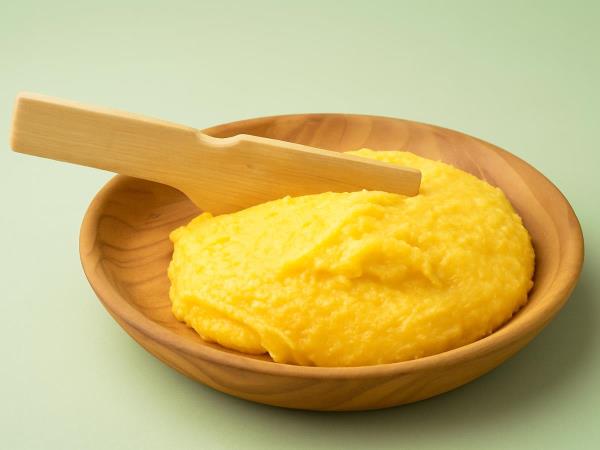


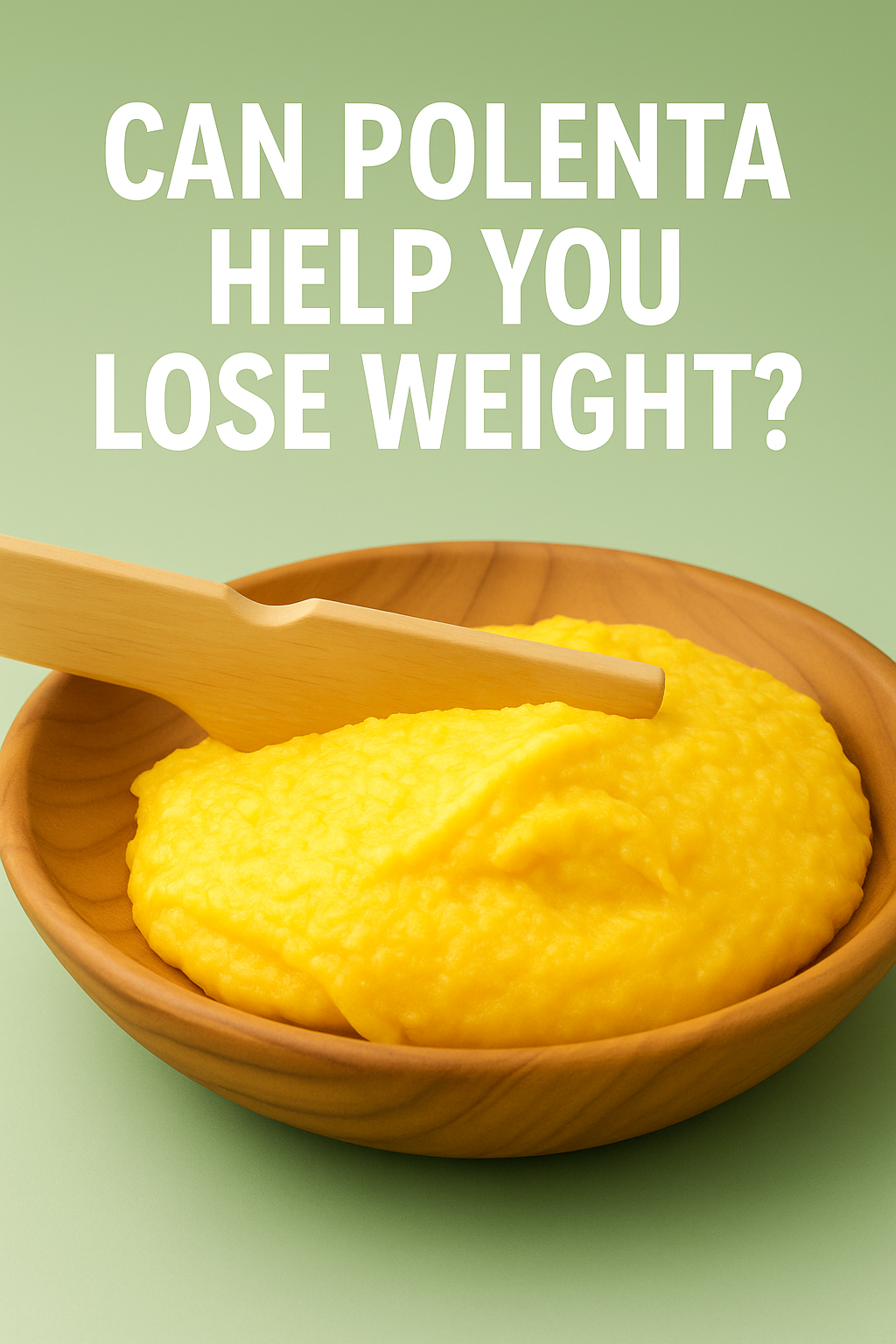


The Grandmother's Dish That Surprises: How 4 Days of Polenta Can Reset Your Menu
expert, nutritionist
There are foods that have been sitting right in front of us our whole lives, and yet we quietly underrate them. Polenta is one of them. Polenta in the Diet of Athletes? isn't just a catchy headline — it's the title of a piece that's been read by thousands on Foodwhisper.com, and for good reason.
Even celebrated home cooks agree. Food Network star Ina Garten has called her creamy Parmesan polenta her personal "go-to comfort food," the dish she reaches for on cold winter nights (Tasting Table). Of course, Garten's version leans on butter, crème fra{-15442}che and cheese — this article looks at the other side of polenta: the lean, simple version your own grandmother probably made.
A reader who decided to simplify her diet after the New Year shared her own experience with us: "I couldn't justify spending money on expensive ready-made meals, so I thought back to the polenta my mother always used to cook." After four days, she said she felt lighter, her digestion felt more regular, and she was noticeably less hungry between meals.
Why Does Polenta Actually Help With Weight Management?
Polenta is made by slowly cooking coarse cornmeal, and it belongs to a category of traditional European dishes that have unfairly fallen out of everyday cooking. Its usefulness for weight management comes down to two things: a low calorie density and a relatively high fiber content.
Cooked polenta comes in at roughly 70 calories per 100 grams. According to the U.S. Department of Agriculture's FoodData Central, a cup of dry cornmeal provides a meaningful share of the recommended daily fiber intake for relatively few calories.
Here's what that fiber does inside your body: it absorbs water in the intestine, swells, and helps extend the feeling of fullness after a meal. Research summarized in Legumes That Melt Fat and Cleanse the Blood points to a similar mechanism — fiber-rich foods can reduce daily calorie intake by slowing digestion and helping regulate hunger hormones. In practice, that may translate into naturally eating a bit less at your next meal.
Corn is also a source of iron, magnesium and zinc — minerals the body relies on for everyday function. It also tends to have a comparatively low glycemic index and is naturally gluten-free, which is why it's often suggested as an alternative grain for people avoiding gluten (for general background on gluten-free eating patterns, see the Celiac Disease Foundation's guide to gluten-free foods).
A detail food-science fans will appreciate: cooked polenta that's been cooled tends to develop more resistant starch than the same portion eaten hot and fresh. Foodwhisper has covered this same phenomenon in other foods — from wrinkled peas and their effect on blood sugar stability to how cooling and reheating rice raises its resistant starch content. Resistant starch isn't digested in the small intestine the way regular starch is — instead it travels to the large intestine, where it can feed beneficial gut bacteria. That means polenta prepared ahead of time and eaten chilled or gently reheated may be an even gut-friendlier option.
One important caveat: the CDC's guidance on healthy weight loss notes that losing weight gradually — generally no more than about 1 to 2 pounds (roughly 0.5–1 kg) per week — tends to be far more sustainable than rapid loss. A polenta-based menu isn't a miracle cure; think of it as one useful tool to fold into an otherwise varied, balanced diet.
The 4-Day Menu: Simple, Inexpensive, Practical
Thanks to its fiber content and low calorie density, this kind of menu can make it easier to land somewhat below your usual daily calorie needs without constant hunger. A common approach is to follow this pattern for 4 days, then return to your normal (portion-appropriate) eating for the following days.
Day 1
Breakfast: 100 g polenta, a cup of low-fat yogurt, and one cucumber.
Lunch: 100 g polenta, 50 g fresh cheese, and one medium tomato.
Dinner: 100 g polenta and a cup of kefir.
Day 2
Breakfast: 200 g polenta, a cup of low-fat yogurt, and one cucumber.
Lunch: 200 g polenta, 50 g fresh cheese, and one medium tomato.
Dinner: 100 g polenta and a cup of kefir.
Day 3
Breakfast: 200 g polenta, a cup of low-fat yogurt, and one cucumber.
Lunch: 200 g polenta, 50 g fresh cheese, and one medium tomato.
Dinner: 100 g polenta and a cup of kefir.
Day 4
Breakfast: 300 g polenta, a cup of low-fat yogurt, and one cucumber.
Lunch: 300 g polenta, 50 g fresh cheese, and one medium tomato.
Dinner: 200 g polenta and a cup of kefir.
Nutritionist's tip: the kefir and yogurt in this plan aren't there by accident. Both are fermented dairy foods that provide live cultures which may support a healthy gut microbiome — a foundation for good digestion and metabolism. As Foodwhisper's deep dive into yogurt notes, regularly consuming fermented dairy is linked to a healthier gut bacterial balance, though it's worth watching out for flavored yogurts loaded with added sugar. Polenta with milk or a cultured dairy side has been a traditional breakfast pairing in many European households long before anyone had heard the word "probiotic."
Quality Matters: Yellow Corn Is the Safer Bet
The one thing that genuinely matters here is the quality of the polenta itself. Look for organic yellow cornmeal — the yellow color is a visual cue that the corn carries a decent amount of carotenoids and was properly matured. Carotenoids are plant pigments that, according to general nutrition research, are associated with eye and skin health (see the National Institutes of Health's overview of vitamin A and carotenoids). White polenta isn't a bad choice either — it's just that with yellow polenta, quality is easier to judge at a glance.
Generations before us ate polenta regularly and didn't need expensive supplements to do it. It was a practical, affordable staple — a source of carbohydrates and natural fiber long before "superfoods" were a marketing category. It turns out they were onto something.
Read Also on Foodwhisper.com
- Polenta in the Diet of Athletes?
- Legumes That Melt Fat and Cleanse the Blood
- Does Yogurt Really Work Miracles and Can It Also Harm You?
- Peas That Mendel Didn't Know as Medicine: The Wrinkled Variety Hides the Secret of Stable Blood Sugar
- Should We Avoid Fiber If We Suffer From Intestinal Inflammation?
Information on this website is for educational purposes only and is not medical advice.
expert, nutritionist
 Would you like to be informed about news on the website?









|

