




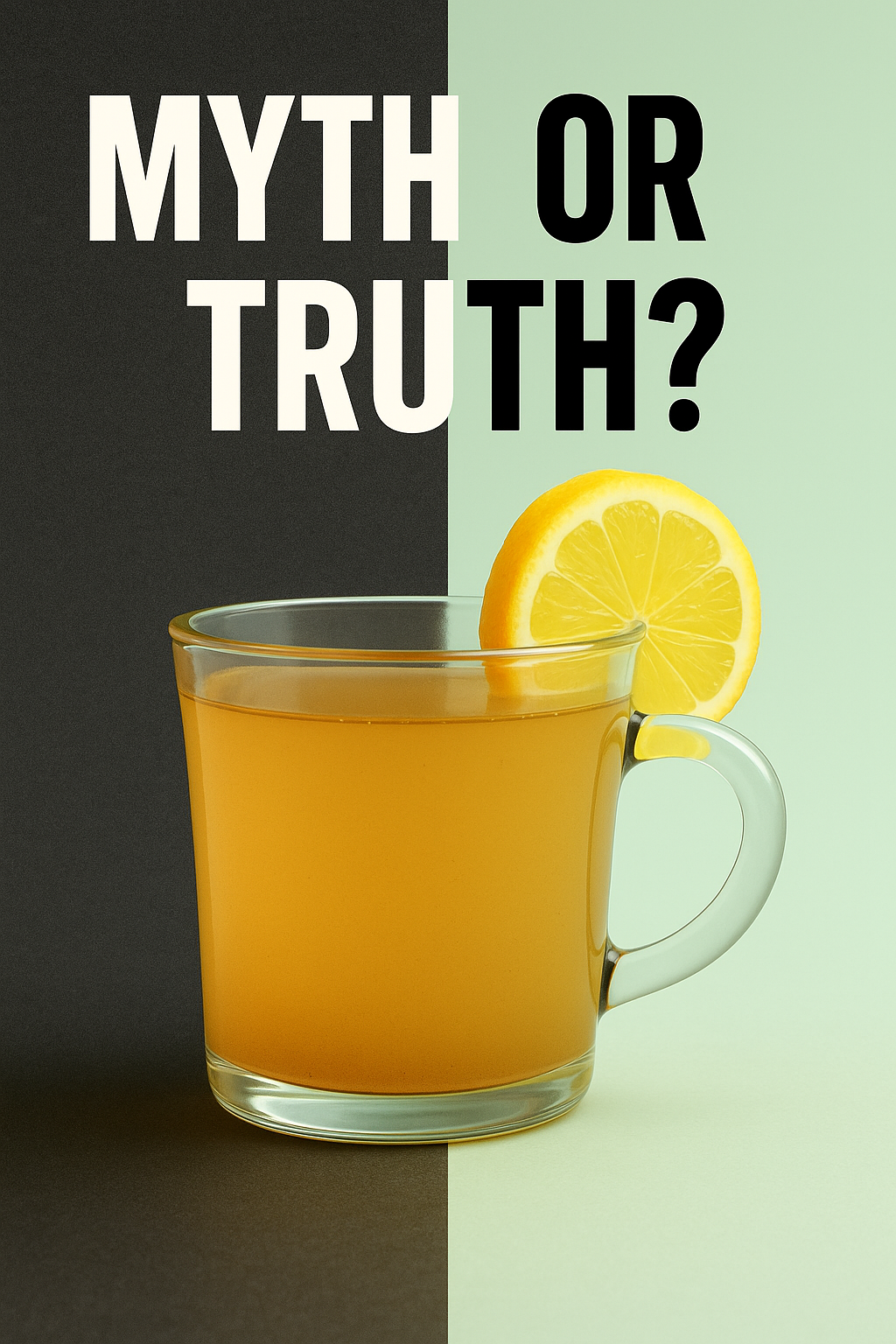


Two Minutes, Five Ingredients: The Morning Tonic People Say Supports Blood Sugar, Blood Pressure, and Healthy Fats
expert, nutritionist
Two minutes at the counter. Five ingredients most kitchens already have. That is the entire time investment behind a tangy little tonic that has quietly become a morning ritual for people hoping to support healthy blood sugar, blood pressure, and cholesterol — the very numbers most of us only start paying attention to once a doctor mentions them at a checkup.
It is not just home cooks talking about it, either. Actress Jennifer Aniston has said in interviews that she starts nearly every day the same way: a small shot of apple cider vinegar before anything else touches her stomach, followed by a scoop of collagen. She is far from alone — several other well-known names have described similar morning habits over the years. Of course, a celebrity routine is not a clinical trial, and what works for one person's lifestyle will not automatically work the same way for everyone else.
So what is actually in this drink, and is there anything behind the buzz?
How to Make the Tonic
- 1 heaped teaspoon of cinnamon
- 2 tablespoons of apple cider vinegar
- Juice of half a lemon
- 1 tablespoon of honey
- 1/2 liter (about 2 cups) of water
Preparation: It really is this simple. Combine all the ingredients in one container and stir well — about two minutes should be enough for the honey to dissolve completely into the mixture.
What Each Ingredient May Bring to the Table
Apple cider vinegar is the backbone of the drink, and it is also the most-studied ingredient here. According to Harvard Health Publishing, the acetic acid in apple cider vinegar appears to slow the breakdown of starches and slow digestion, which can create a feeling of fullness — one reason it is often linked to appetite control. Harvard also notes that in one small study, the reduction in morning blood sugar after drinking two tablespoons of vinegar the night before was measurable, but quite modest. In other words: a gentle nudge, not a dramatic swing.
Cinnamon carries its own reputation as a blood-sugar-friendly spice, and Foodwhisper has looked at this before — see The Energy of Seven Juices for a Better Thyroid, where cinnamon's anti-inflammatory properties are discussed alongside its effect on blood insulin. That said, the official word from the National Center for Complementary and Integrative Health (NCCIH) is more cautious: research on cinnamon and diabetes is hard to interpret because studies often do not specify which cinnamon species was used, and NCCIH concludes the science does not yet clearly support using cinnamon for any specific health condition. A more detailed narrative review published via the National Library of Medicine reached a similar middle-ground conclusion: cinnamon supplements added to standard treatment showed only modest effects on blood sugar markers, and existing medical guidance for diabetes management should still come first.
Lemon and honey round out the mix, adding vitamin C, antioxidants, and a natural sweetness that makes the tonic far easier to drink than straight vinegar. Foodwhisper's own Old German Recipe with Boiled Lemon Water touches on a similar tradition, describing a lemon-based drink long used in folk practice and associated by some with supporting healthy cholesterol levels — again, a traditional use rather than a settled medical fact.
As for the "diuretic" effect people often mention — a mild increase in how much fluid the body processes — this is a real and generally harmless property of drinks like this, though it is more about temporary water balance than any deep "detox," a term that does not have a precise medical meaning.
A Small Habit, Not a Cure
It is worth keeping some perspective here. Diabetes and high blood pressure affect an enormous number of people worldwide — the World Health Organization reports that the number of adults living with diabetes rose from 200 million in 1990 to 830 million in 2022, and more than half of those with diabetes were not on medication for it. Numbers like these are exactly why so many people look for small, everyday habits that might tip the scales in their favor — but they are also a reminder that a home remedy, however pleasant, works best as a complement to medical care, not a replacement for it.
If you already take medication for blood sugar, blood pressure, or are pregnant or breastfeeding, it is worth checking with your doctor before making this a daily habit, since vinegar and cinnamon can interact with certain treatments.
With that in mind, this tonic is a genuinely pleasant, low-effort ritual: two minutes of stirring for a tangy, slightly sweet drink that many people say leaves them feeling refreshed, a bit like a lighter, more natural alternative to an energy drink. Worth a try — just don't expect it to work miracles on its own.
Information on this website is for educational purposes only and is not medical advice.
expert, nutritionist
 Would you like to be informed about news on the website?















|

